
The Grand Canal with the Rialto Bridge from the South — History & Facts
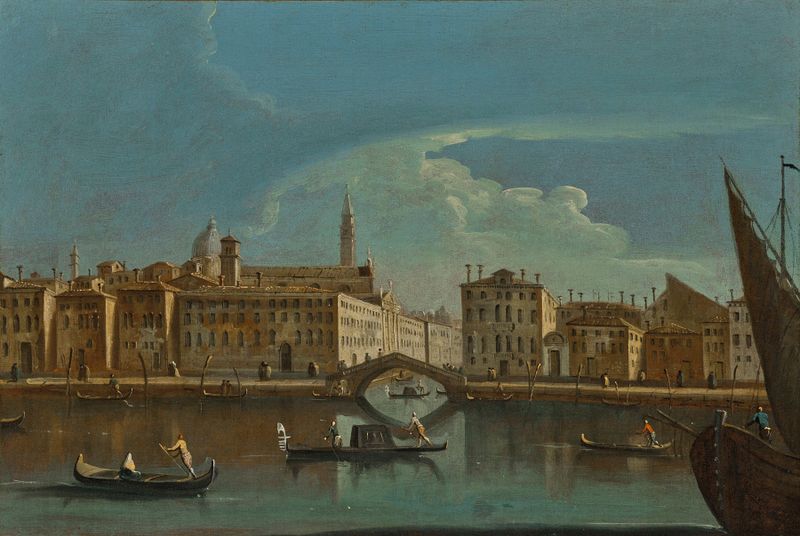
The stillness of the Grand Canal belies the undercurrents of turbulence that shape its essence. The serene waters, bordered by historic architecture, conceal stories of love, loss, and conflict, whispering of a deeper violence beneath the surface. Focus first on the luminous reflections that dance upon the canal’s surface, beckoning you to look closer. Notice how the soft light plays against the weathered façades of the buildings.
The Rialto Bridge stands proudly in the distance, an emblem of strength amid the gentle chaos of boats and figures that populate the scene. The palette of warm earthy tones juxtaposes the cool blues of the water, establishing a visual harmony that hints at an unspoken tension. As you explore further, consider the contrast between the placid water and the bustling life surrounding it. Each gondola gliding by carries its own narrative — a fleeting moment of joy or perhaps a sorrowful farewell.
The bridge, though a marvel of engineering, casts a shadow that suggests the weight of history, reminding us that beauty often coexists with violence. The silence enveloping the scene is not just peaceful; it is a charged quiet, where secrets linger just below the surface. Francesco Tironi likely painted this evocative scene during a time when Venice was grappling with significant shifts in its cultural and political landscape. While the exact date of this work remains uncertain, it emerged within a period marked by both artistic flourishing and the turbulence of societal change.
In creating this piece, Tironi captured not only the splendor of the city but also the deeper truths hidden beneath its picturesque veneer.
More Artworks by Francesco Tironi
Browse all →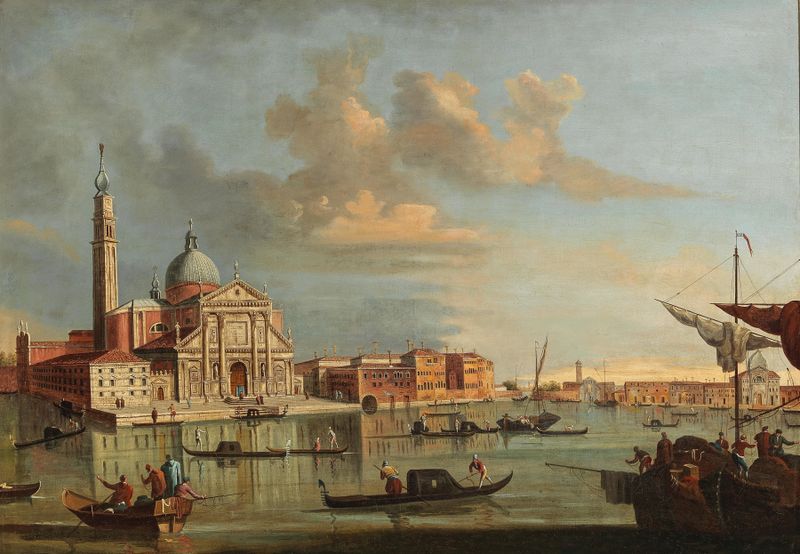
The Bacino di San Marco with San Giorgio Maggiore, Venice
Francesco Tironi
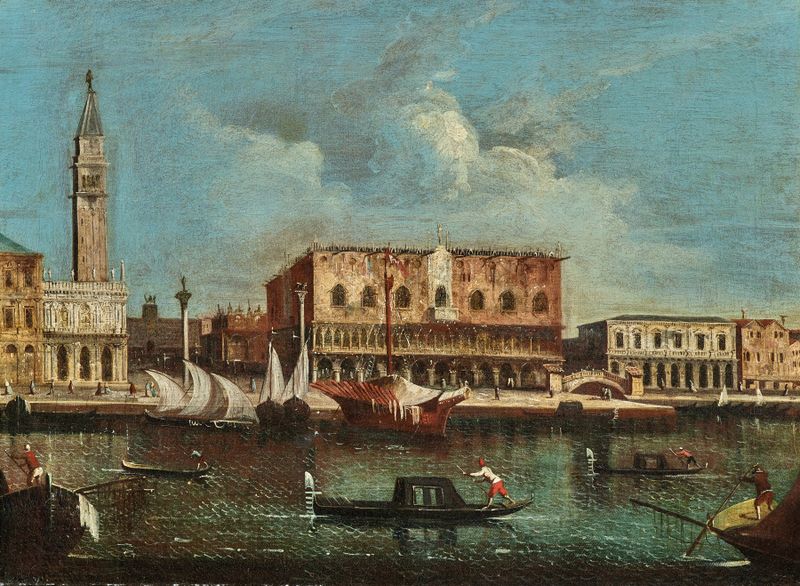
San Marco Basin, Venice
Francesco Tironi
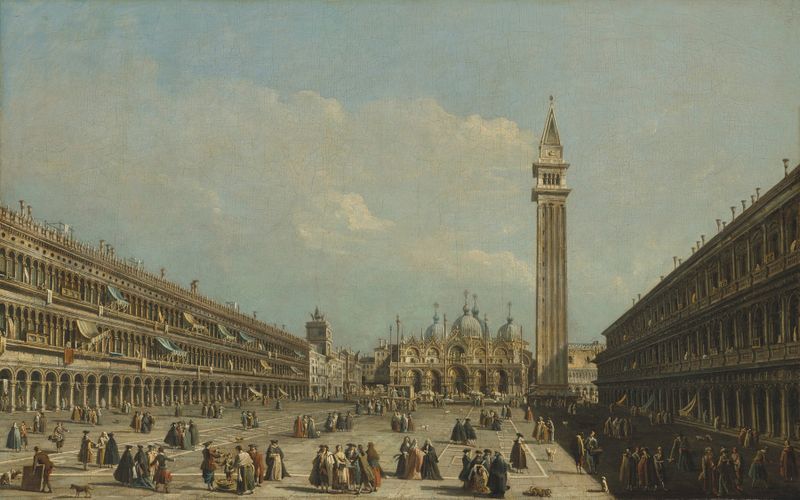
Saint Mark’s Square with the Basilica and the Campanile
Francesco Tironi
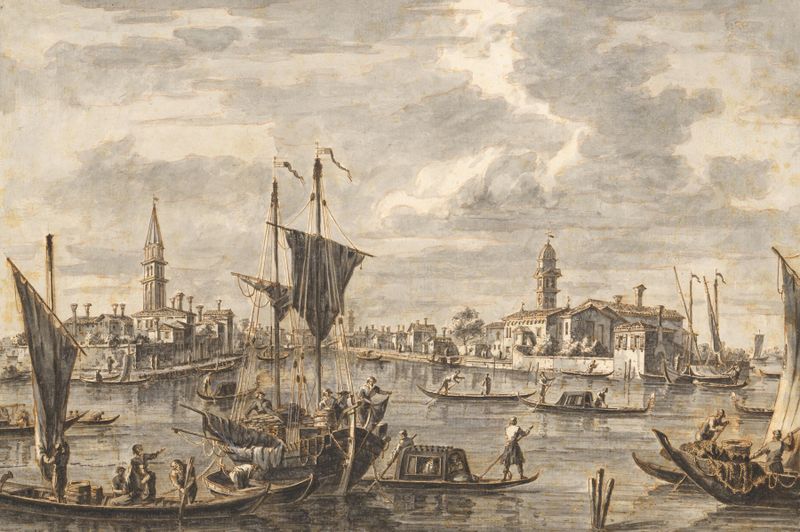
View of Mazzorbo
Francesco Tironi
A view of the Fondamente Nove with the Ponte dei Mendicanti, Venice
Francesco Tironi

View of the Island of San Giacomo in Paludo
Francesco Tironi





