The Granite Dish in the Berlin Lustgarten — History & Facts
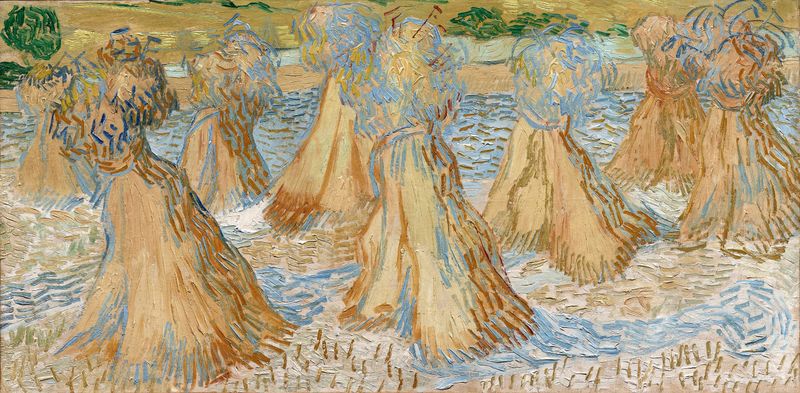
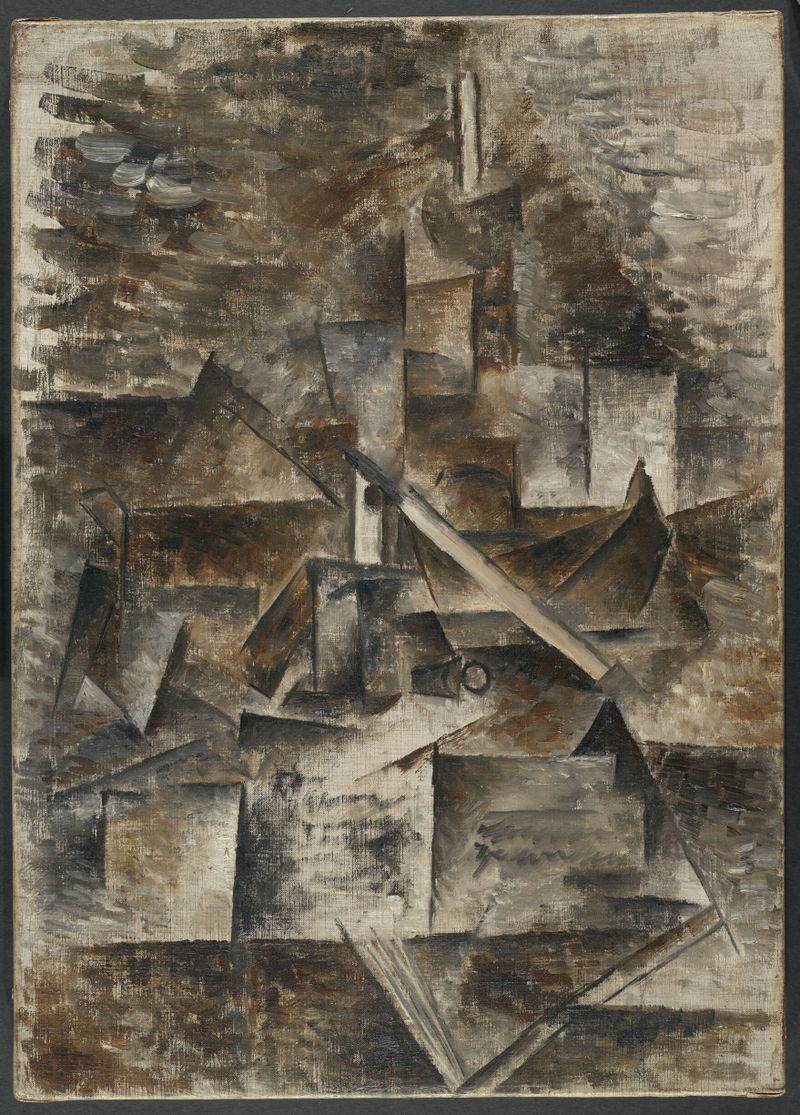
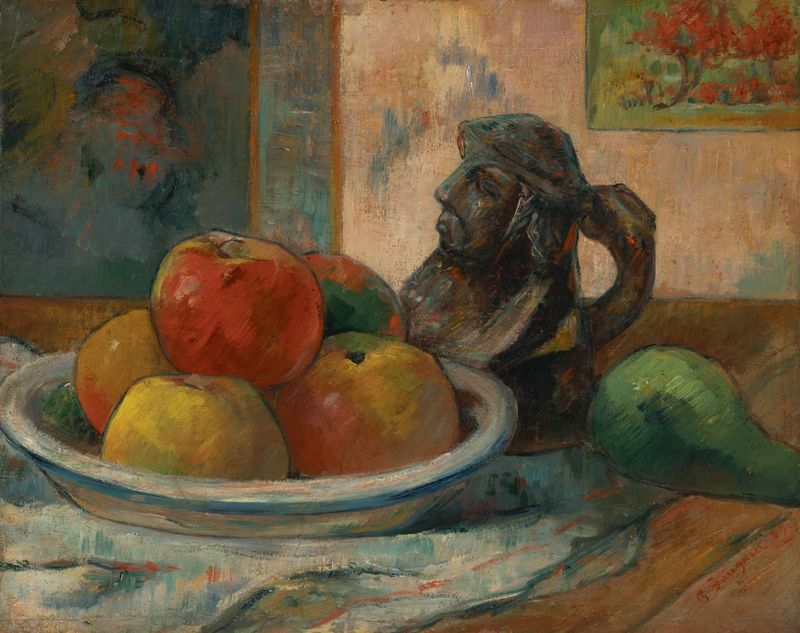
When did color learn to lie? The vibrant hues that adorn the canvas conceal more than they reveal, inviting introspection on the nature of perception and authenticity. Look closely at the focal point: the granite dish, stark yet alluring, sits confidently in the center. The interplay of shadow and light gives it a tantalizing gloss, suggesting both solidity and fragility. Surrounding it, soft pastels harmonize with deeper earth tones, creating a visual tension that draws the eye in exploring the contrasts of stability and transience.
Notice how the artist’s brushwork reflects a sense of delicate precision, accentuating the textured surface of the stone against the gentleness of the background. Beneath the surface lies a narrative of betrayal—a tension between the object’s permanence and the fleeting nature of beauty. The granite dish, seemingly unyielding, symbolizes an enduring truth, while the lively colors that envelop it offer a deceptive charm. This duality invites viewers to consider how appearances can mask deeper realities, prompting questions about authenticity in a world that often prioritizes aesthetics over truth. In 1831, while residing in Berlin, Hummel painted this piece during a transformative period for the art world, marked by burgeoning romanticism.
His works often reflected a keen interest in the natural world and the emotional resonance of objects, positioning him within a dynamic cultural landscape eager to explore deeper meanings. The era was rife with innovation, and this piece stands as a testament to his engagement with both materiality and the philosophical implications of art itself.