
The Great Gate of St. Augustine’s Monastery, Canterbury — History & Facts
When did color learn to lie? The interplay of light and shadow often conceals as much as it reveals, a dance between truth and illusion in the realm of art. Focus on the towering structure that commands attention: the Great Gate, its robust stonework a testament to both strength and the passage of time. Notice how the warm ochres and cool grays blend seamlessly, each hue telling a story of its own. The meticulous detailing invites your gaze upwards, where you can trace the ornate carvings that weave a narrative of devotion and history.
The gate stands not just as an entrance but as a frame for the sacred space beyond. At first glance, the imposing facade conveys permanence, yet the delicate play of light illuminates the textural contrasts that suggest fragility. Observe the voids between the stones—the gaps that hint at the absence of what once was. This duality of presence and absence speaks to the complex relationship between architecture and memory, evoking reflections on the passage of time and the erasure inherent in history. In 1757, while crafting this piece, the artist was immersed in a period marked by a burgeoning interest in the interplay of architecture and nature.
Living in England, he was surrounded by the burgeoning Romantic movement, which sought to reconnect art with emotional depth and historical context. Amidst these shifts, the Great Gate of St. Augustine's Monastery emerges as a steadfast emblem of faith and endurance, capturing a moment where art serves both as a vessel of memory and a testament to human perseverance.
More Artworks by Jonathan Skelton
Browse all →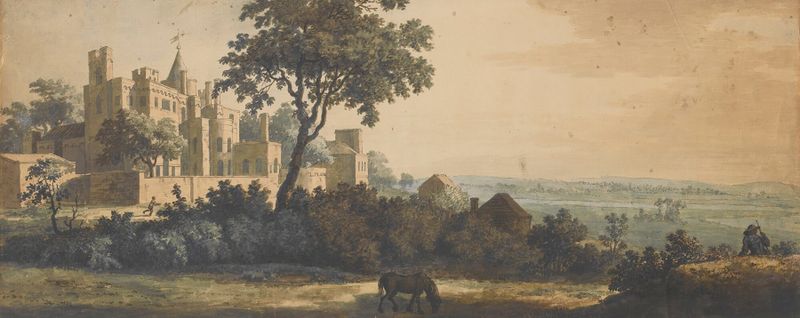
Lord Tyrawley’s House Upon Greenwich Hill
Jonathan Skelton
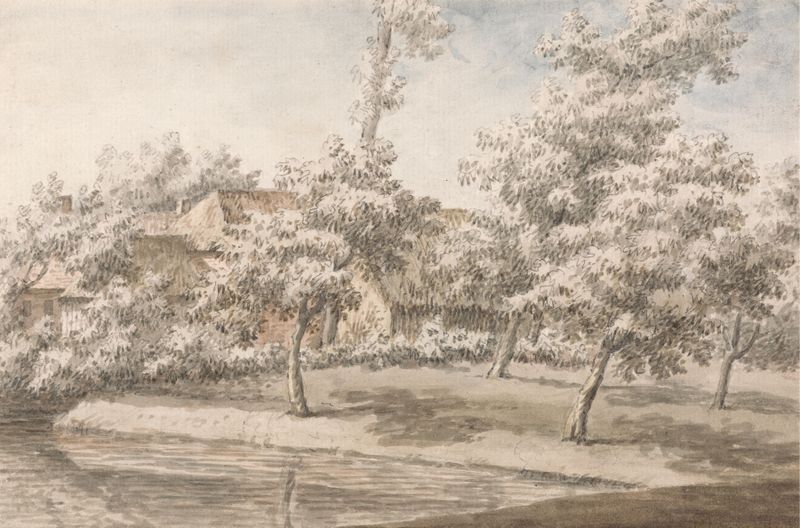
An Orchard by a Stream
Jonathan Skelton
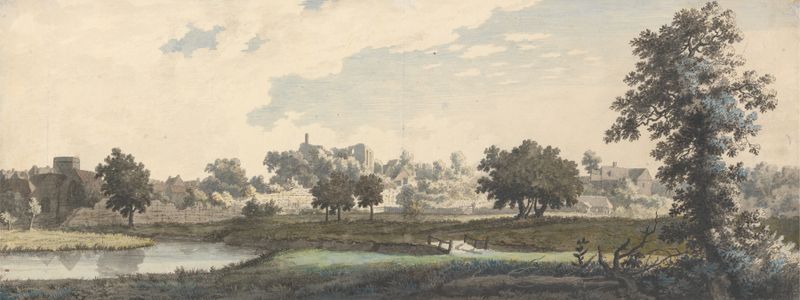
The River Stour, St. Mildred’s Church and the Castle of Canterbury
Jonathan Skelton
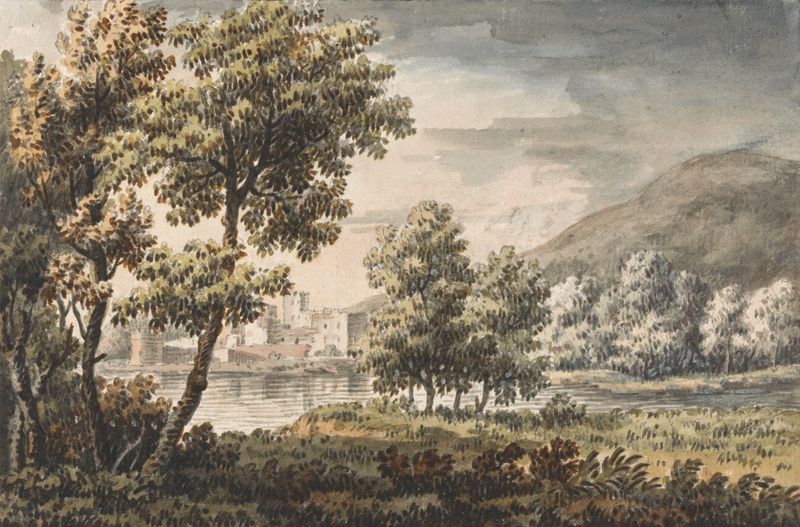
Classical Composition
Jonathan Skelton
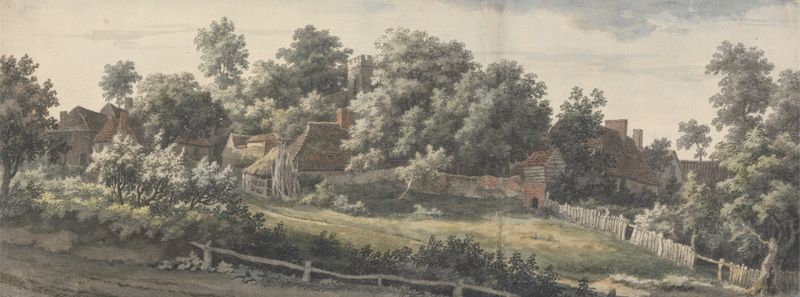
Harbledown, a Village near Canterbury
Jonathan Skelton
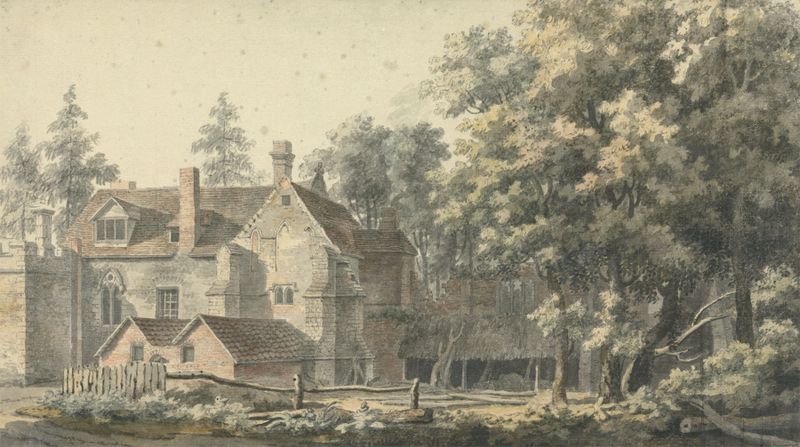
The Refectory, St. Augustine’s Monastery, Canterbury
Jonathan Skelton
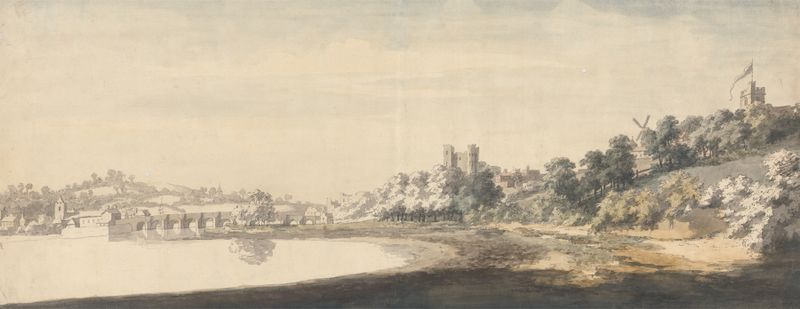
The Bridge and Castle at Rochester
Jonathan Skelton
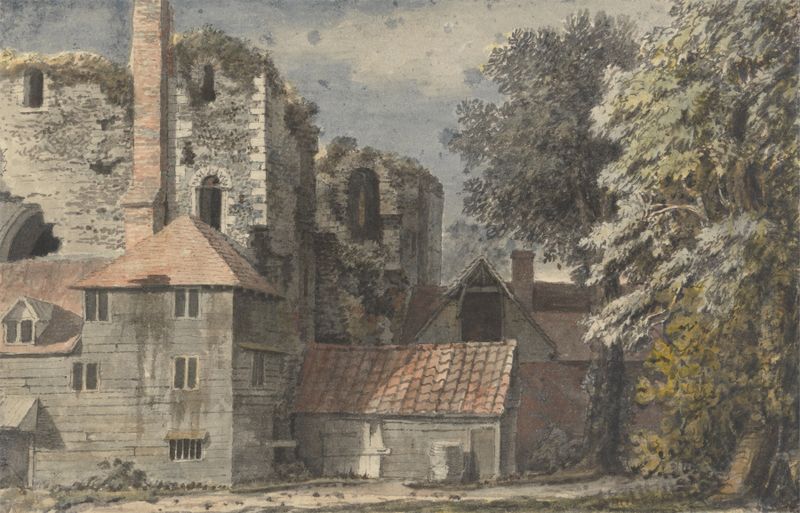
Canterbury Castle
Jonathan Skelton
More Architecture Art
Browse all →
The statue of Liberty
Frédéric Auguste Bartholdi

View of Houses in Delft, Known as ‘The Little Street’
Johannes Vermeer

View of Houses in Delft, Known as ‘The Little Street’
Johannes Vermeer

The Cathedral in Rouen. The portal, Grey Weather
Claude Monet

The yellow house
Vincent van Gogh

The Church in Auvers-sur-Oise, View from the Chevet
Vincent van Gogh