The Hornet (U.S.) and the Peacock (British) — History & Facts
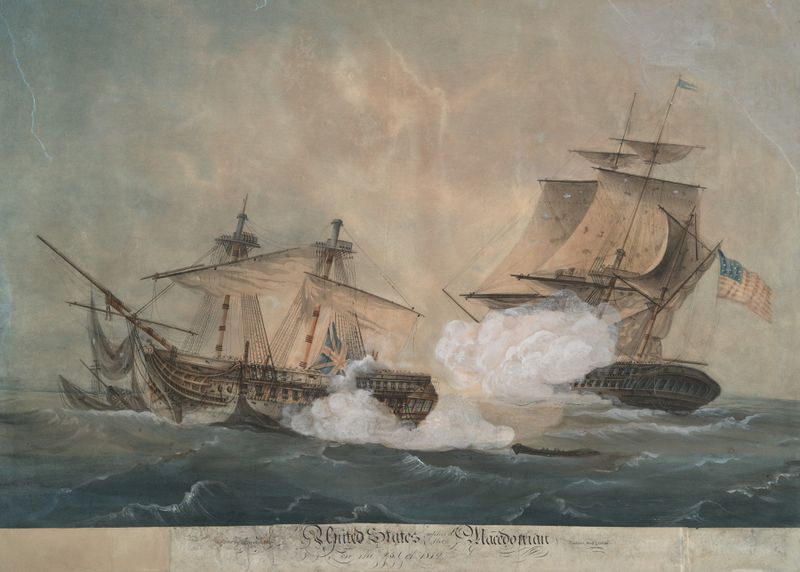
Where does light end, and longing begin? In the delicate interplay of color and form, the essence of desire unfurls, inviting us to explore the elusive boundaries of emotion and existence. Look to the center of the canvas where the hornet, fierce and purposeful, commands attention with its stark contrast against the soft, ethereal beauty of the peacock. Notice how the brilliant hues of the peacock's plumage shift and dance beneath the gentle light, creating a vibrant tapestry that almost pulsates with life. The intricate details of each feather, meticulously rendered, beckon viewers to draw closer, revealing a masterful technique that underscores the tension between nature's raw power and its delicate artistry. The juxtaposition of the hornet and the peacock evokes a profound emotional tension: one embodies ferocity and instinct, while the other represents grace and allure.
This contrast not only highlights the duality of desire—its capacity to ignite passion yet also instill fear—but also speaks to the complexity of life itself. Tiny flecks of gold in the hornet's wings suggest a fleeting beauty that mirrors our own fleeting desires, while the peacock's proud display of feathers hints at the masks we wear in pursuit of admiration. In 1813, George Thresher painted this work during a period marked by burgeoning Romanticism and a growing fascination with the natural world. Living in the United States, he was influenced by both American and British artistic traditions, navigating a landscape ripe with exploration and discovery.
This artwork encapsulates a moment where personal longing meets universal themes, signifying the artist's desire to bridge the divide between the known and the unknown.