The King of Thule — History & Facts
A shaft of golden light falls across the old king’s face, drawing your gaze to the cup he cradles with both hands—an object that seems to weigh as much as memory itself. The king’s eyes, rimmed with shadow, are fixed not on the feast before him but on the goblet, his grip tender and possessive. The richness of his robe and the solidity of his throne speak of power, yet the atmosphere is heavy with solitude.
Behind him, a youthful attendant hovers in the gloom, his presence more ghostly than real, as if the world beyond the king’s private sorrow has faded into irrelevance. The drama is not in action, but in the charged stillness: the king’s inward gaze, the hush that hangs between the living and the lost. Painted in 1838 by Ary Scheffer, this work belongs to a world where Romanticism was reshaping the language of art. Artists and poets of the period often turned to legend and ballad—like Goethe’s tale of the King of Thule—for subjects that could express the depths of human feeling.
Such paintings were favored by collectors eager to display both refinement and sensibility, and were often shown in salons or private galleries. The King of Thule now resides in the Dordrechts Museum, a reminder of the era’s fascination with melancholy kings and the objects that outlast love. The story lingers in the shadows and the gold, inviting you to wonder what the king remembers as he lifts the cup.
More Artworks by Ary Scheffer

Princess Marie d'Orléans in Her Studio
Ary Scheffer
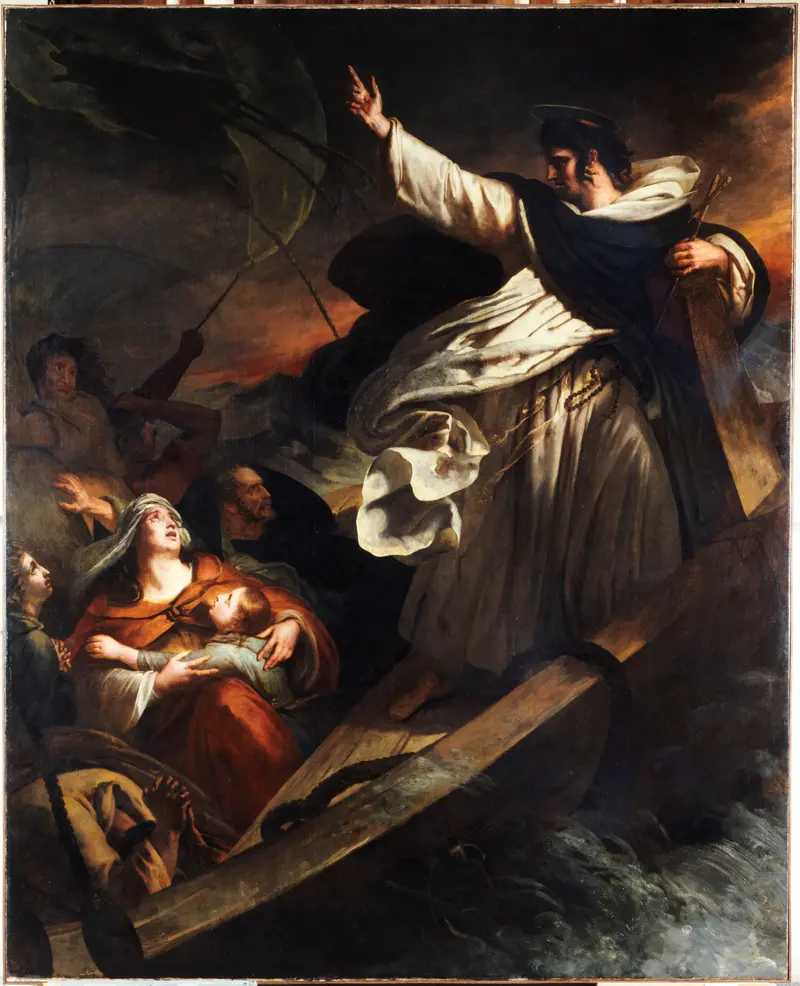
Saint Thomas d'Aquin prêchant la confiance en Dieu pendant la tempête
Ary Scheffer
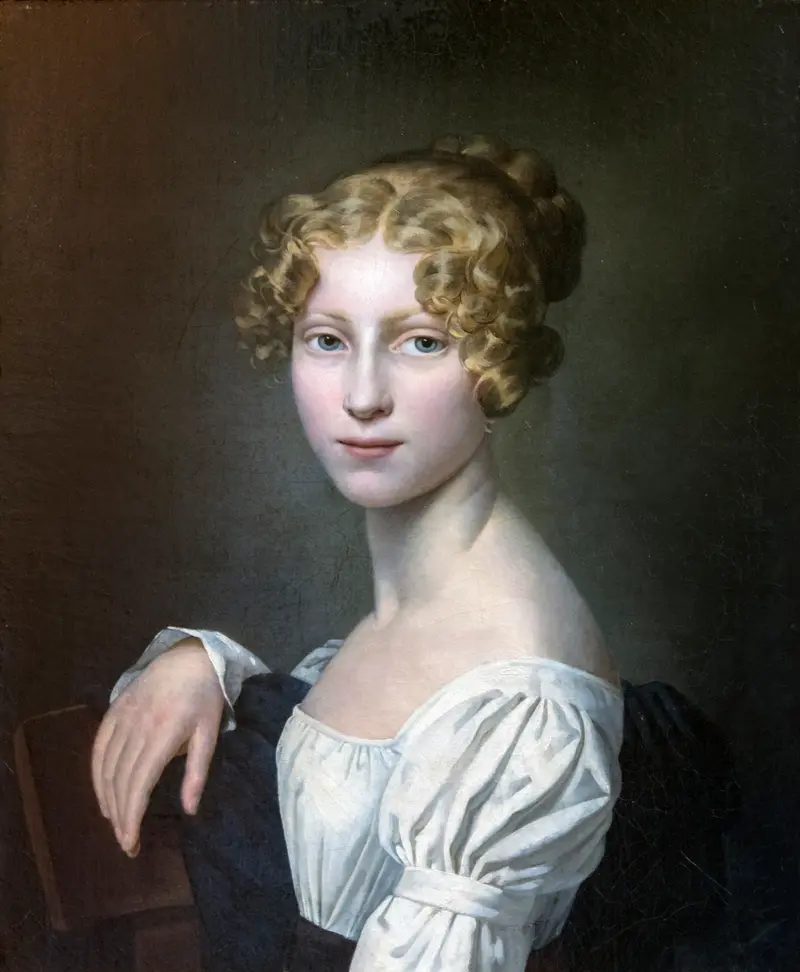
Pauline de Rémusat par Ary Scheffer
Ary Scheffer
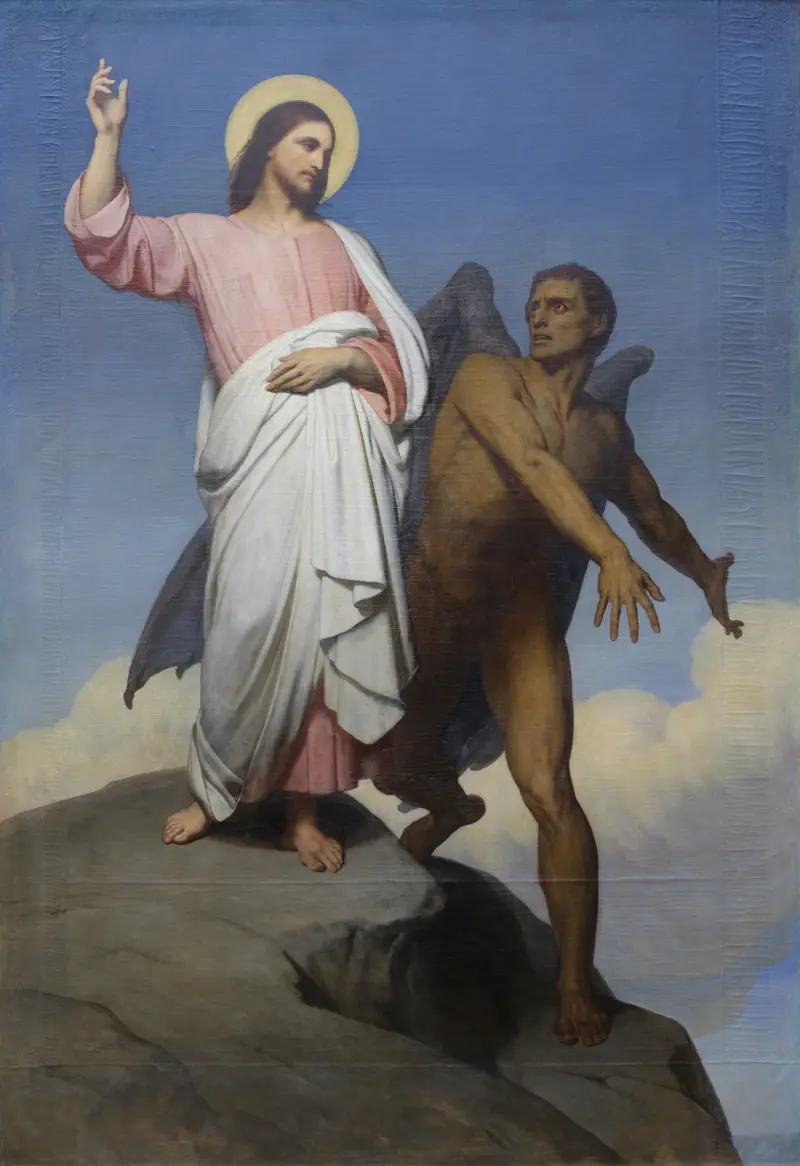
La Tentation du Christ Musée du Louvre Peintures MI 285
Ary Scheffer
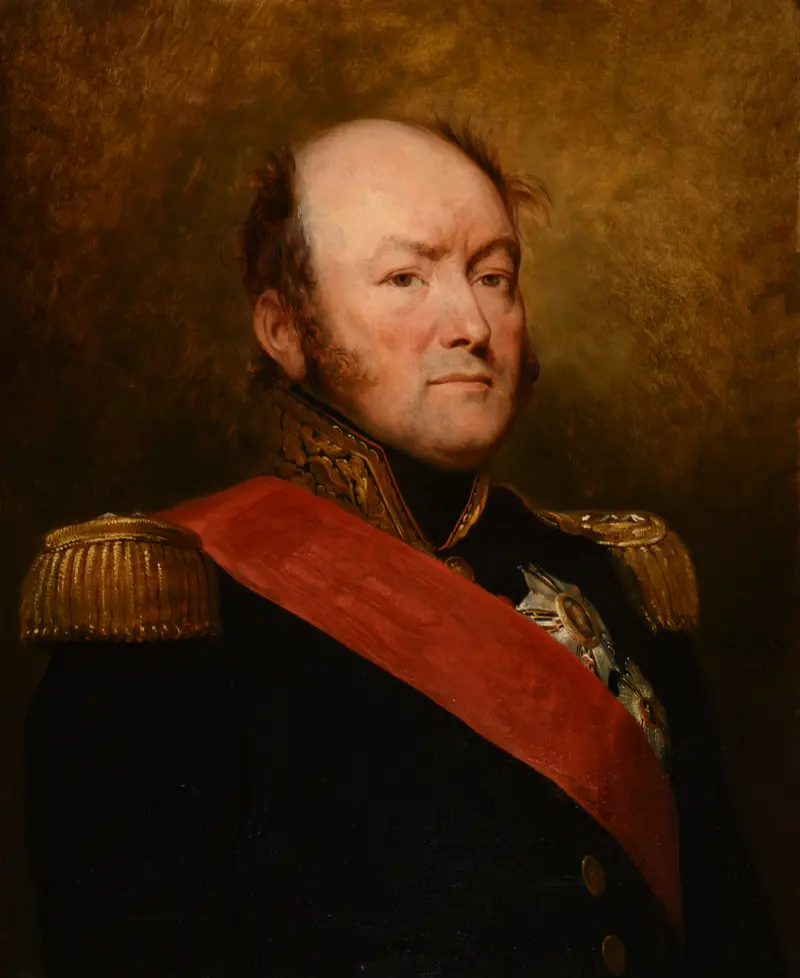
Comte Drouet d'Erlon
Ary Scheffer
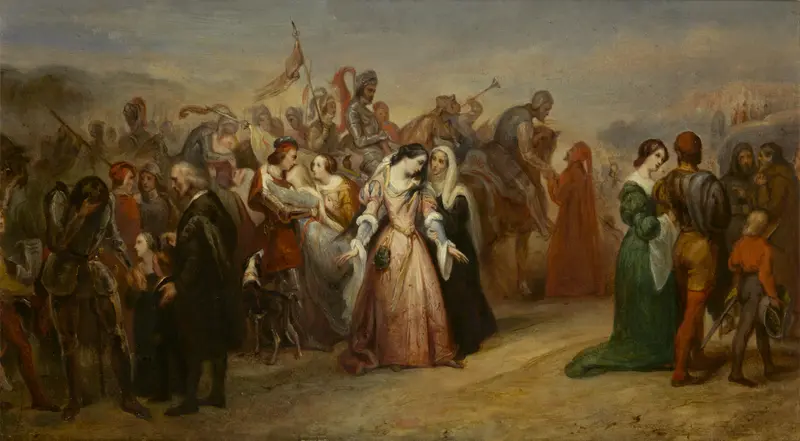
Lenore - de terugkeer van het leger
Ary Scheffer
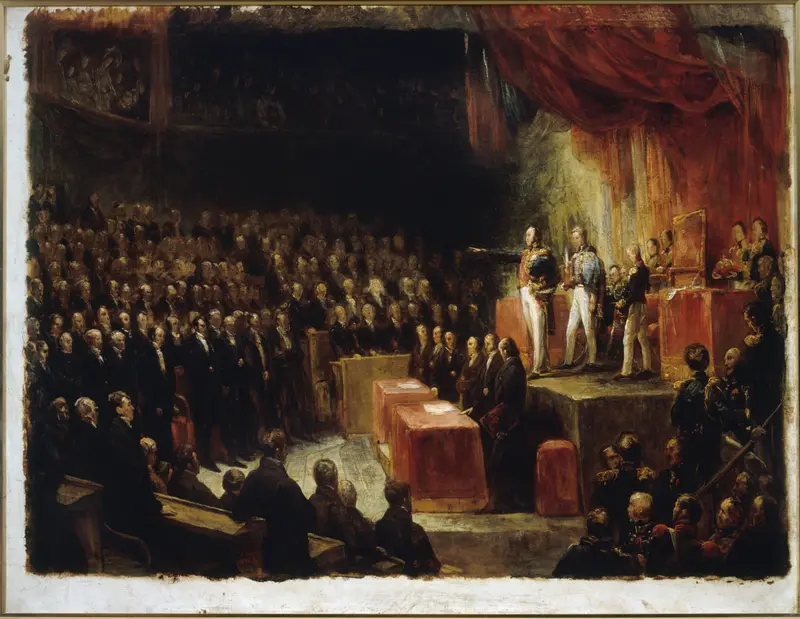
Louis Philippe prêtant serment devants les chambres, le 9 août 1830 P1537 Musée Carnavalet
Ary Scheffer
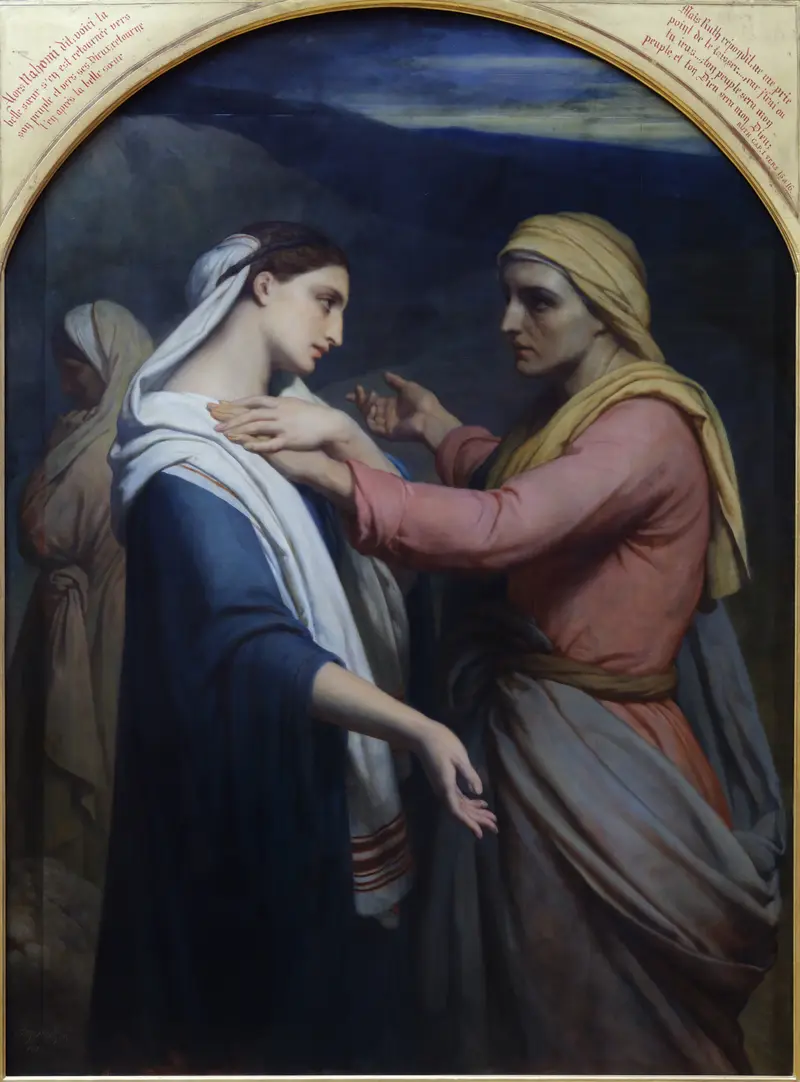
Ruth et Noémi Musée du Louvre Peintures RF 2013 4
Ary Scheffer

Figuur van een treurende engel DM S 70 Dordrechts Museum
Ary Scheffer
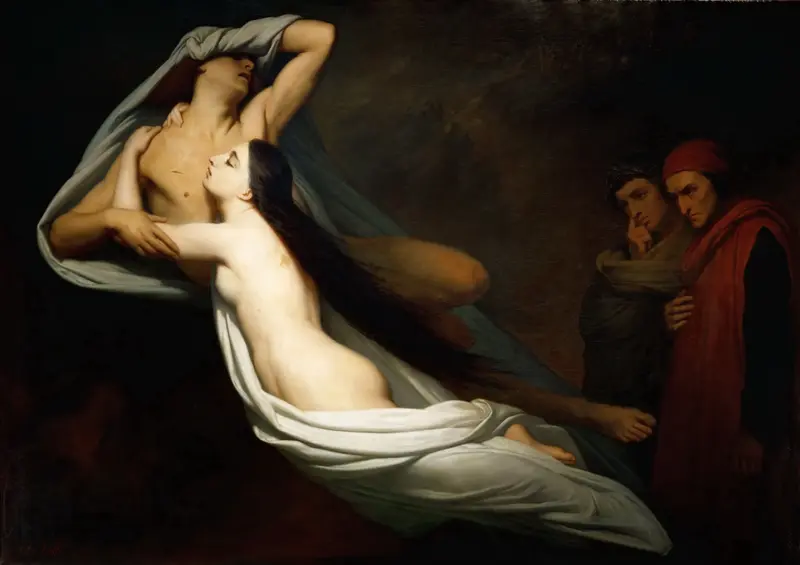
Francesca da Rimini and Paolo Malatesta appraised by Dante and Virgil
Ary Scheffer