
The Last Voyage of Henry Hudson — History & Facts
In The Last Voyage of Henry Hudson, John Collier presents a dramatic scene filled with dark, moody colors. The painting captures Hudson's ship surrounded by icy waters, with a sense of impending doom. Figures on the ship appear tense and focused, reflecting the gravity of their situation.
The sky is overcast, adding to the somber atmosphere of the moment. The painting is executed in oil on canvas, a medium that allows for rich textures and deep colors. Collier's brushwork is detailed, particularly in the depiction of the ship and the figures aboard. The composition is dynamic, drawing the viewer's eye towards the horizon where the icy waters meet the sky.
The use of light and shadow enhances the emotional weight of the scene. John Collier was known for his historical and literary subjects, and this work reflects his interest in exploration and adventure. Created around 1909, it serves as a commentary on the tragic fate of Hudson, who disappeared during his final voyage. Interestingly, Collier's portrayal emphasizes the human struggle against nature, a theme prevalent in many of his works.
This painting remains a significant example of Romanticism in art, highlighting the tension between man and the elements.
More Artworks by John Collier

Lilith
John Collier

Portrait of a lady, thought to be Mrs Geoffrey Pynam of Guildford
John Collier

Priestess of Delphi
John Collier
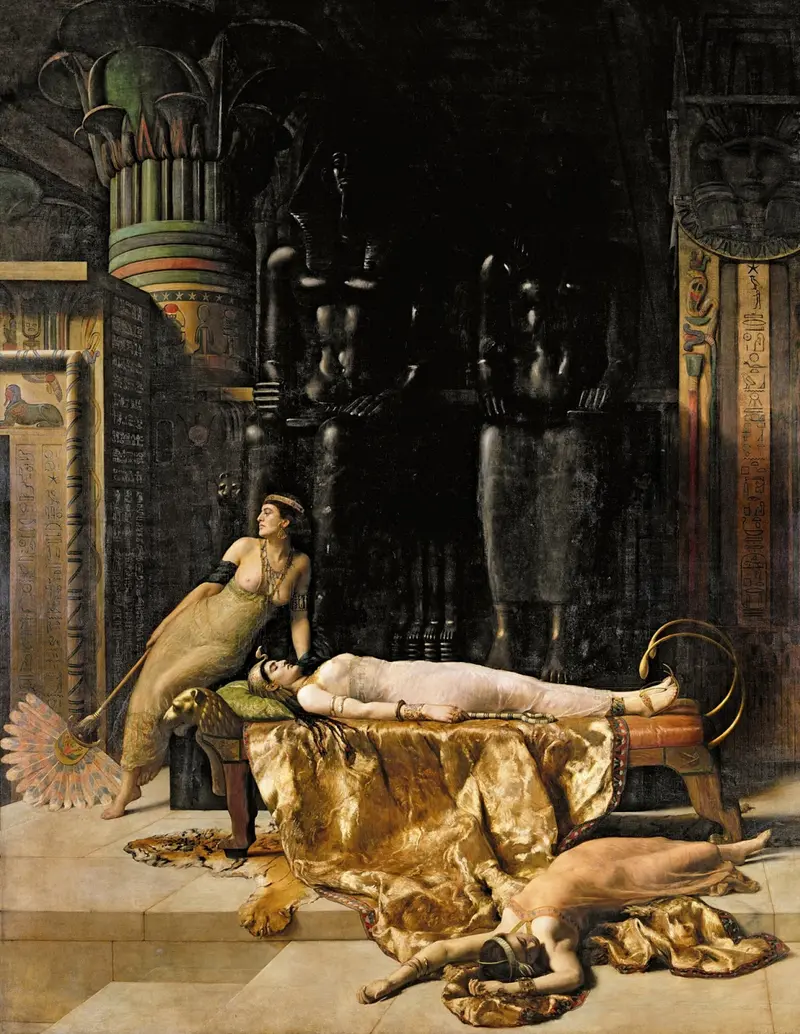
The Death of Cleopatra
John Collier

Karl Marx
John Collier

Eve
John Collier

Pope Urban VI
John Collier
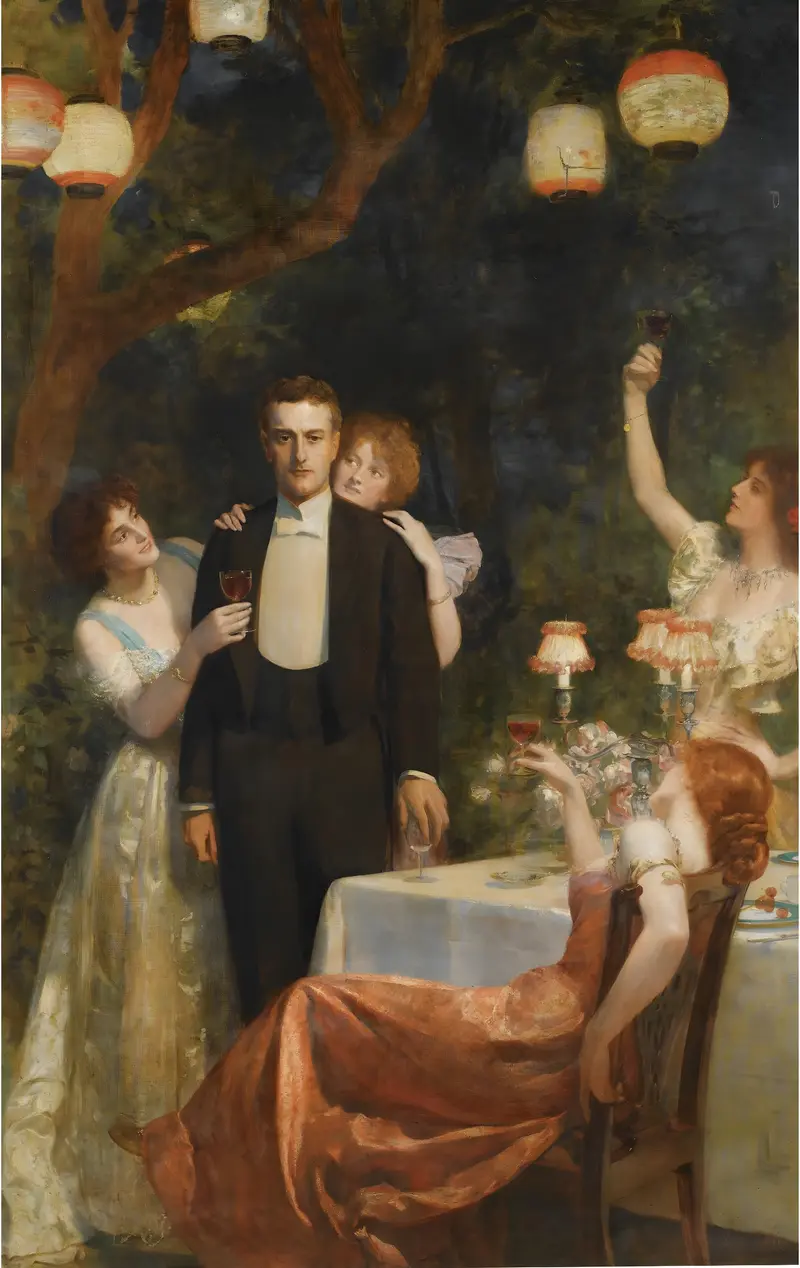
The Garden Of Armida
John Collier
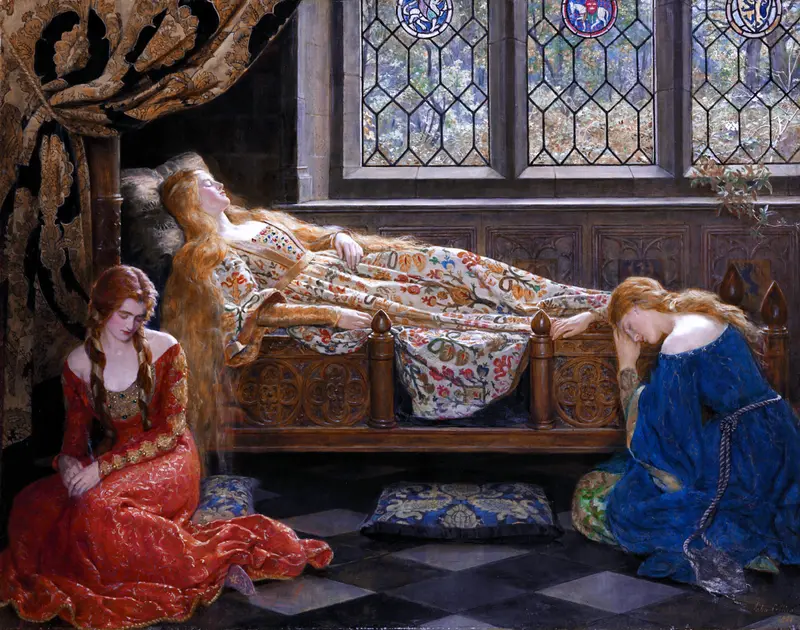
The Sleeping Beauty
John Collier

Portrait of George Bernard Shaw (1856-1950), Dramatist
John Collier





