
The Marque, Paris — History & Facts
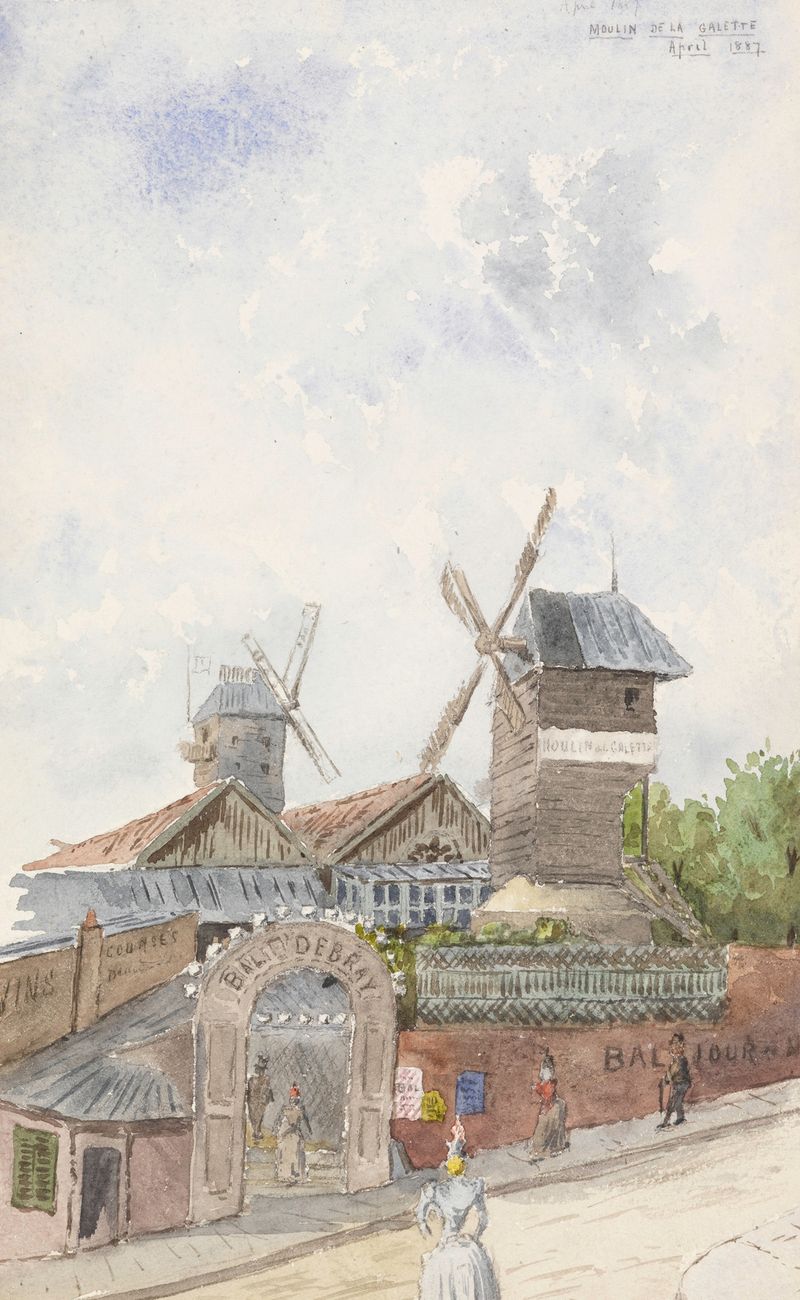
In the tapestry of artistic expression, light serves not merely as illumination but as a narrative force, shaping both the canvas and the viewer's experience. Focus your gaze on the interplay of light and shadow that dances across the scene, revealing the intricate architectural details of the marque. Notice how the golden hues cascade from the upper corners, casting a warm embrace over the bustling Parisian life below. The artist employs a delicate palette that blends soft pastels with deeper tones, creating a harmony that invites exploration while evoking a sense of nostalgia. Beneath the surface, the contrasts begin to emerge: the rigid lines of the architecture versus the fluidity of the pedestrians beneath it.
Each figure, vividly painted, embodies a moment suspended in time, their gestures suggestive of stories yet to be told. The luminous quality of the light not only highlights the beauty of the structure but also hints at the fleeting nature of life within the vibrant city—an eternal cycle of arrival and departure, presence and absence. Whitney Warren Jr. painted this work in 1887, during a time when Paris was a cultural epicenter, rife with innovation and artistic exploration.
The Impressionist movement was reshaping the art world, pushing boundaries and inviting new interpretations of the everyday. As Warren captured the elegance of this marque, he was also part of an era that celebrated the modern experience, blending the old with the new in a city alive with possibility.
More Artworks by Whitney Warren Jr.
Browse all →
More Architecture Art
Browse all →
The statue of Liberty
Frédéric Auguste Bartholdi

View of Houses in Delft, Known as ‘The Little Street’
Johannes Vermeer

View of Houses in Delft, Known as ‘The Little Street’
Johannes Vermeer

The Cathedral in Rouen. The portal, Grey Weather
Claude Monet

The yellow house
Vincent van Gogh

The Church in Auvers-sur-Oise, View from the Chevet
Vincent van Gogh