
The Murder of Lucinda — History & Facts
In The Murder of Lucinda, Robert Smirke presents a striking scene filled with tension. The colors are dark and moody, with deep reds and blacks dominating the canvas. Lucinda, the central figure, appears in distress, surrounded by ominous shadows.
The setting suggests a dramatic confrontation, heightening the emotional impact of the moment. The painting is executed in oil on canvas, a medium that allows for rich textures and deep colors. Smirke's brushwork is detailed, capturing the expressions and movements of the figures effectively. The composition draws the viewer's eye to Lucinda, emphasizing her plight.
This work exemplifies the Romantic style, focusing on emotion and dramatic narratives. Robert Smirke was known for his historical and literary themes in art. The Murder of Lucinda reflects the Romantic fascination with intense emotions and moral dilemmas. Interestingly, this painting was inspired by a narrative poem, showcasing the connection between literature and visual art.
Smirke's works often aimed to provoke thought and discussion about societal issues.
More Artworks by Robert Smirke

Hotspur and the Plotters at Bangor
Robert Smirke
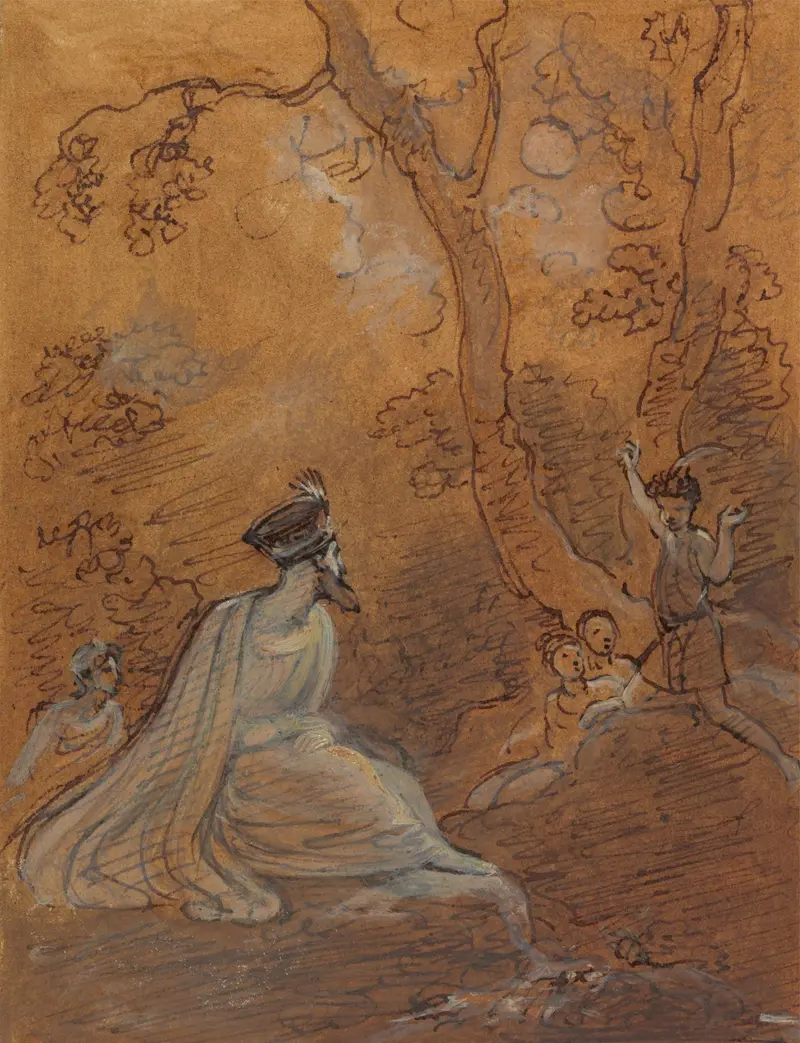
Oberon and Puck
Robert Smirke
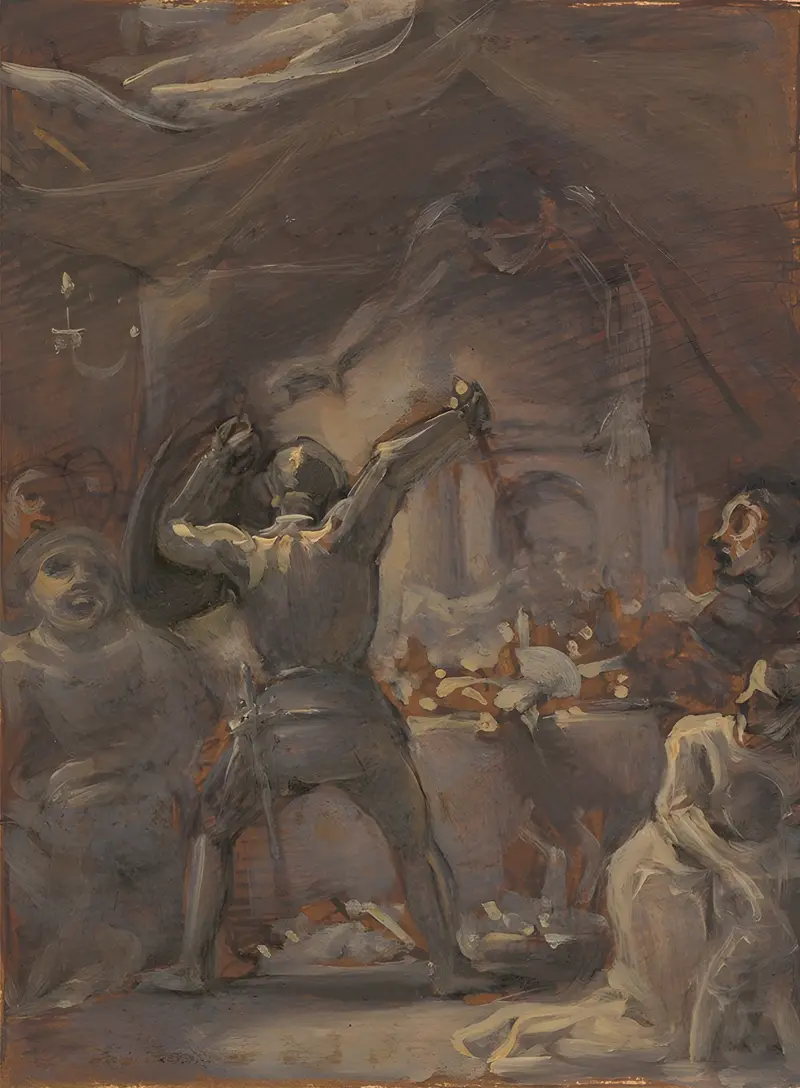
One from Illustrations to Shakespeare
Robert Smirke
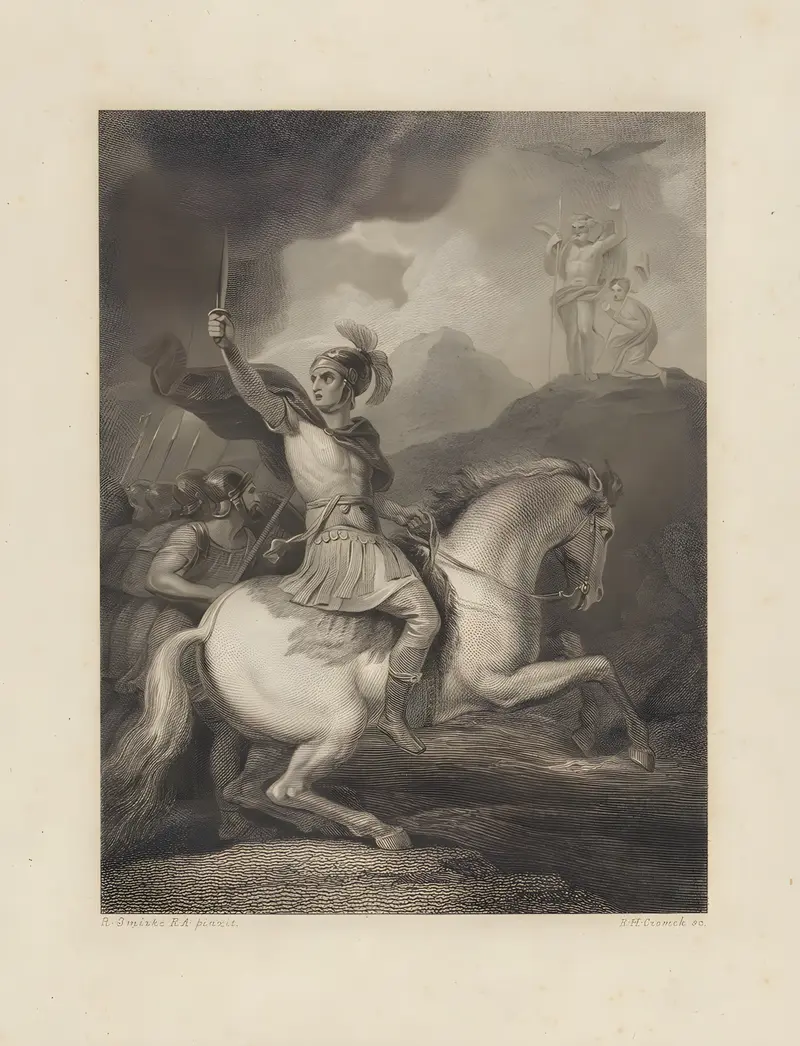
Cesar Passing the Rubicon
Robert Smirke
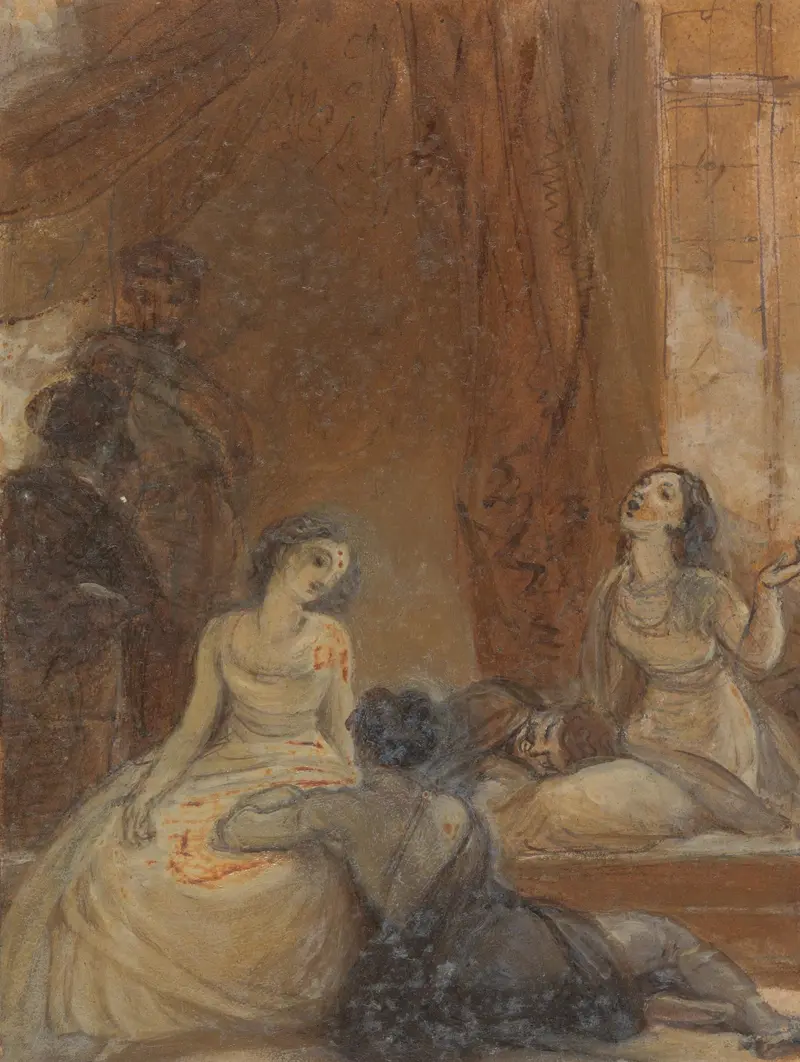
Lady Mortimer’s Welsh Song
Robert Smirke
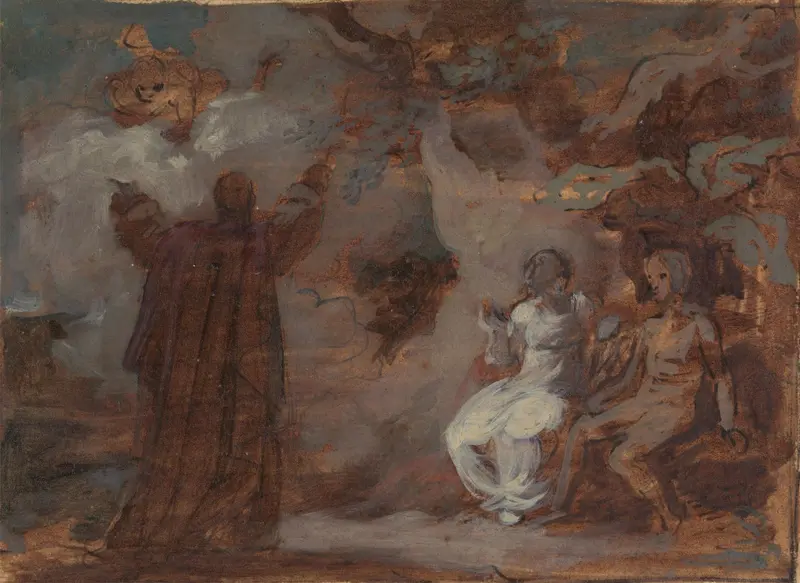
Prospero Conjuring a Masque for Ferdinand and Miranda
Robert Smirke

Master William Page and Sir Hugh Evans
Robert Smirke
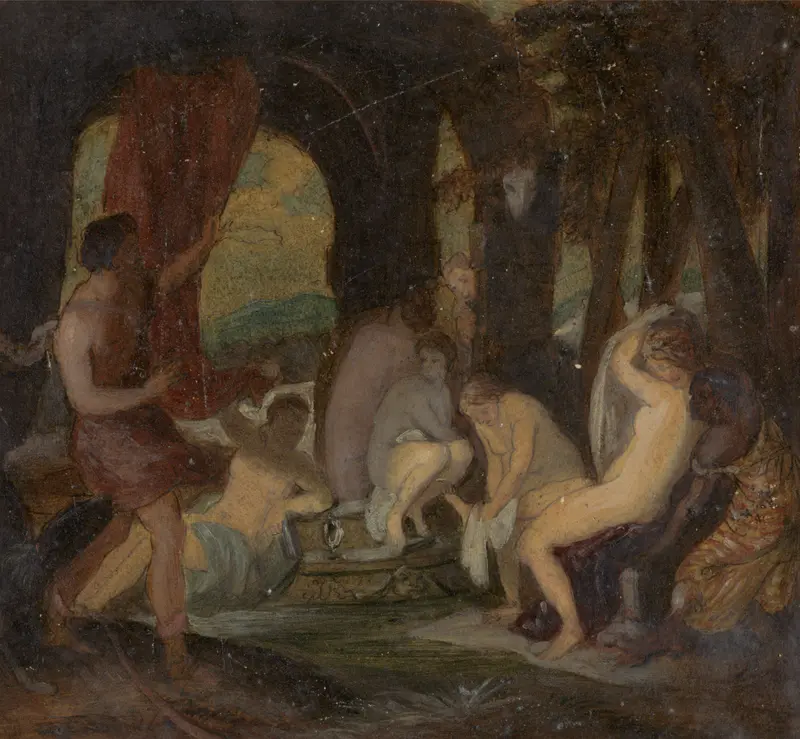
Diana and Actaeon
Robert Smirke
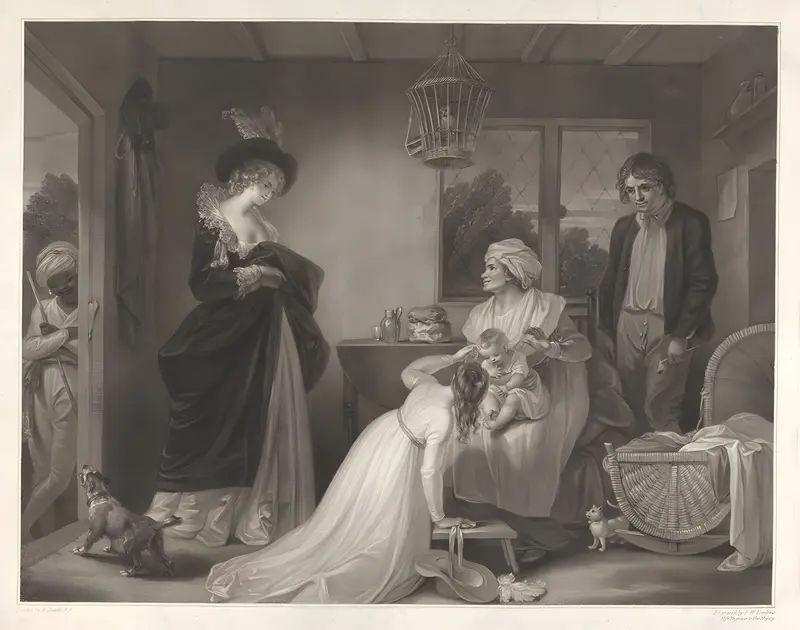
As You Like It; Act II, Scene VII; The Seven Ages Man (First Age)
Robert Smirke

As You Like It; Act II, Scene VII; The Seven Ages Man (Third Age)
Robert Smirke





