The Nile — History & Facts
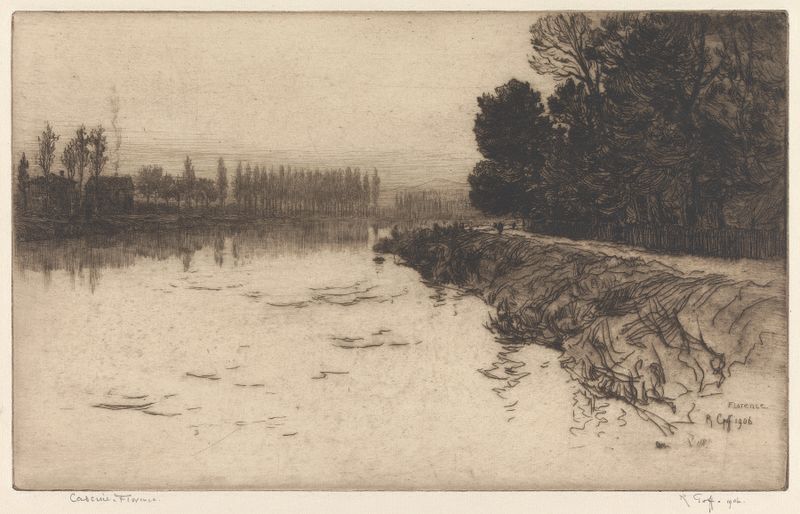
In the stillness of The Nile, an unspoken tension lingers beneath the vibrant strokes, hinting at the betrayal that accompanies beauty. Look to the left at the lush greens of the riverbanks, where brushstrokes fluidly blend. The deep blues of the water reflect a thousand hues, capturing the essence of life along the Nile. Notice how the warm sunlight dances upon the water’s surface, creating a contrast between light and shadow that hints at hidden depths.
This masterful use of color and texture invites the viewer into a world caught between peace and turmoil. Yet, there is an underlying narrative that transcends the beauty of the scene. The juxtaposition of the serene landscape against the ominous, shadowy undercurrents reflects personal and political betrayals of the time. While the river embodies sustenance and life, it also whispers of secrets and loss, suggesting that beneath the tranquility lies a turbulence unacknowledged.
The vibrant colors may captivate, yet they mask a darker reality that calls for deeper exploration. Goff painted The Nile in 1897, during a period when he was living in Egypt, immersed in the landscapes that would inspire much of his work. At this time, the world of art was transitioning, with the Impressionist movement influencing many artists to explore light and color more fully. Goff's journey not only reflects his personal experiences but also mirrors the complexities of a society grappling with change and the unspoken truths of betrayal that often accompany it.