
The Passage through Krokkleven near Ringerike in Norway — History & Facts
Art reveals the soul when the world turns away. In moments of solitude and isolation, the canvas breathes life into the unseen struggles that bind us to our innermost selves. Look to the left at the jagged cliffs rising sharply against the sky, their dark, rocky surfaces contrasted by the soft, muted blues of the water below. Notice how the sunlight delicately spills across the landscape, weaving through the trees and illuminating the path that beckons into the distance.
This interplay of light and shadow captures a moment suspended in time, drawing the eye toward the narrow passage that invites exploration yet evokes a sense of trepidation. Within the scene, a feeling of loneliness pervades, amplified by the absence of figures that would typically animate such a place. The winding path, though promising adventure, hints at isolation—an invitation to venture into the unknown, where the solitude of nature engulfs the traveler. The calm waters reflect not only the surrounding landscape but also the internal reflections of anyone brave enough to traverse these rugged terrains, highlighting both beauty and desolation. Created between 1788 and 1789, the work reflects Erik Pauelsen's engagement with the Romantic ideals emerging in art during this era.
Living in Norway, he was influenced by the stark landscapes around him and the growing fascination with nature's majesty, which resonated throughout Europe. During this period, artists were beginning to break away from classicism, exploring more personal and emotional subjects, paving the way for the expressive forms that would define the 19th century.
More Artworks by Erik Pauelsen
Browse all →
View of Bogstad in Norway
Erik Pauelsen

View of the Manor of Dronninggaard across Lake Fure, North Zealand
Erik Pauelsen

The Sarpfossen in Norway
Erik Pauelsen
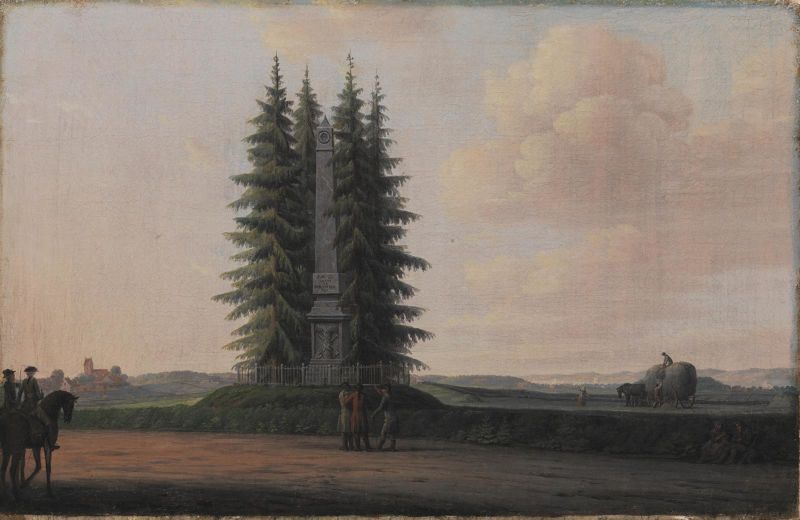
Æresstøtten for JHE Bernstorff på Gentofte Bakker
Erik Pauelsen
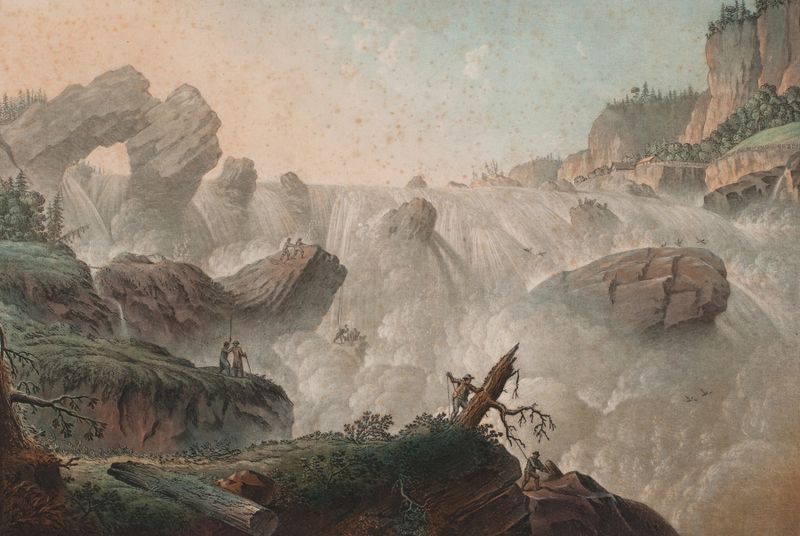
Hoffossen på Ringeriket
Erik Pauelsen
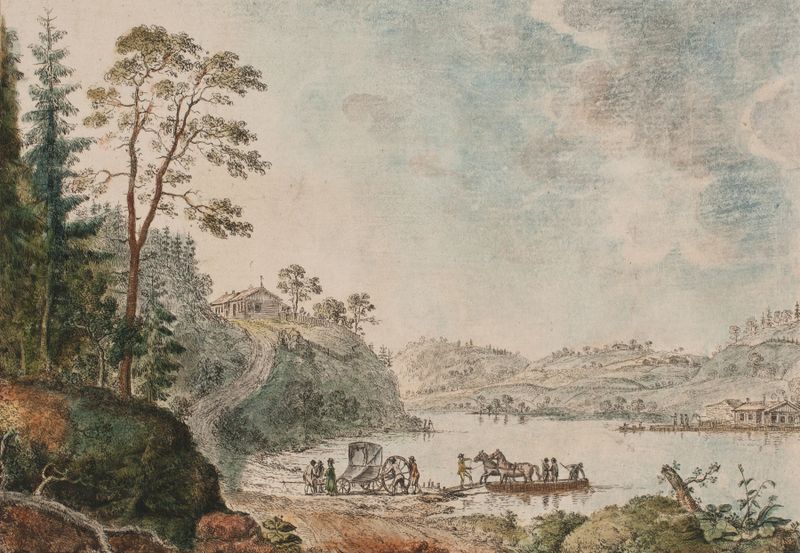
Norsk landskab
Erik Pauelsen
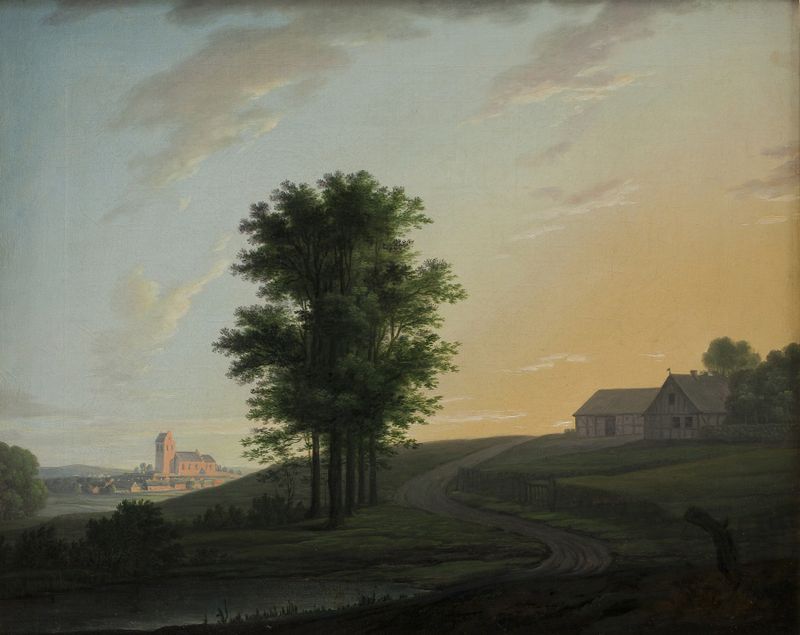
Evening Landscape near Gentofte, North of Copenhagen
Erik Pauelsen

Tistedalen ved Frederikshald i Norge
Erik Pauelsen





