
The Peake of Tenerife — History & Facts
What if silence could speak through light? In The Peake of Tenerife, the interplay of muted hues and delicate brushstrokes invites contemplation on the slow decay of beauty and the passage of time. Look closely at the horizon where the mountain looms, its peak veiled in mist—a gentle reminder of nature’s impermanence. Notice how the warm tones of the sun-kissed sky contrast with the cooler shadows creeping across the landscape. The trees in the foreground, sparse and weathered, echo a sense of loss, their branches reaching out in quiet despair.
This masterful balance between light and shadow enhances the painting's emotional weight, suggesting that what is seen is often accompanied by what is not. The painting captures the tension between the majesty of the mountain and the vulnerability of the surrounding landscape. Each layer of color reveals a deeper story of decay, evoking reflections on the fleeting nature of life and legacy. The juxtaposition of vibrant hues against the desolate tree branches whispers of beauty lost and time's relentless march, prompting a dialogue about what remains after splendor fades. Alfred Diston created The Peake of Tenerife in 1829, during a period marked by a growing fascination with Romanticism in art.
Diston, who spent much of his life in England, was influenced by the sublime nature of landscapes that evoked strong emotional responses. As Europe grappled with industrialization, his work offered a contemplative escape into the natural world, capturing its beauty and fragility amid the changing landscape of society.
More Artworks by Alfred Diston
Browse all →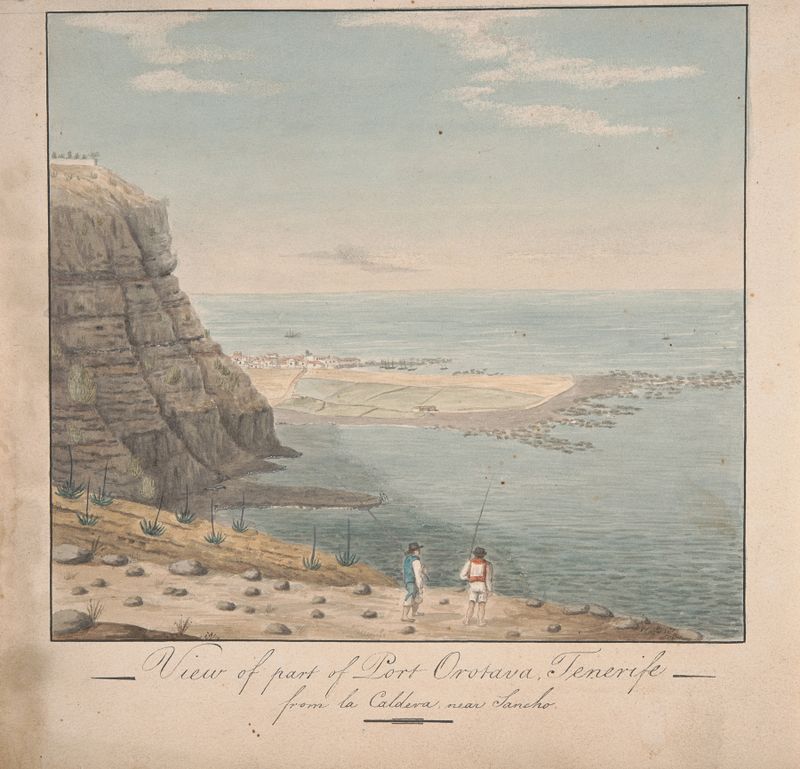
View from part of Port Orotava, Tenerife from La Caldeva, near Sancho
Alfred Diston

View from Port Orotava, Tenerife
Alfred Diston
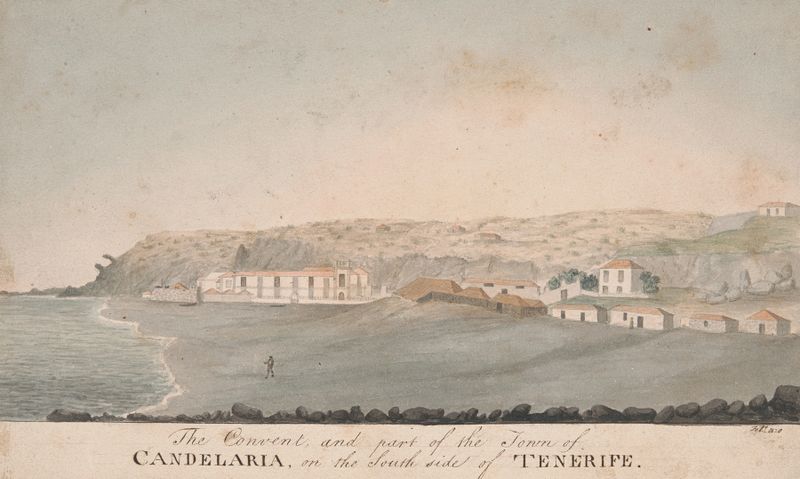
The Convent and Part of the Town of Candelaria, on the south side of Tenerife
Alfred Diston
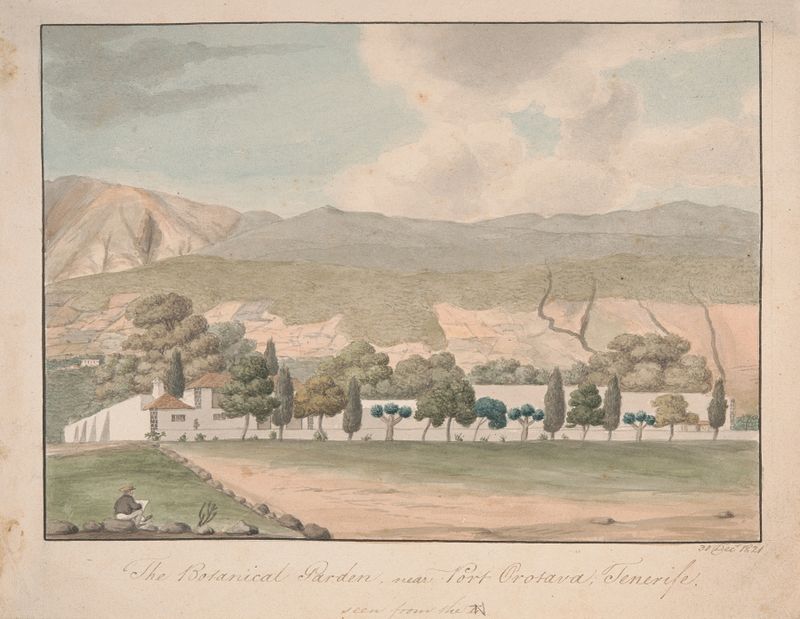
The Botanical Garden near Port Orotava, Tenerife
Alfred Diston
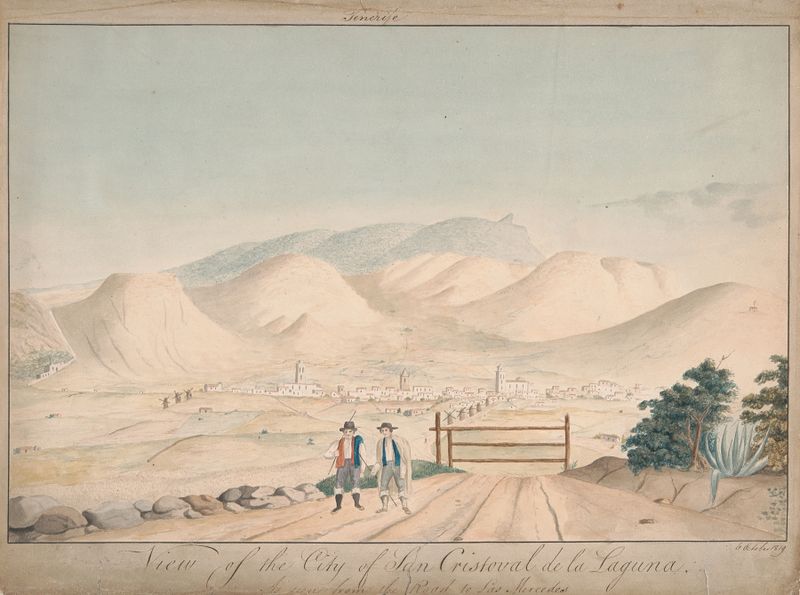
View of the City of San Cristoval de la Laguna as Seen from the Road to Las Mercedes
Alfred Diston
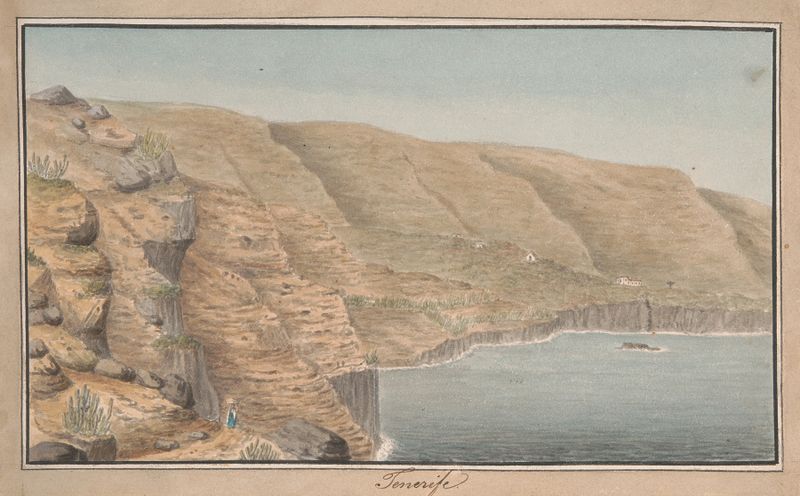
View of La Rambla de Castro near Port Orotava, Tenerife
Alfred Diston
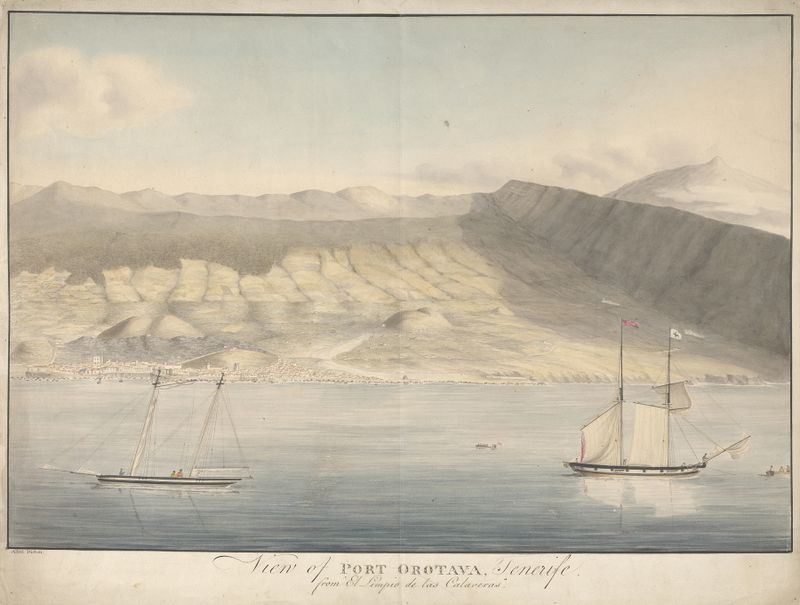
View of Port Orotava, Tenerife, from El Limpio de Las Calaveras
Alfred Diston

View from Martianez, Port Orotava, Tenerife
Alfred Diston
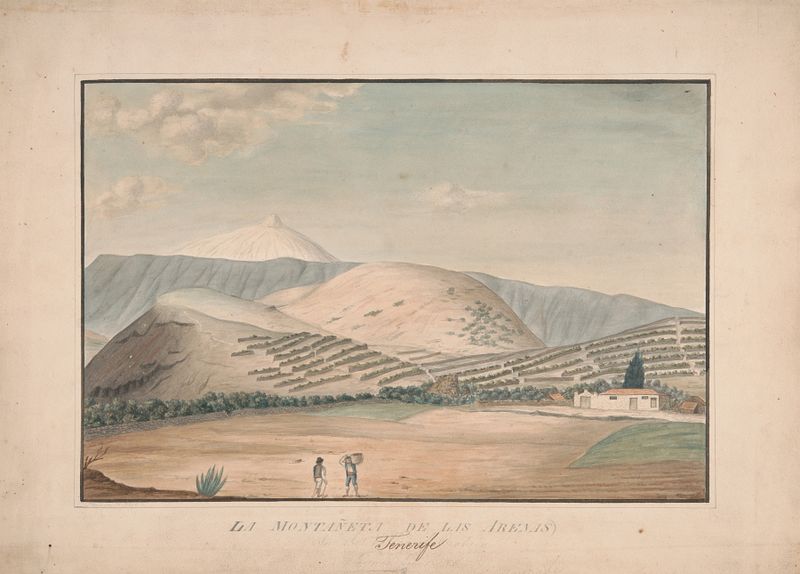
La Montaneta de Las Arenas
Alfred Diston

Square in the Village of Los Silos, Tenerife
Alfred Diston





