
The Plaza after the Rain — History & Facts
In a world of vibrant hues, the aftermath of a storm reveals the quiet pulse of life—an intersection of renewal and reflection. Look to the middle of the canvas, where glistening pavement mirrors the sky. The delicate brushstrokes capture the aftermath of rain, each droplet lingering in the air, painting the scene with an ethereal glow. Notice how the blues and grays blend seamlessly, evoking a damp atmosphere, while soft patches of warm color hint at the sunlight's return.
The silhouettes of pedestrians moving through this urban oasis draw you in, as their umbrellas create a rhythmic pattern against the background, unifying the scene. Beneath the surface, the painting suggests a moment of transition, a metaphor for change. The juxtaposition of the soggy ground and the emerging light symbolizes hope rising from hardship, mirroring the societal shifts of the early 20th century. Each figure, though lost in thought, contributes to a collective narrative—individual stories within a communal experience, hinting at the unspoken revolutions brewing within society. Created in 1908, this work emerged during a transformative time for Cornoyer, as he navigated both personal challenges and the evolving world of American art.
Working in New York City, he was influenced by the Impressionist movement while developing his unique style that captured urban life. The painting stands as a testament to that era, reflecting the delicate balance between humanity and the relentless march of change.
More Artworks by Paul Cornoyer
Browse all →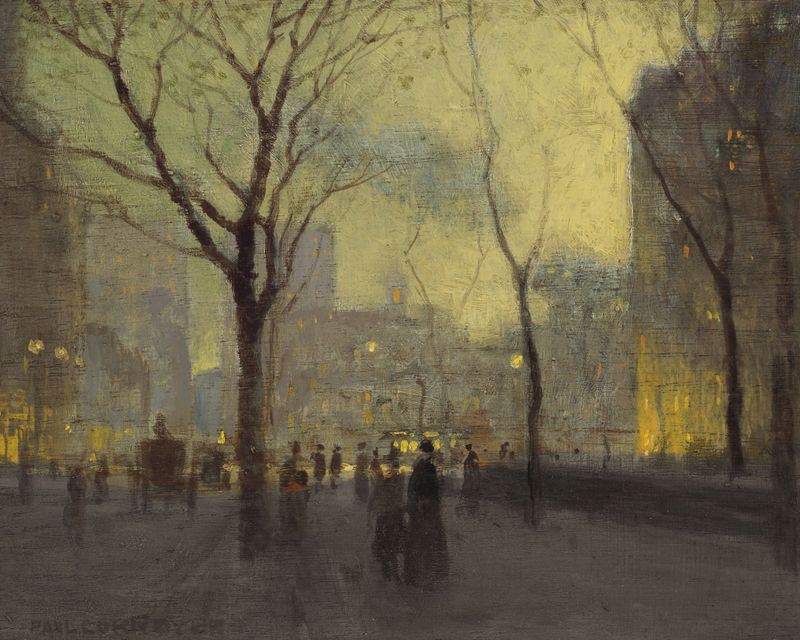
Plaza Hotel in the Rain
Paul Cornoyer
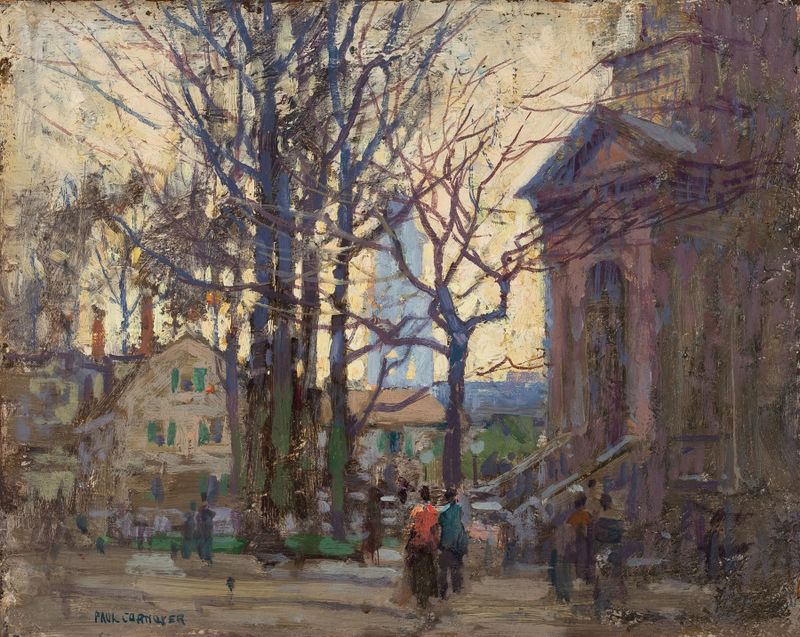
A Gloucester Street
Paul Cornoyer
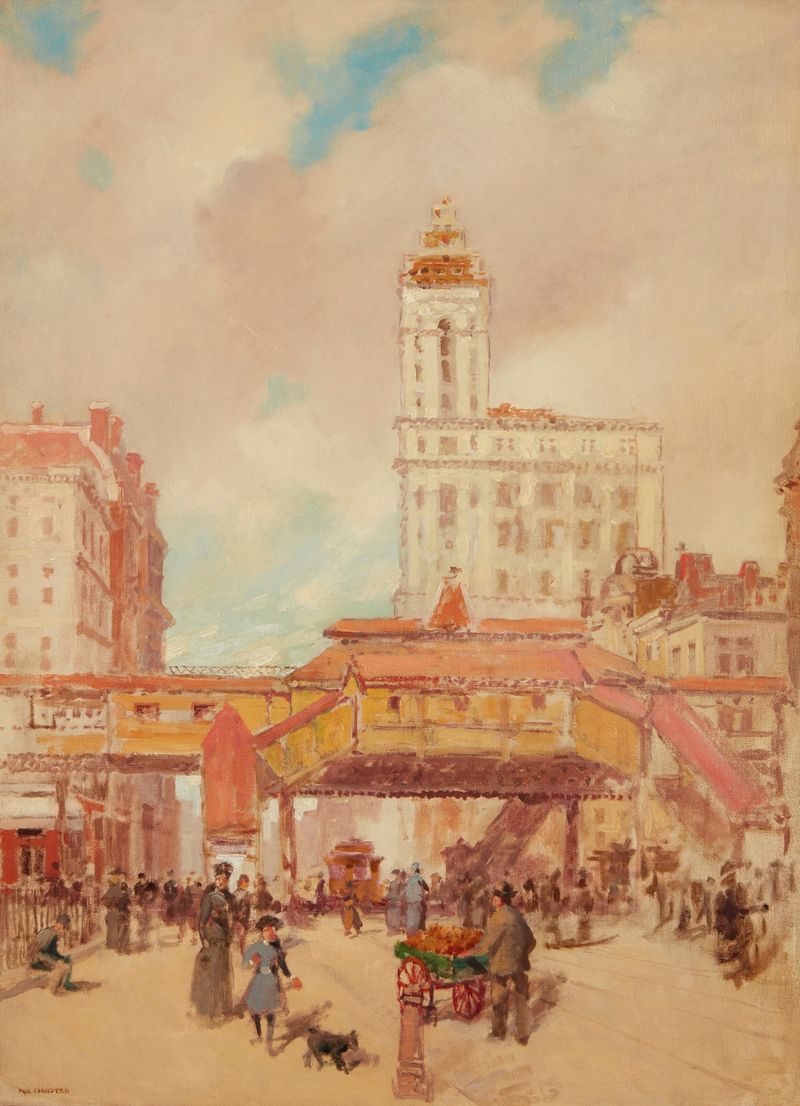
Third Avenue, New York
Paul Cornoyer
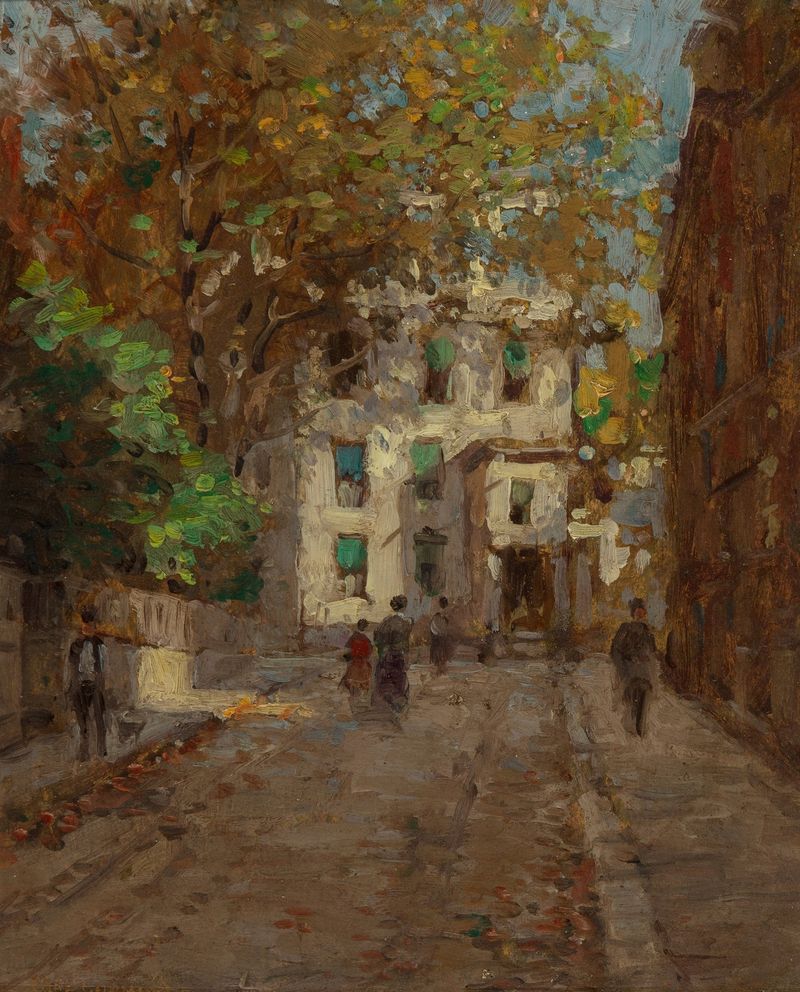
The Village, New York City
Paul Cornoyer

Washington Square, New York
Paul Cornoyer
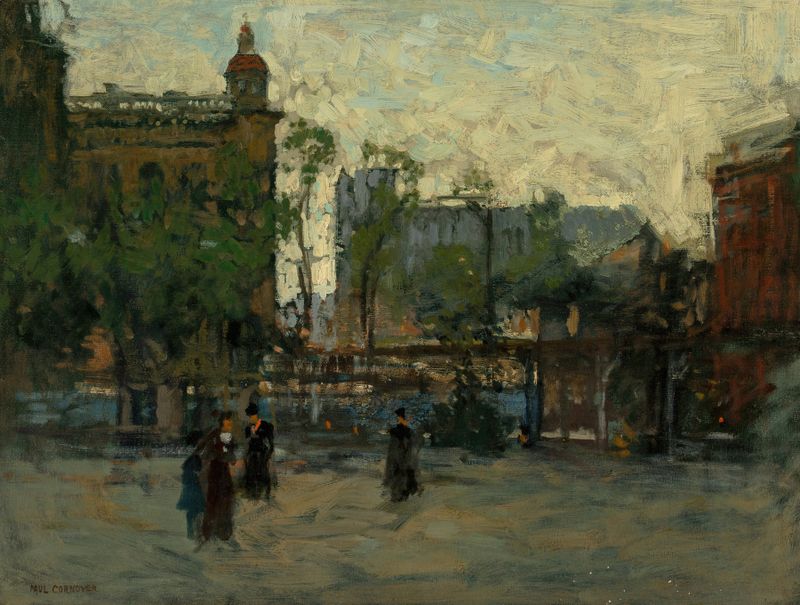
Early Evening, Empire Park, New York
Paul Cornoyer
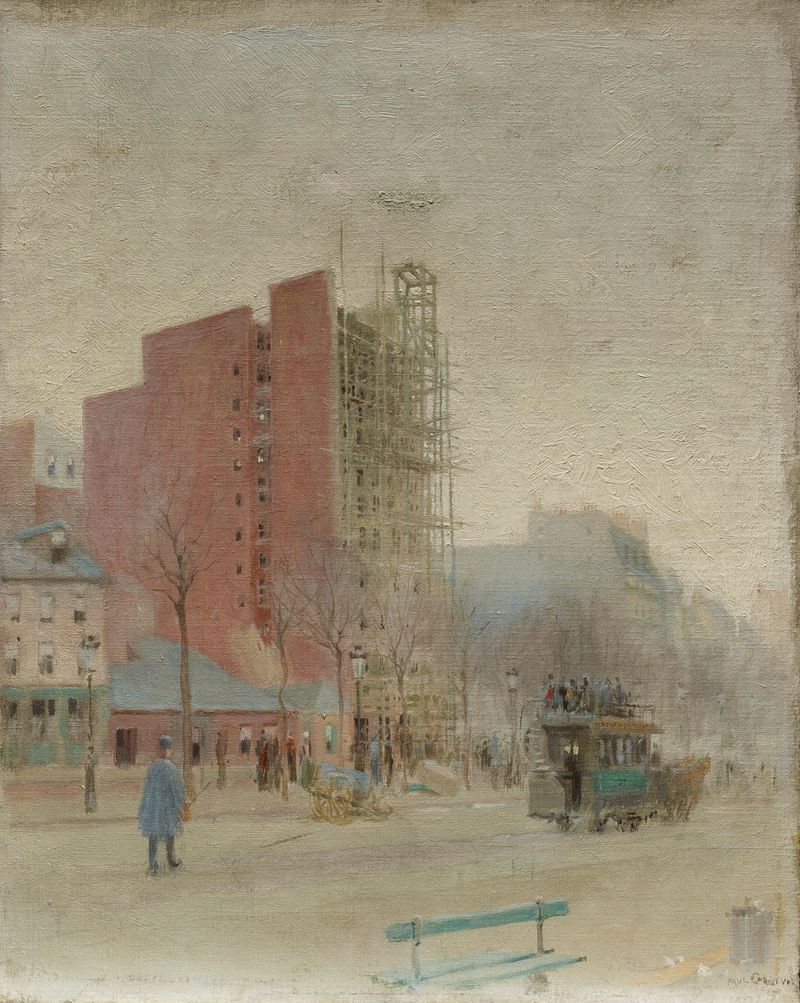
Street Scene
Paul Cornoyer
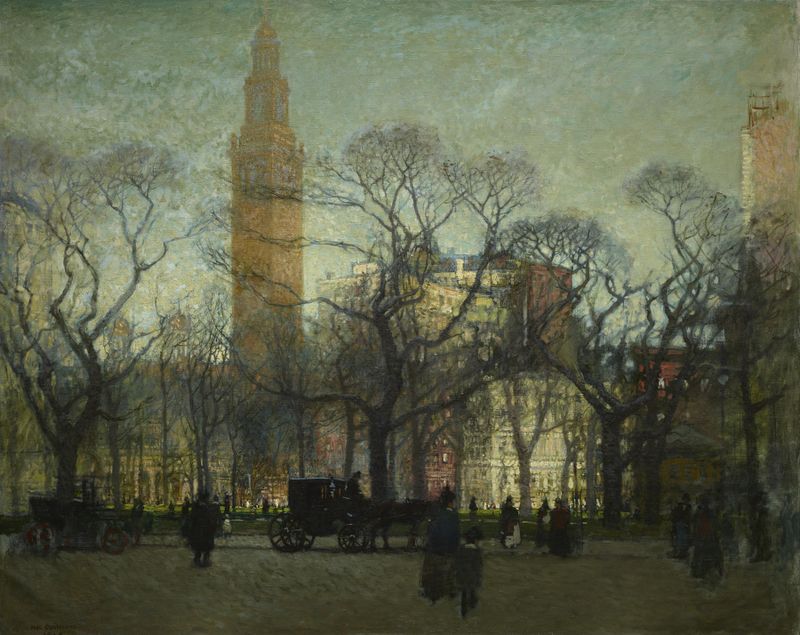
Afternoon Madison Square
Paul Cornoyer
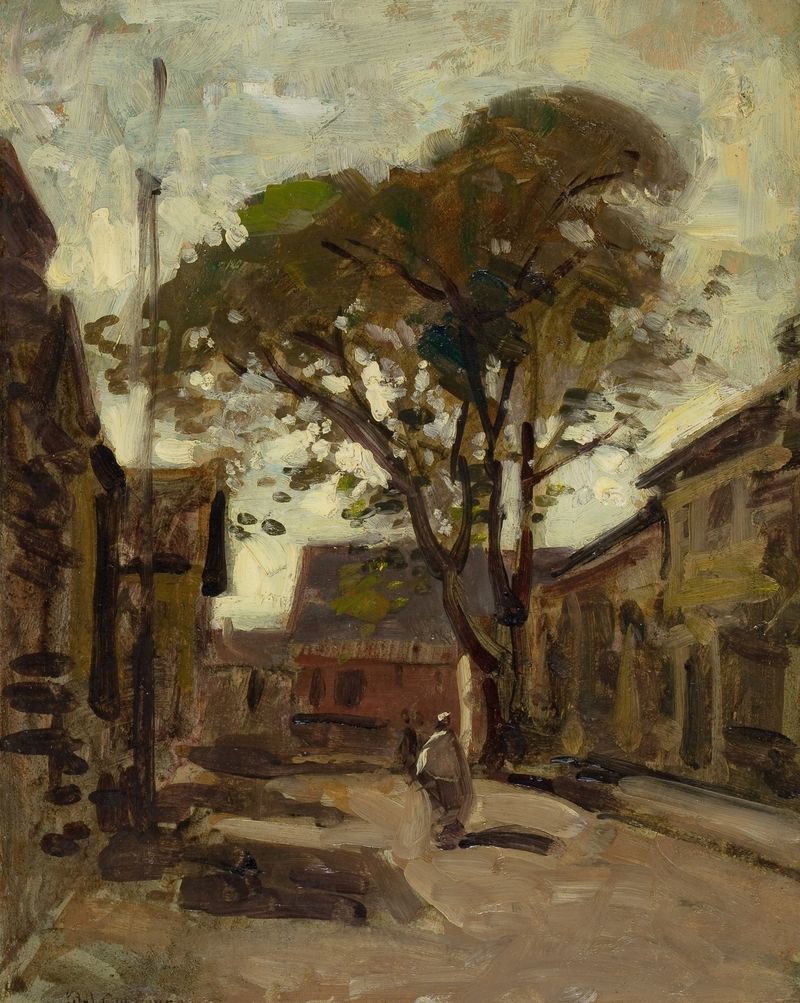
View of a Town Square with a Man
Paul Cornoyer
Landscape of New England Town
Paul Cornoyer





