
The Quwwat-ul-Islam (or Might of Islam) mosque and the Iron Pillar of Delhi, Qtub Minar complex — History & Facts
Where does light end, and longing begin? In the quiet embrace of ancient architecture, we find a profound serenity that transcends time and space. Focus on the intricate details of the Iron Pillar, its surface etched with the passage of centuries, standing resolute against the backdrop of the majestic mosque. Notice how the warm hues of the stone contrast with the cool shadows cast by the towering minaret, creating a harmonious balance that beckons the eye. The symmetrical lines draw you into a sacred stillness, inviting contemplation and reflection within the viewer's heart. Delve deeper into the interplay of light and shadow that reveals hidden narratives—the way the sunlight caresses the surface of the pillar, illuminating not just its physical form but also the weight of history it carries.
The juxtaposition of the weathered iron and the polished stones of the mosque embodies a tension between endurance and decay, inviting thoughts on the transience of human achievement. Here, the serenity is tinged with a sense of yearning, evoking questions about faith, time, and the legacies we leave behind. During the late 19th century, while exploring India’s rich cultural heritage, the artist captured this scene with a reverent eye. In an era marked by colonial scrutiny and fascination with the East, Brabazon sought to convey the sublime beauty of architecture and its spiritual significance.
His work reflects an era of exploration and admiration, where art became a medium to celebrate the intricate relationship between history and the human experience.
More Artworks by Hercules Brabazon Brabazon
Browse all →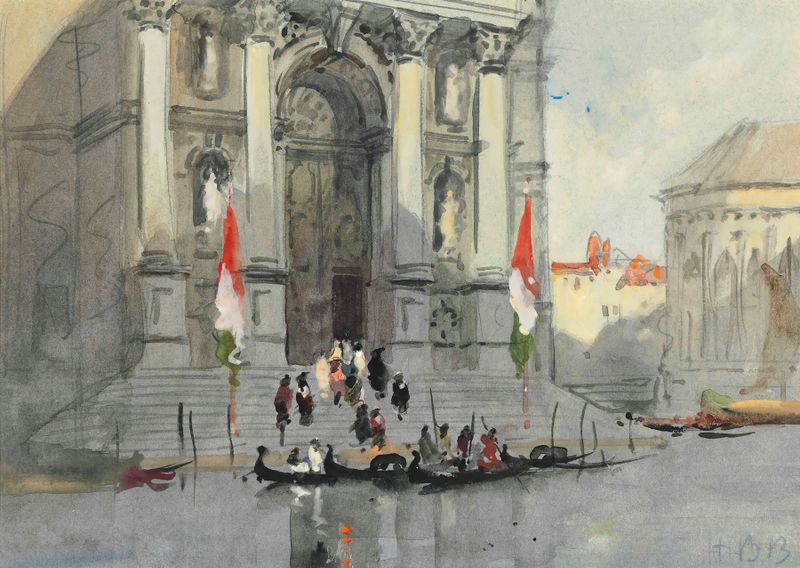
Santa Maria della Salute, Venice
Hercules Brabazon Brabazon
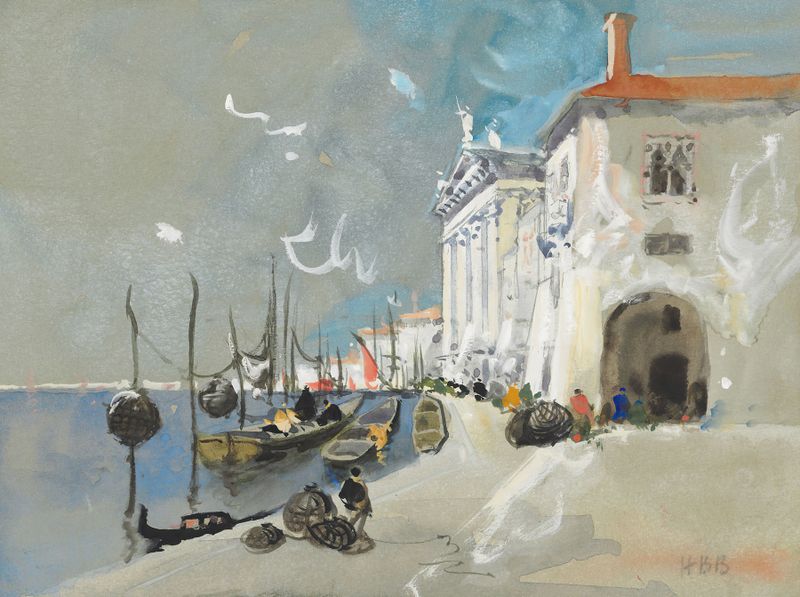
Fish baskets, Chioggia, south of Venice
Hercules Brabazon Brabazon
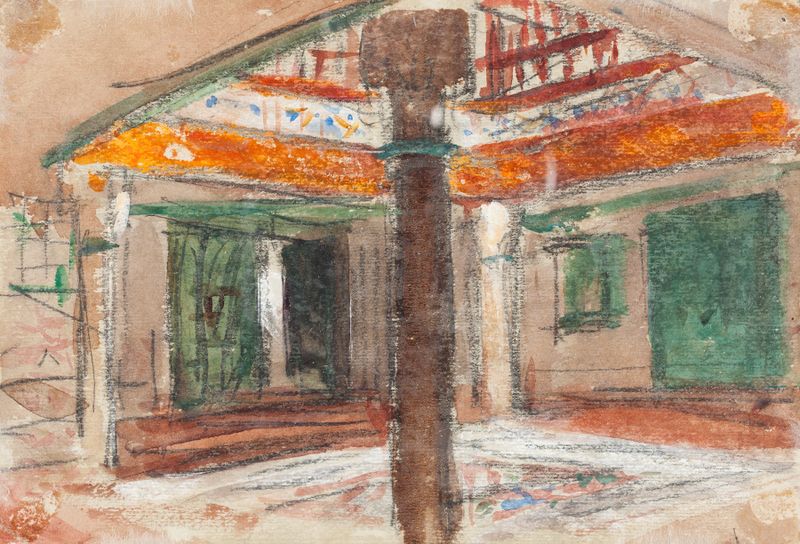
Interior of an Exotic Palace
Hercules Brabazon Brabazon
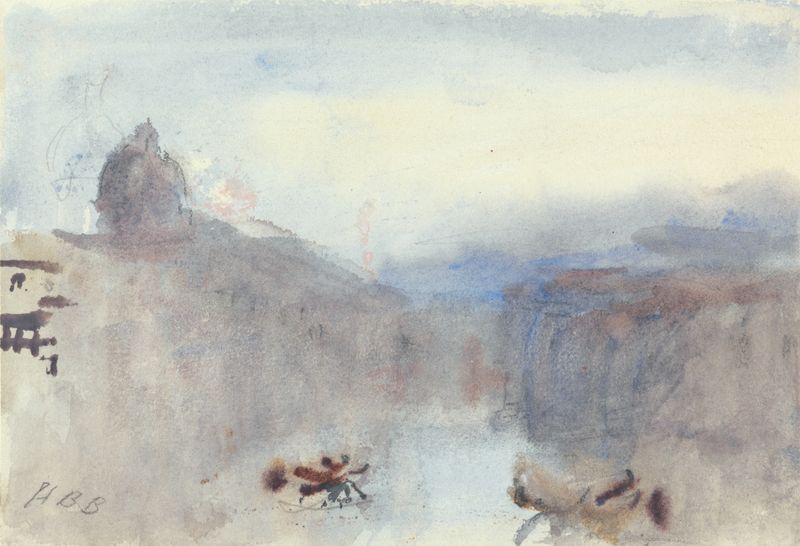
Grand Canal Sunset
Hercules Brabazon Brabazon
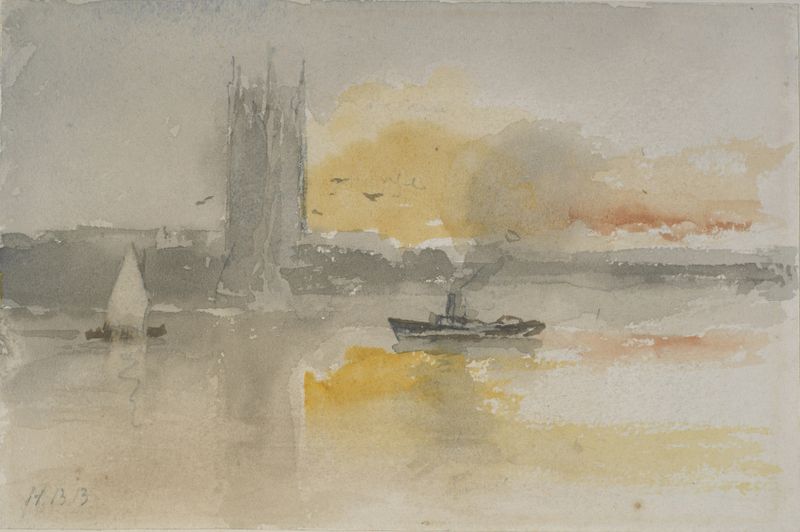
Houses of Parliament
Hercules Brabazon Brabazon
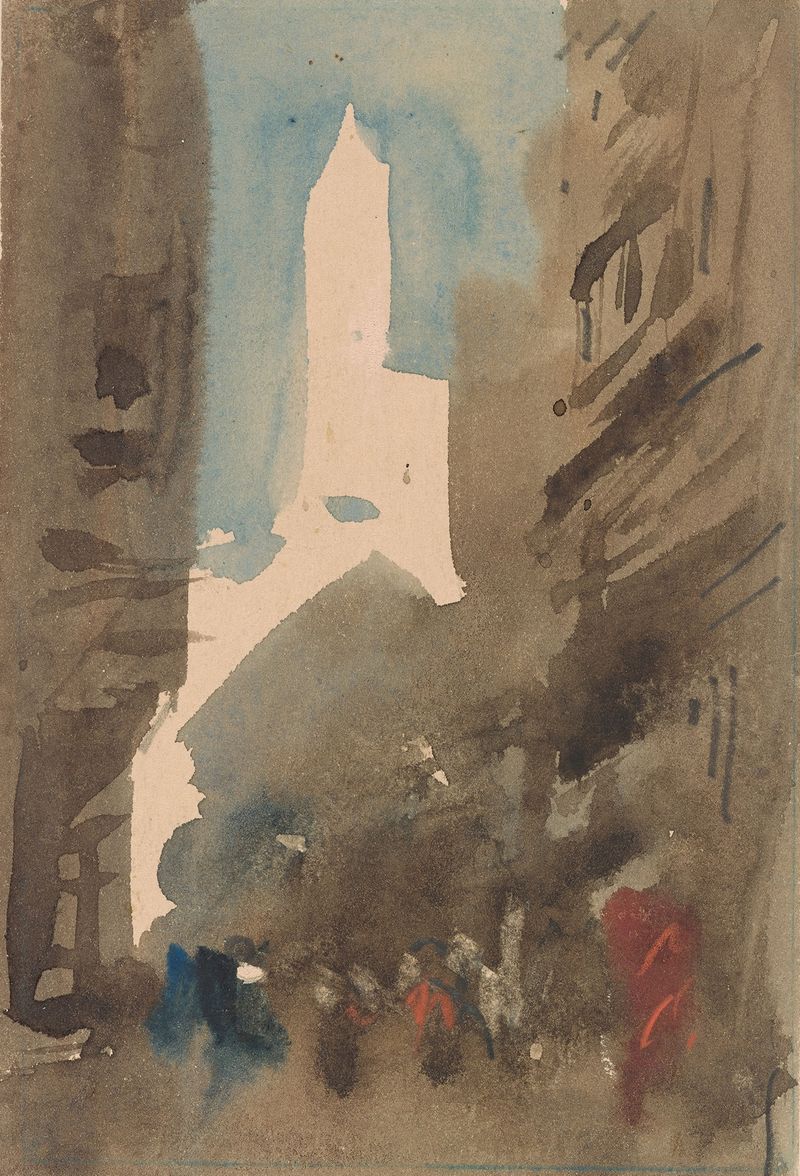
Street Scene with White Tower
Hercules Brabazon Brabazon
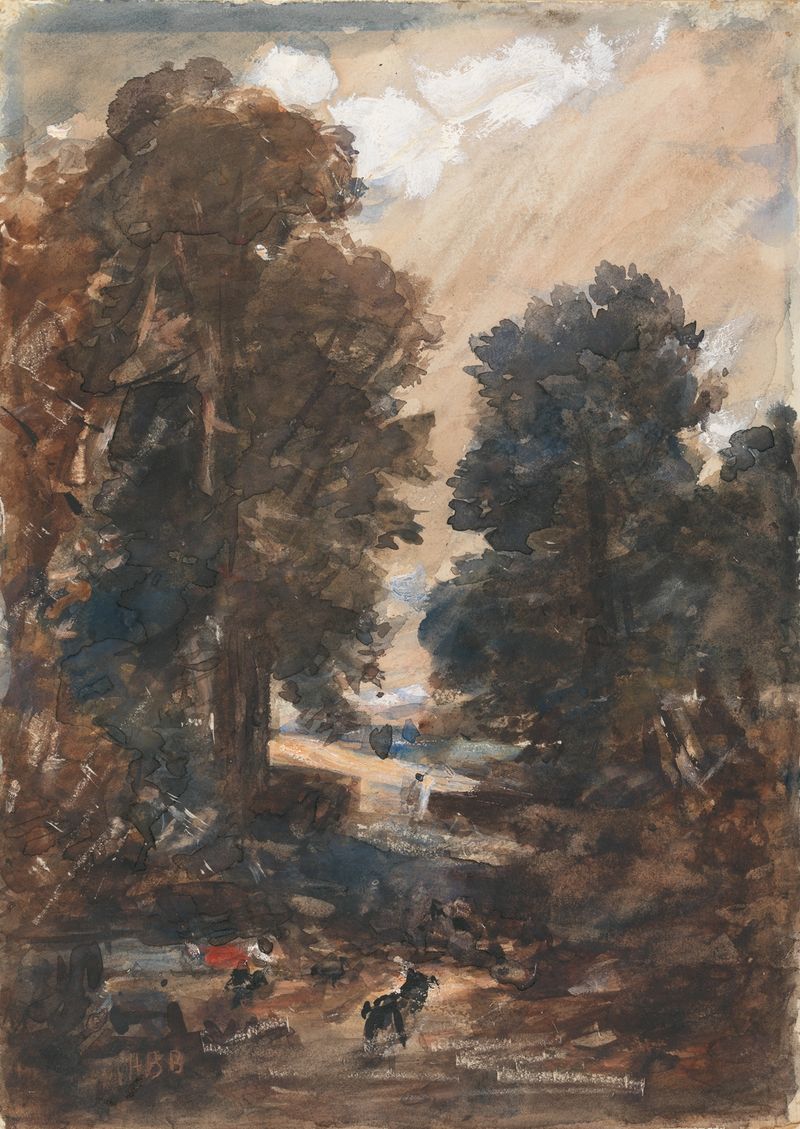
The Cornfield
Hercules Brabazon Brabazon
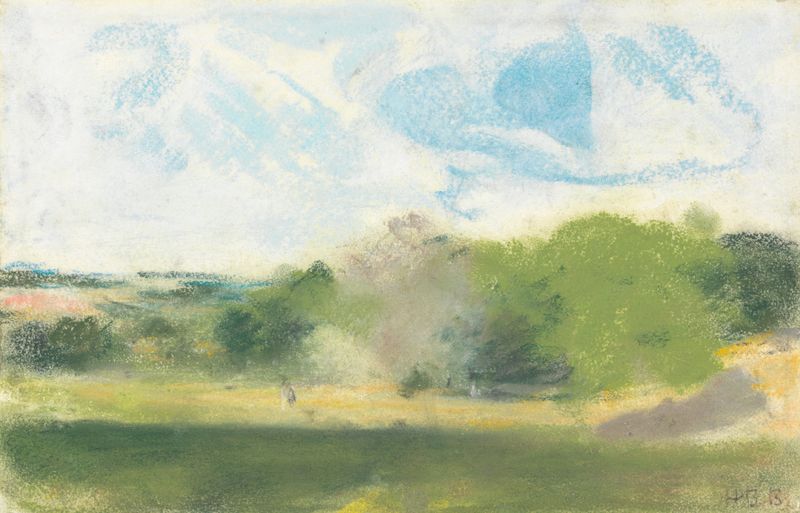
View at Oaklands
Hercules Brabazon Brabazon
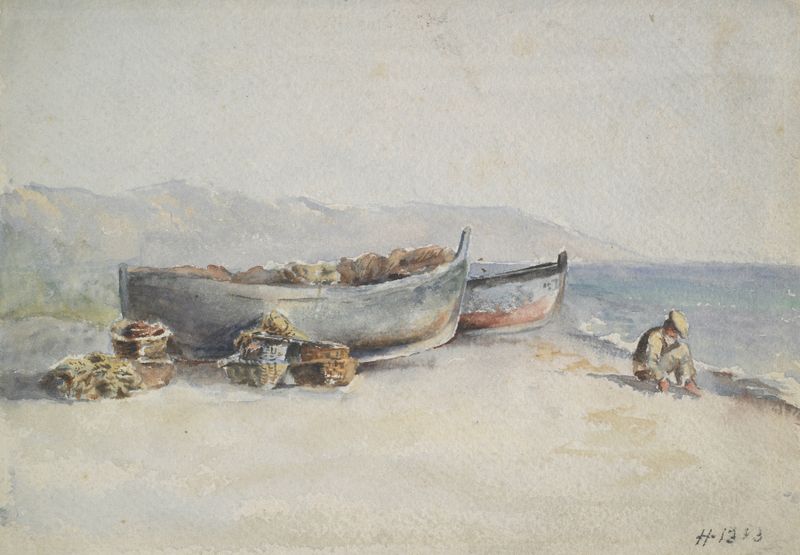
Fishing boats on the shore
Hercules Brabazon Brabazon
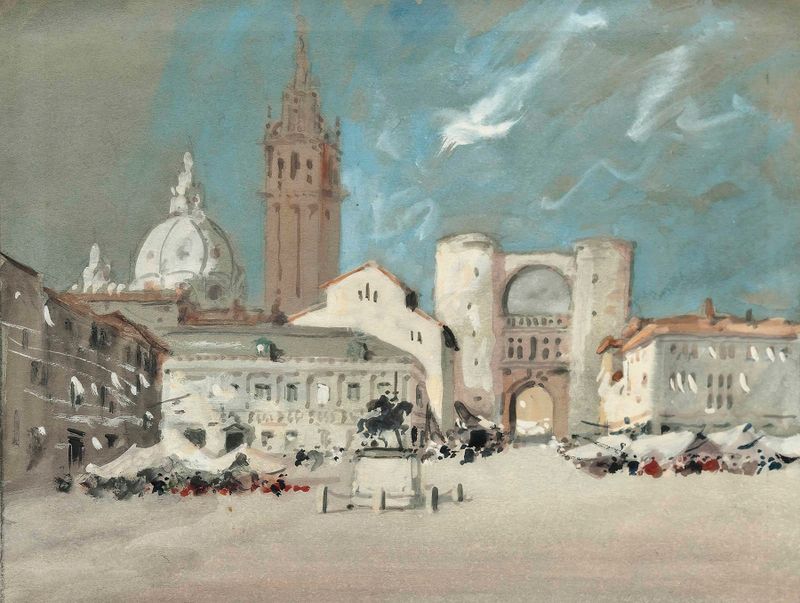
Piazza Dei Signori, Padua
Hercules Brabazon Brabazon
More Architecture Art
Browse all →
The statue of Liberty
Frédéric Auguste Bartholdi

View of Houses in Delft, Known as ‘The Little Street’
Johannes Vermeer

View of Houses in Delft, Known as ‘The Little Street’
Johannes Vermeer

The Cathedral in Rouen. The portal, Grey Weather
Claude Monet

The yellow house
Vincent van Gogh

The Church in Auvers-sur-Oise, View from the Chevet
Vincent van Gogh