The Rapenburg in Leiden — History & Facts
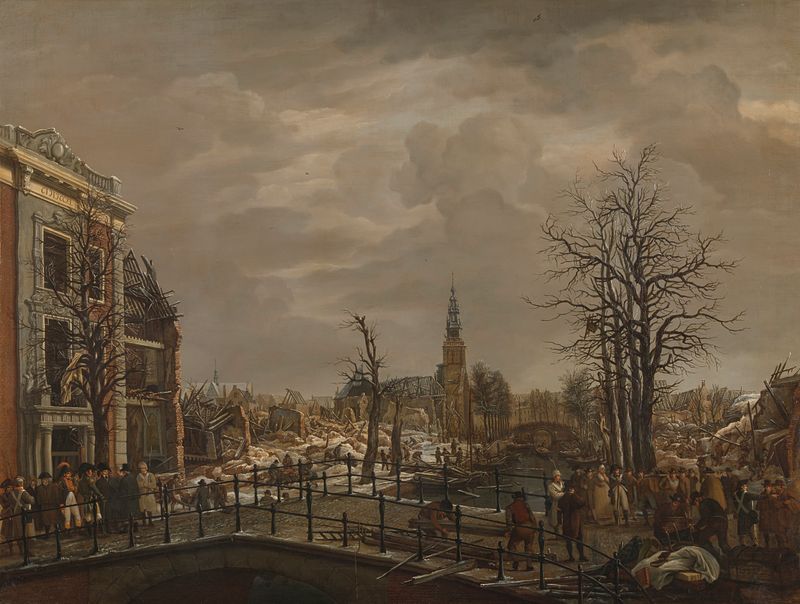
When did color learn to lie? In this vibrant scene, hues can deceive, suggesting warmth where chill resides, and tranquility cloaked in unrest. Each brushstroke whispers of faith, imparting a sense of hope amidst the complexities of life and art. Look to the center, where the winding canal draws the eye, reflecting the soft blues and greens of the surrounding foliage. Notice how the light dances off the water’s surface, creating a shimmering pathway that leads towards the distant horizon.
The buildings, depicted with rich colors, stand proud, their facades warmed by the sun’s gentle caress, yet the shadows they cast hint at the depths of human experience lying beneath their beauty. Delve deeper into the interplay of colors; the juxtaposition of the vibrant greens against the muted browns of the cobblestone hints at life’s duality. The careful depiction of figures along the canal speaks to a quiet intimacy, encapsulating both community and solitude. This duality suggests a faith in the everyday, a recognition of the sacred in the mundane, revealing the complexities of human existence that lie beneath the surface. In 1807, Carel Lodewijk Hansen painted this work in Leiden, a city rich in tradition and intellectual discourse.
The early 19th century was a time of burgeoning Romanticism, where artists sought to capture the emotional landscape of their time. Hansen, influenced by his surroundings and the shifting currents of the art world, aimed to blend realism with the emotive power of color, reflecting both his personal journey and the broader cultural shifts occurring in Europe.