
The Resurrection of Christ — History & Facts
Time, with its relentless march, captures moments that ebb and flow like the tide, transforming despair into hope. Look to the center of the canvas, where the figure of Christ rises, radiant and defiant against a backdrop of darkness. The luminous whites and soft golds of his robes contrast sharply with the deep blues and somber shadows that encase the scene. Notice how the surrounding figures, awash in muted tones, both revere and react, their hands raised in awe or disbelief, creating a dynamic interplay between light and shadow that pulls the viewer into the moment. At first glance, the painting conveys a sense of triumph, yet beneath its surface lies a tension between divine grace and human frailty.
The figures surrounding Christ, their expressions a mixture of astonishment and fear, mirror the duality of faith and uncertainty. The delicate flicker of light illuminating Christ’s face signifies hope reborn, while the darkened corners embody the lingering doubts that accompany such a miraculous event, reflecting the ever-present struggle between belief and skepticism. In 1605, Paulus Willemsz. van Vianen created this significant work during a period marked by the Counter-Reformation's profound influence on religious art.
Painting in the Netherlands amid a flourishing artistic environment, he sought to evoke a powerful spiritual response, blending emotional depth with skilled technique to resonate with the devout audiences of his time and elevate their understanding of faith through visual storytelling.
More Artworks by Paulus Willemsz. van Vianen
Browse all →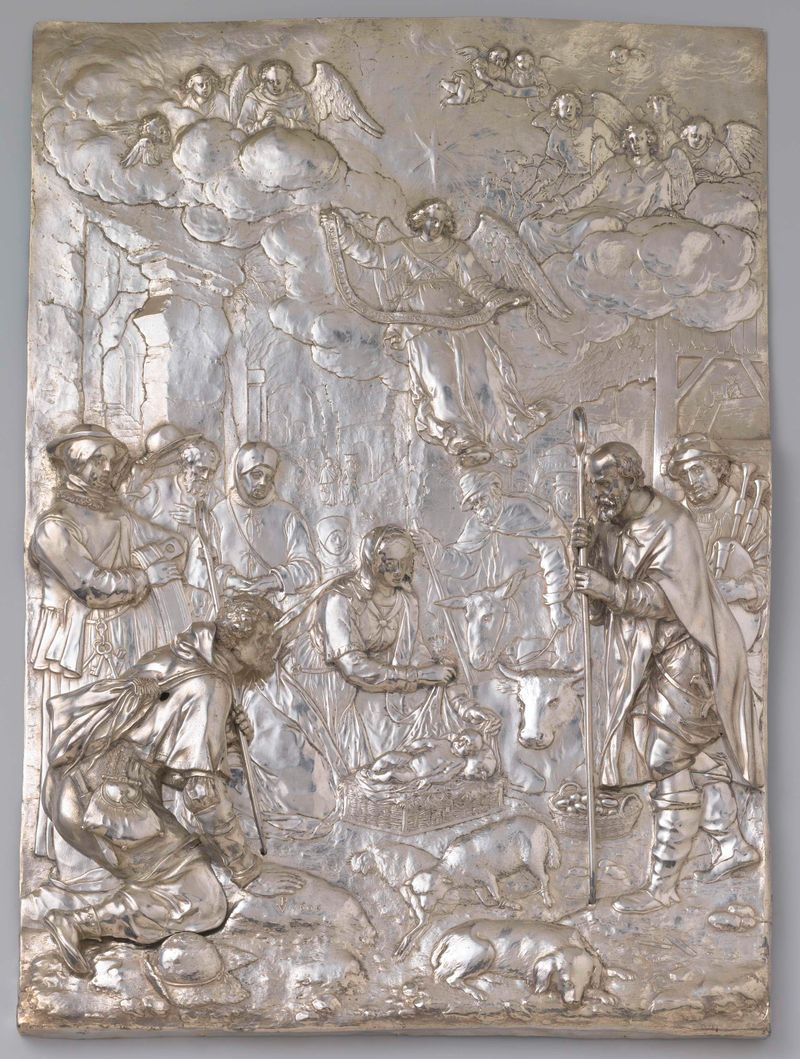
More Religious Art
Browse all →
The Return of the Prodigal Son
Rembrandt van Rijn

The Garden of Earthly Delights
El Bosco

Count Orgaz’ funeral
El Greco

The Hundred Guilder Print: the central piece with Christ preaching, the plate arched
Rembrandt van Rijn

The Descent from the Cross
Rogier van der Weyden

The return of the prodigal son
Rembrandt van Rijn