The Ruins — History & Facts
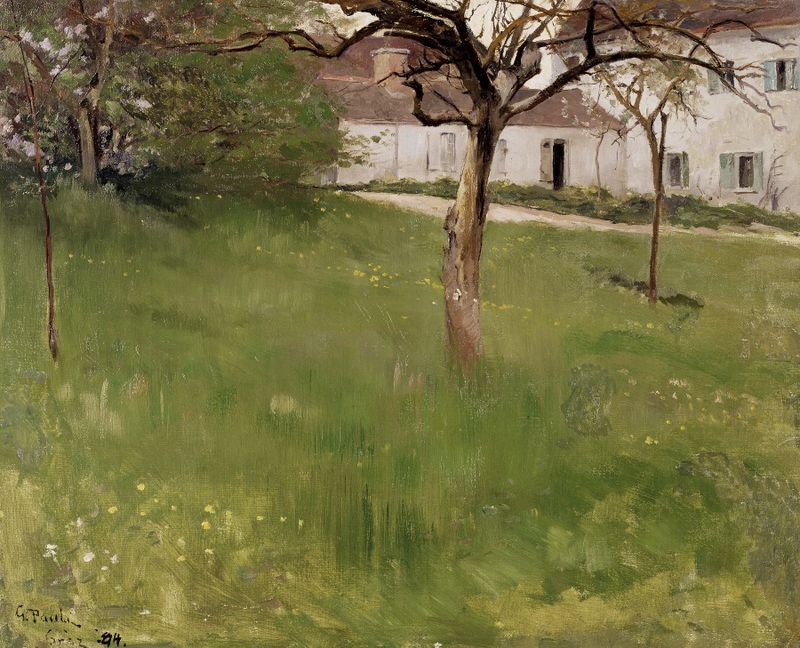
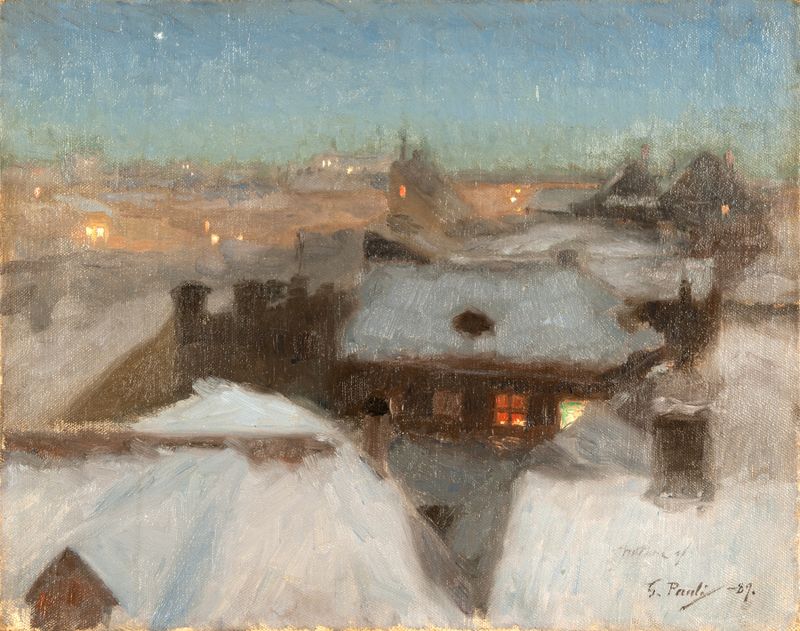
In the stillness of The Ruins, a haunting truth emerges, echoing the delicate dance between destruction and revelation. To truly appreciate this work, focus on the crumbling pillars in the foreground, their weathered textures telling stories of a once-grand civilization now laid bare. Notice the way light filters through the gaps, illuminating the fragmented stones, casting soft shadows that evoke a sense of lingering memory. The muted palette of earth tones, punctuated by hints of verdant green creeping through the fissures, invites contemplation on the beauty of decay. Beneath the surface lies a poignant dialogue between permanence and impermanence.
The juxtaposition of the robust architecture against its eroded state reflects life’s transience, encouraging viewers to ponder what remains after the passage of time. There’s a tension in the silence, a reminder that beauty can be found even in the remnants of what once was, compelling us to acknowledge our own fragility in the face of history. Georg Pauli painted The Ruins in 1886 during a period marked by an interest in nature and the ruins of past civilizations. Working in Sweden, he was influenced by the Romantic movement, which often celebrated the sublime in both natural landscapes and architectural remnants.
The work represents his introspection on the inevitable decline that accompanies the passage of time, reflecting broader artistic themes of the era centered on nostalgia and the beauty found within decay.