
The Ruins of the Monastery of Oybin in the Zittau Mountains — History & Facts
In the delicate interplay of decay and memory, art becomes a vessel for the past, preserving what nature and time seek to erase. Focus on the somber hues of ochre and gray that dominate the scene, suggesting a bygone era. The viewer's eye is immediately drawn to the crumbling arches that stand defiantly against the encroaching wilderness, their grandeur still palpable despite the ravages of time. Notice how the dappled sunlight filters through the foliage overhead, casting intricate patterns on the weathered stone, illuminating the juxtaposition between human creation and the relentless march of nature reclaiming its space. Amidst the silent ruins, one can sense a poignant story of loss and resilience.
The fallen stones symbolize both the frailty of human endeavor and the beauty of what remains, echoing the inevitability of decline. The lush greenery that encircles the ruins serves as a reminder of life's persistence, while the dark shadows hint at the melancholic specter of despair, creating a rich tapestry of emotions. Each detail, from the intricate carvings to the wild undergrowth, speaks of the passage of time and the layers of history embedded within the landscape. Philipp Veit created this evocative work in 1792, during a period of shifting artistic ideals and the rise of Romanticism in Germany.
As he immersed himself in themes of nature, nostalgia, and the sublime, the painting reflects both his personal inclinations and the broader cultural dialogues surrounding the ruins of the past. The artist sought to capture not only the physical remnants of the monastery but also the emotional resonance of decay, inviting viewers to contemplate the transitory nature of existence.
More Artworks by Philipp Veit
Browse all →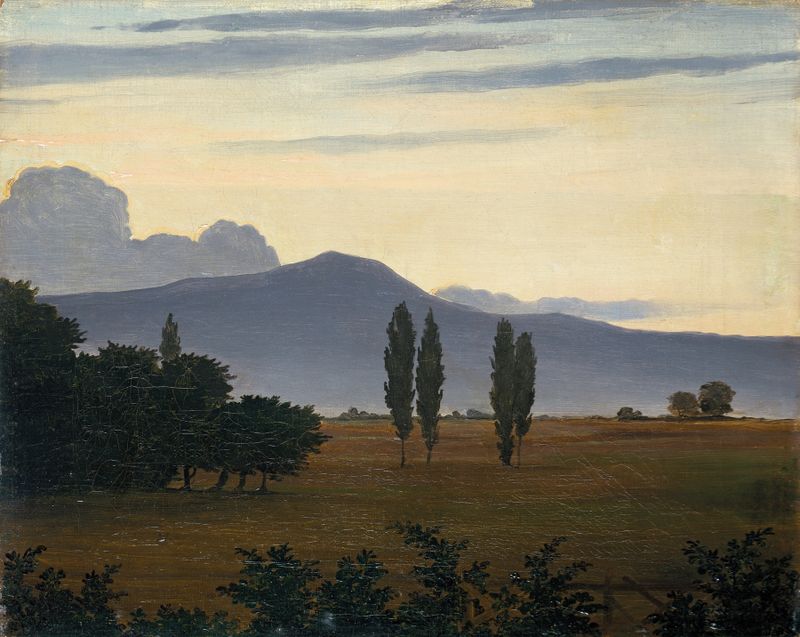
More Architecture Art
Browse all →
The statue of Liberty
Frédéric Auguste Bartholdi

View of Houses in Delft, Known as ‘The Little Street’
Johannes Vermeer

View of Houses in Delft, Known as ‘The Little Street’
Johannes Vermeer

The Cathedral in Rouen. The portal, Grey Weather
Claude Monet

The yellow house
Vincent van Gogh

The Church in Auvers-sur-Oise, View from the Chevet
Vincent van Gogh