The Skaw Spit. Skagen — History & Facts
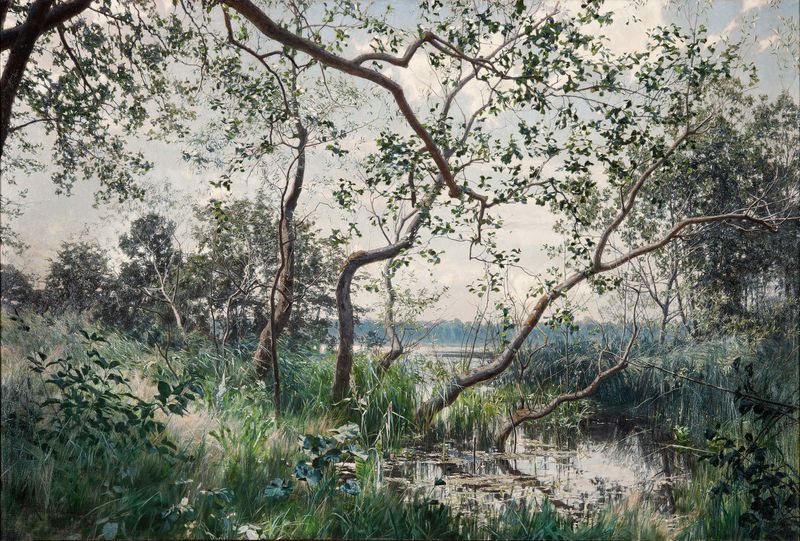
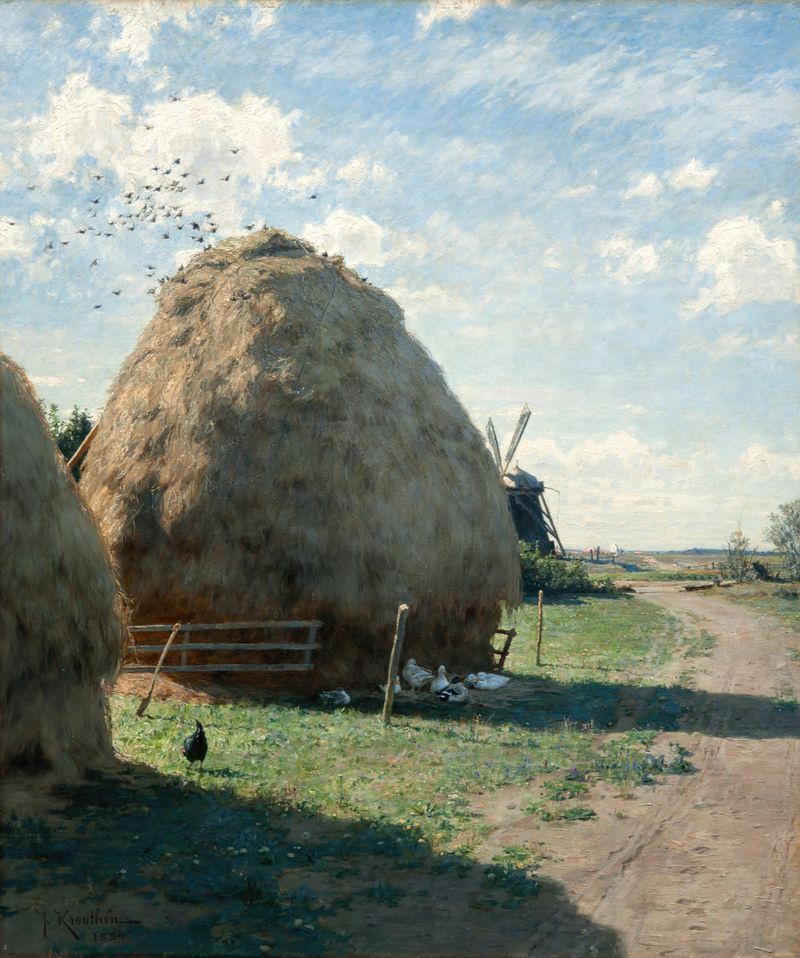
In the stillness of the Skaw Spit, innocence meets the vastness of nature, capturing a fragile moment suspended in time. Focus on the horizon where the pale sky kisses the serene waters, creating a seamless transition between earth and sea. The muted palette of soft blues and gentle grays envelops the canvas, inviting the viewer to breathe in the tranquility. Notice how the brushwork conveys a delicate balance between spontaneity and precision, each stroke echoing the play of light on the water’s surface.
The distant figures, tiny against the grand landscape, draw your gaze into the depths of the scene while evoking a sense of scale and perspective. This work reveals the tension between solitude and community. The figures, although seemingly isolated, are part of a greater whole, their presence amplifying the immensity of the surrounding environment. The gentle waves, symbolizing the passage of time, contrast with the stillness of the land, suggesting a deeper narrative of innocence intertwined with the weight of existence.
Each element contributes to the contemplative mood, urging the viewer to ponder the quiet confessions held within the landscape. In 1883, the artist created this piece while immersed in the vibrant art colony of Skagen, Denmark. This period marked a significant evolution in his style, influenced by the natural light and colors of the region. As he explored themes of nature and human connection, Krouthén sought to capture the essence of his surroundings, reflecting the broader artistic movement towards Impressionism and a greater focus on authentic experiences.