
The Villa of Cicero — History & Facts
What if beauty was never meant to be finished? In The Villa of Cicero, the viewer is invited into a moment suspended in time, where the grandeur of nature and the echoes of history coexist, revealing the delicate balance between legacy and transience. Look to the left at the towering trees, their lush greenery cascading over the villa’s aged stone façade. The artist skillfully employs a palette of soft earth tones, punctuated with splashes of vibrant color, to breathe life into the scene. Notice how the gentle interplay of light and shadow dances across the surface, illuminating the villa's serene architecture while casting intriguing patterns on the ground.
This careful composition draws the viewer's gaze deep into the landscape, encouraging contemplation of the stories that have unfolded there. Hidden within the tranquil beauty lies a profound tension between human ambition and nature's enduring presence. The villa, a symbol of intellectual pursuit, stands as a testament to Cicero's legacy, yet it is gradually reclaimed by the encroaching wilderness. The juxtaposition of the lush flora against the crumbling structure reflects the inevitable passage of time and the fragility of human endeavors.
Each leaf and stone whispers tales of greatness and decline, capturing the viewer's imagination and evoking a sense of nostalgia. Created in 1836, this work emerged during a period of Romanticism, which celebrated nature and the sublime in art. At the time, Giacinto Gigante was exploring the beauty of the Italian landscape while navigating a shift in artistic focus from neoclassical ideals to more emotive expressions. His connection to his homeland and the classical past informed his vision, as he aimed to immortalize the essence of beauty amidst the transient nature of life.
More Artworks by Giacinto Gigante
Browse all →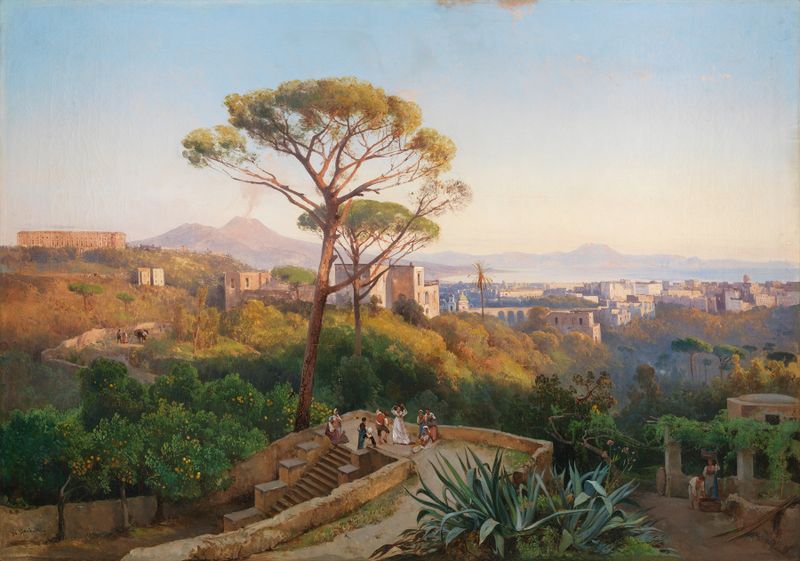
Panorama of Naples with Capodimonte and Mount Vesuvius in the distance
Giacinto Gigante
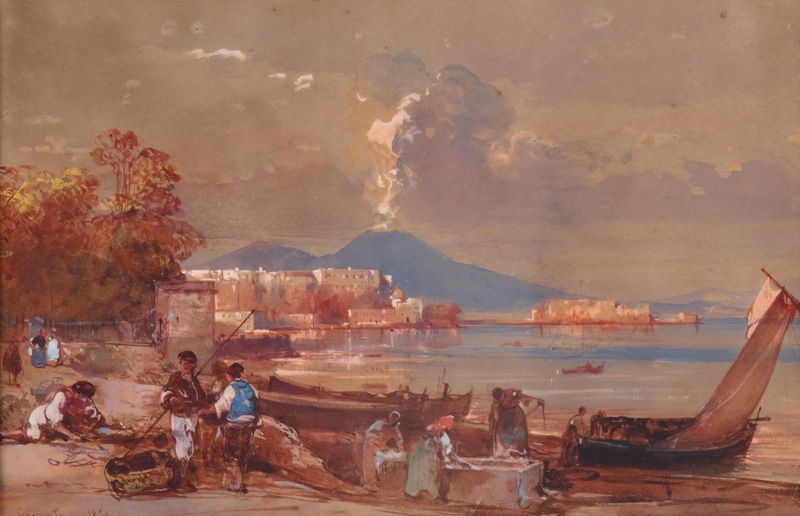
A View of Naples from Mergellina
Giacinto Gigante
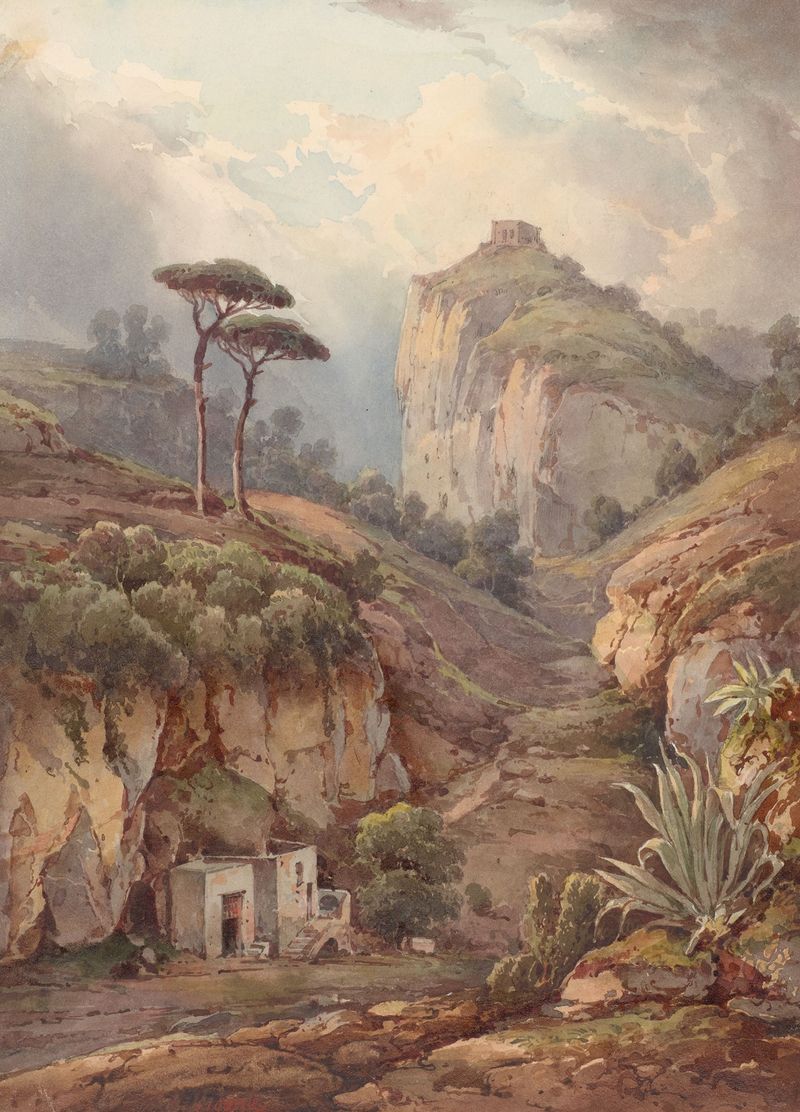
Approach from the Land to the Casa de’Spiriti Being a Walk from Naples
Giacinto Gigante
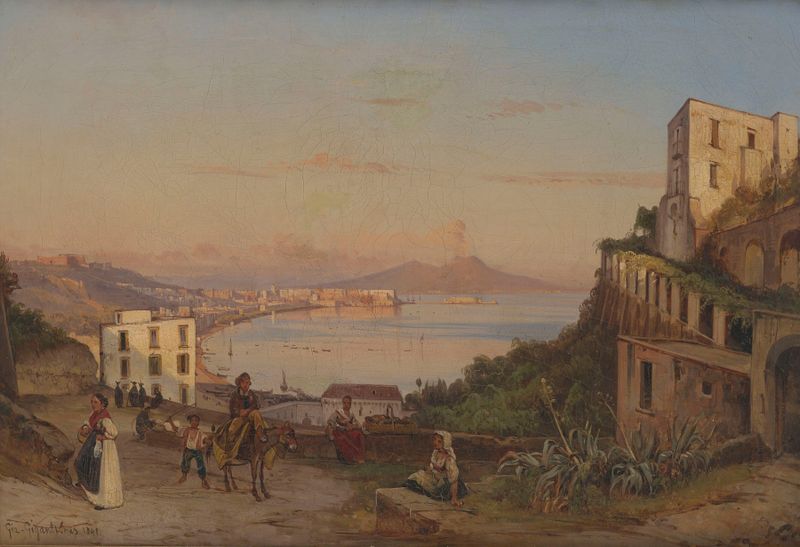
View of the Gulf of Naples with Vesuvius
Giacinto Gigante
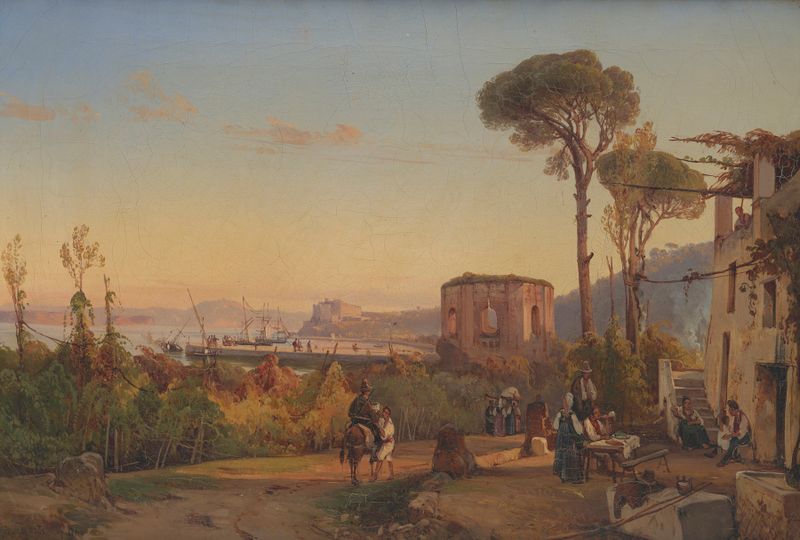
View of the Gulf of Naples with the Fishing Port
Giacinto Gigante
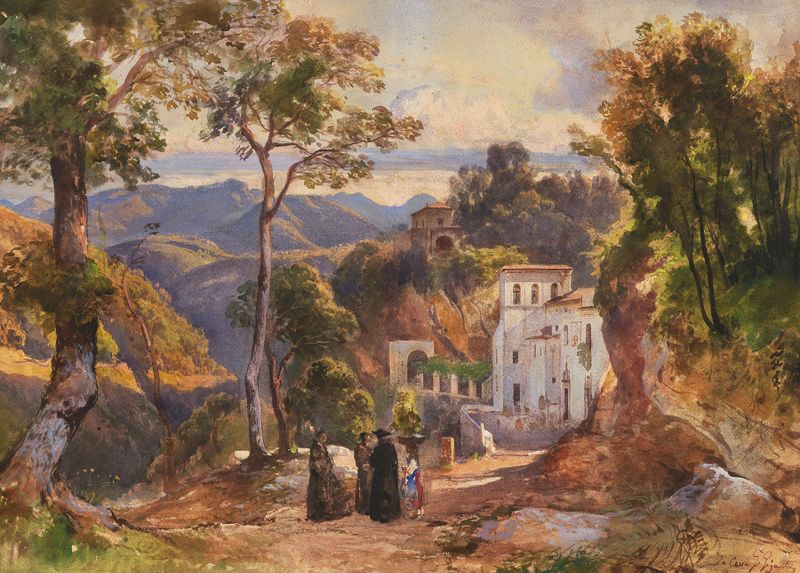
L’Avvocatella, Cava dei Tirreni
Giacinto Gigante
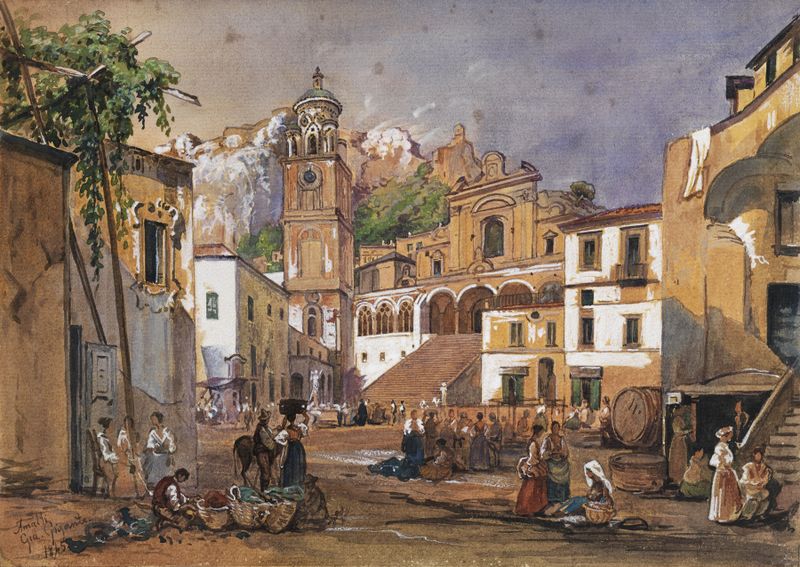
Market scene in Amalfi
Giacinto Gigante

Baja
Giacinto Gigante





