
The Virgin and Child with St Anne — History & Facts
Beneath the serene expressions lies a tension that hums like a drawn bow, hinting at the fear of impending loss and the fragility of life. In this sacred moment, the Virgin Mary, tenderly cradling the Christ Child, is enveloped in a protective embrace, yet the shadows around them whisper of vulnerability. Look to the central figures, where the gentle curve of Mary's hand softly touches the child’s cheek, bringing forth an immediate connection that draws the viewer in. Notice how the flowing robes are rendered in rich, deep hues of blue and red, contrasting with the lighter palette of St.
Anne, who stands slightly behind, her gaze filled with quiet strength. The careful placement of these three figures creates a triangular composition, guiding the eye and establishing a sense of harmony, even as the underlying fear of separation lingers in the air. Delve deeper into the expressions; Mary’s serene face masks an inner turmoil, while St. Anne's watchful demeanor suggests a protective instinct over both her daughter and grandson.
The juxtaposition of the soft, delicate features against the looming, dark background evokes a sense of foreboding, reminding us that even in moments of affection, the specter of loss can never be far away. Each detail, from the intricate folds of the garments to the tender gaze shared, amplifies the emotional weight of the painting. Created between 1500 and 1525, the artist remains unknown, yet this work embodies the transition toward a greater focus on emotion and human experience within the art of the time. During this period, Europe was steeped in Renaissance ideals, exploring themes of familial bonds and spirituality against a backdrop of societal upheaval and religious transformation.
The painting reflects this cultural zeitgeist, capturing an intimate, poignant moment amidst the broader complexities of life.
More Artworks by Unknown Artist
Browse all →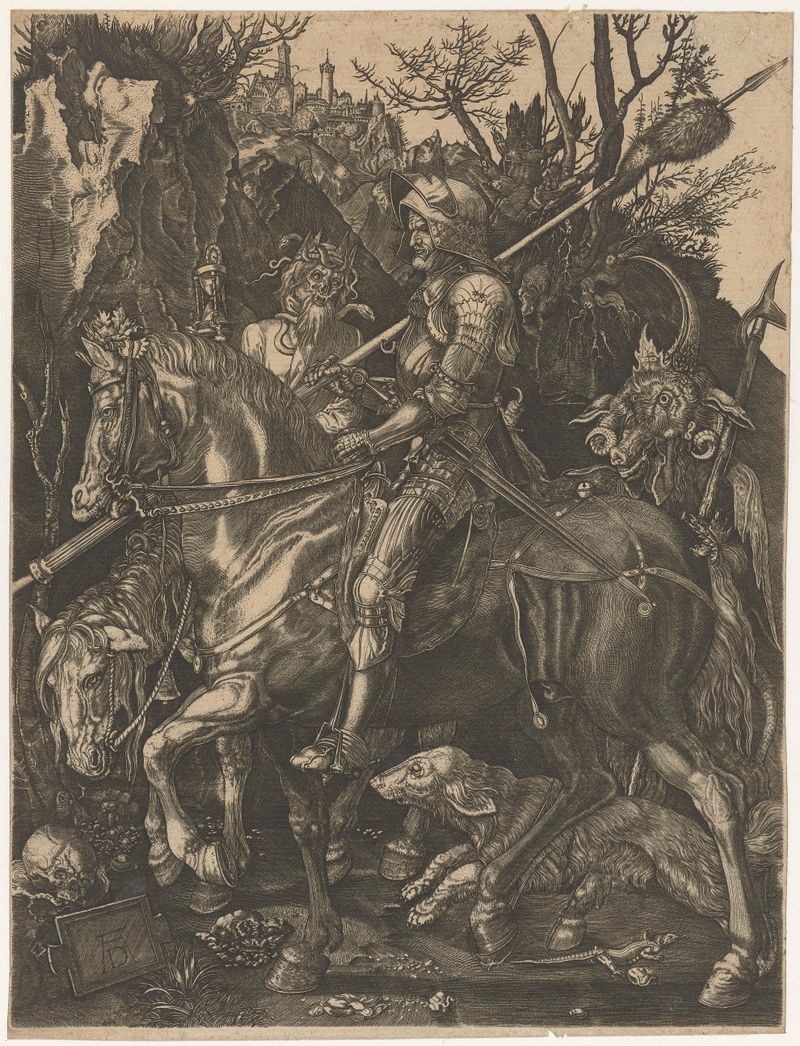
Ridder, Dood en Duivel
Unknown Artist
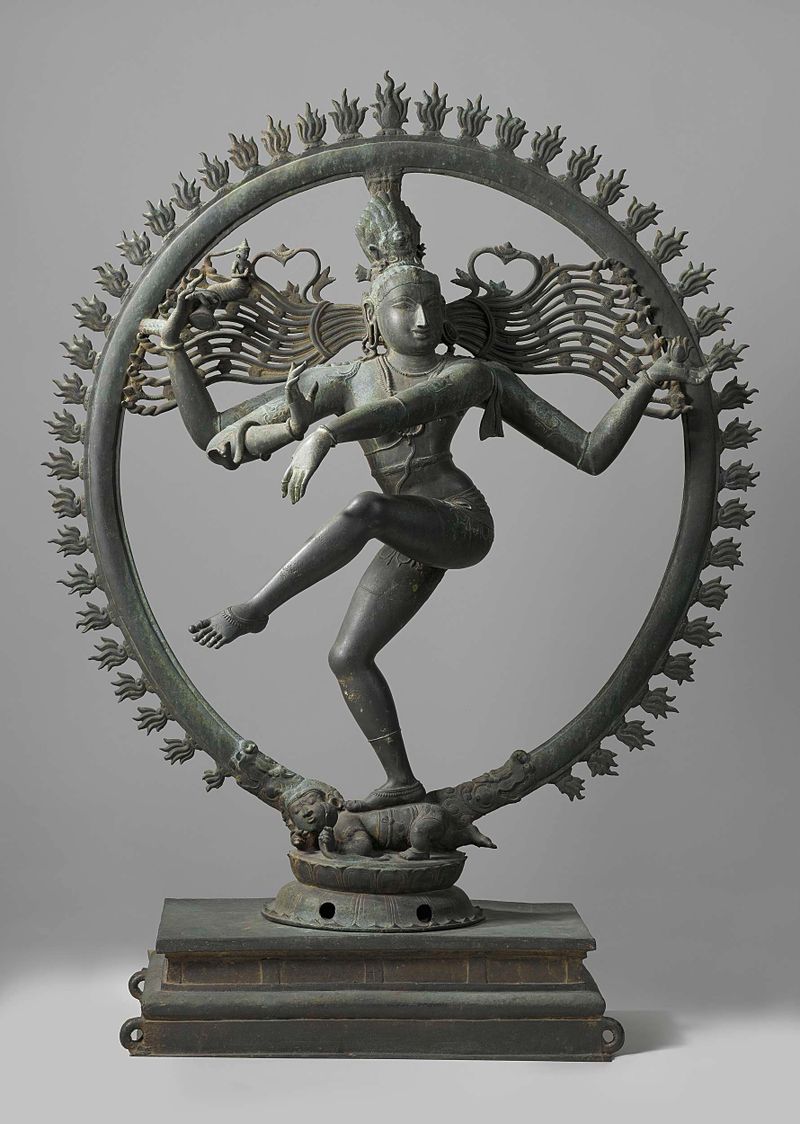
Shiva Nataraja
Unknown Artist
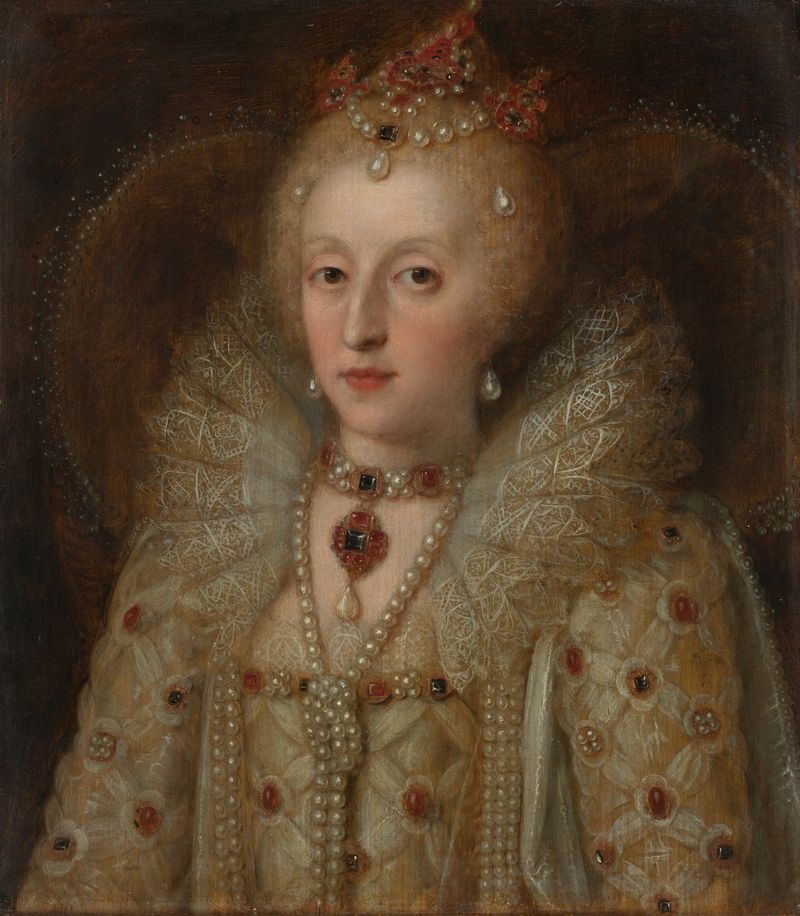
Portrait of Elizabeth I, Queen of England
Unknown Artist
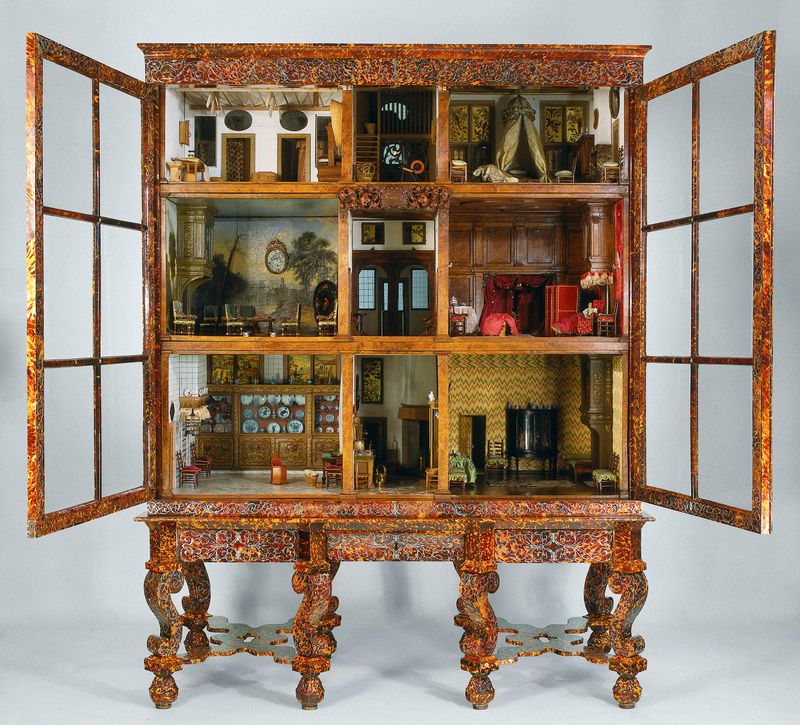
Dolls’ house of Petronella Oortman
Unknown Artist
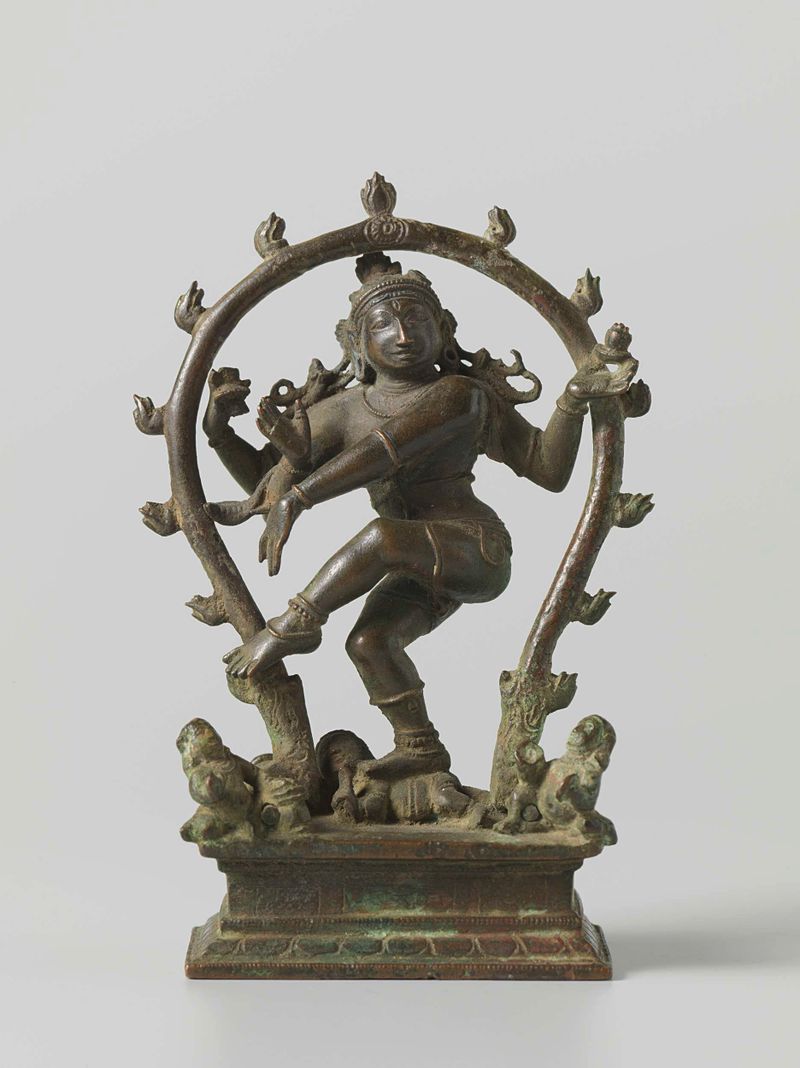
Shiva Nataraja
Unknown Artist

The Tale of Genji
Unknown Artist

The Tale of Genji
Unknown Artist

Cong
Unknown Artist
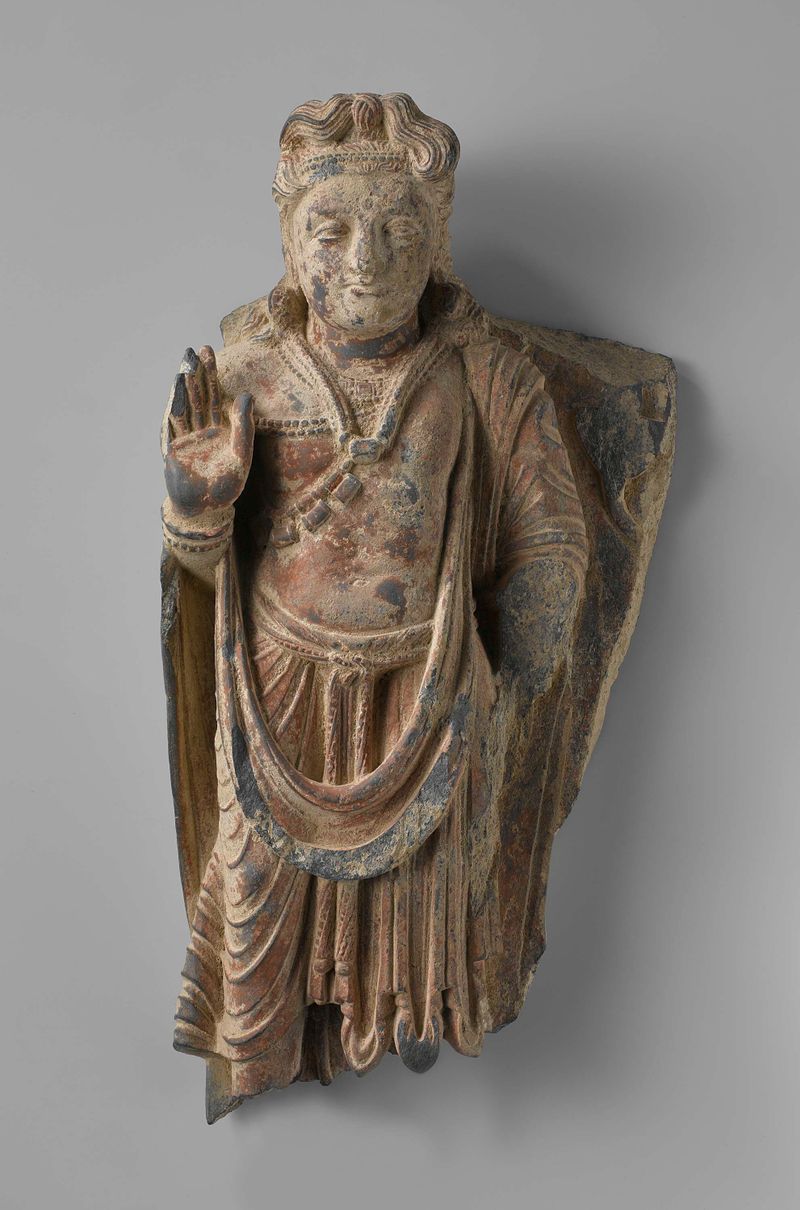
The bodhisattva Maitreya
Unknown Artist

Teabowl with a 'hare's fur' glaze
Unknown Artist
More Religious Art
Browse all →
The Return of the Prodigal Son
Rembrandt van Rijn

The Garden of Earthly Delights
El Bosco

Count Orgaz’ funeral
El Greco

The Hundred Guilder Print: the central piece with Christ preaching, the plate arched
Rembrandt van Rijn

The Descent from the Cross
Rogier van der Weyden

The return of the prodigal son
Rembrandt van Rijn