The Whole Soul Summed Up — History & Facts
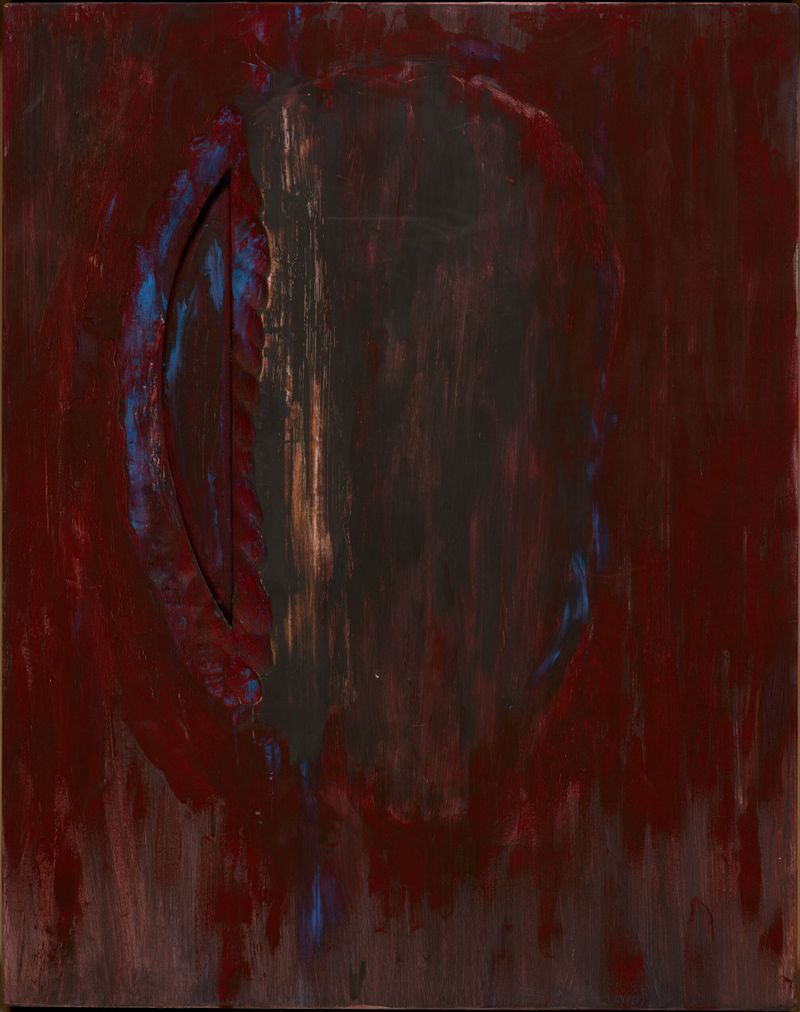
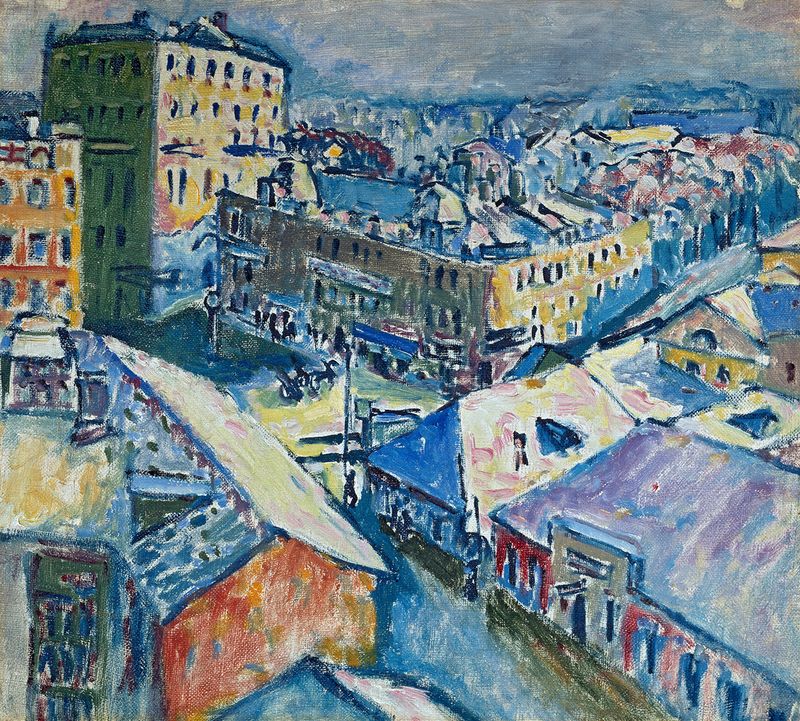
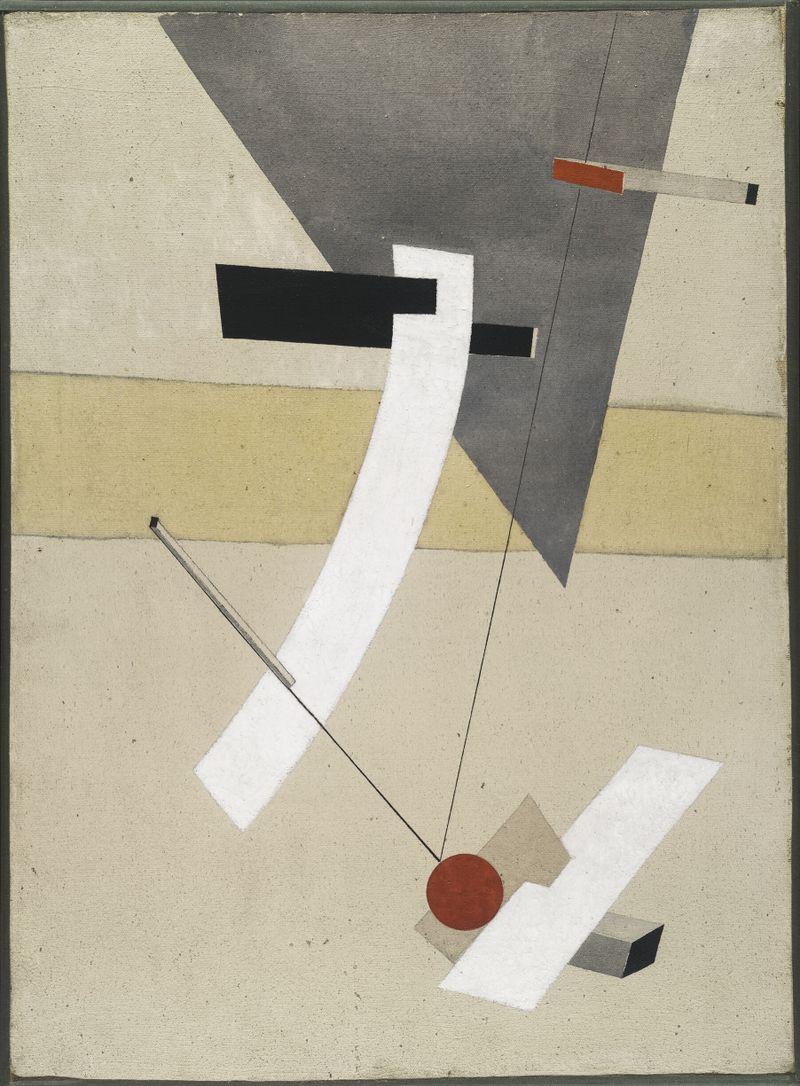
In the quiet interplay of form and light, a revelation unfolds, inviting the viewer to explore the depths of existence and connection. Look closely at the textured surface, where layered transparencies create a dance of shadows and luminous highlights. Notice how the pulsing energy of the piece emerges from the central form, a symphony of harmonious lines that seem to resonate with the very essence of life itself. The cool blues and warm ochres mingle, suggesting an emotional spectrum that transcends the canvas, facilitating a dialogue between the observer and the art. Beneath the surface, intricate details reveal profound tensions.
The deliberate juxtaposition of smooth and rough edges reflects the complexity of human experience—beauty intertwined with struggle. The central figure, both inviting and remote, embodies the notion of vulnerability, and yet the surrounding space conveys an infinite depth, hinting at a larger world beyond. This delicate balance evokes a sense of longing and introspection, prompting the viewer to contemplate their own emotional landscape. Christopher Wilmarth created this striking work during a transformative period, from 1981 to 1982, while living in New York.
This era was marked by a burgeoning interest in minimalism and the exploration of materiality in art. As he navigated personal challenges and artistic evolution, he embraced the dialogue between form and void, ultimately encapsulating a vision that continues to resonate with audiences today.