The Willow — History & Facts
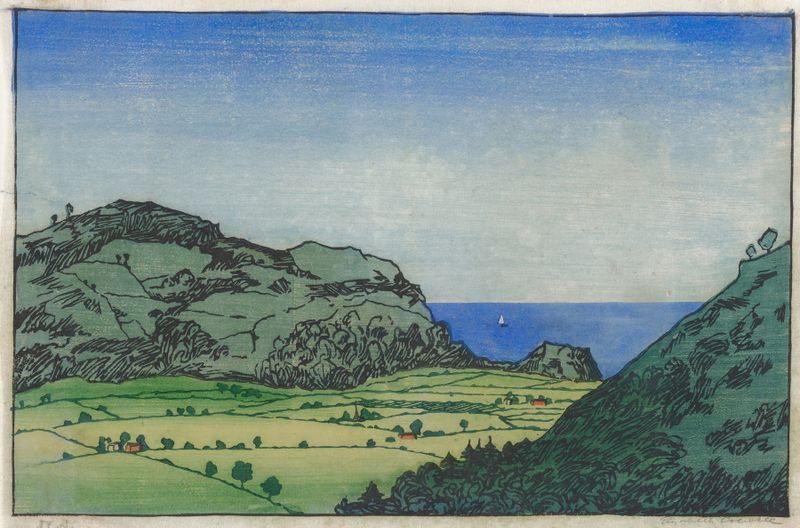
Could a single brushstroke hold eternity? In Elizabeth Colwell’s The Willow, layers of paint evoke not just a scene, but the profound loneliness that lingers in the spaces between moments. This artwork invites the viewer to ponder the weight of solitude and the beauty that can emerge from it. Look to the left at the gracefully arching branches of the willow, their gentle curves creating a sense of both shelter and entrapment. The muted greens and soft browns wash over the canvas, establishing a serene yet melancholic atmosphere.
Notice how the light filters through the leaves, catching hints of gold and illuminating the scene with a delicate glow that contrasts sharply with the shadows below. Each brushstroke is deliberate, exuding both skill and emotional depth, drawing the eye into a quiet contemplation. Within this landscape, hidden meanings emerge through subtle contrasts. The willow, a symbol of resilience, stands solitary against a backdrop of emptiness, suggesting a deep emotional resonance.
The interplay of light and shadow captures the essence of hope intertwined with despair. The stillness of the scene invites reflection on the dichotomy of connection and isolation, revealing the artist's own contemplation of the human condition. In 1906, Colwell created this piece amidst a flourishing yet challenging period for women in the arts. Living in an era that grappled with social change, she was part of a movement that sought to give voice to female experiences.
As she painted The Willow, Colwell navigated her own artistic journey, adding layers of personal significance to the tranquil yet poignant scene before us.