Theekist met twee theebussen en een mengbus — History & Facts
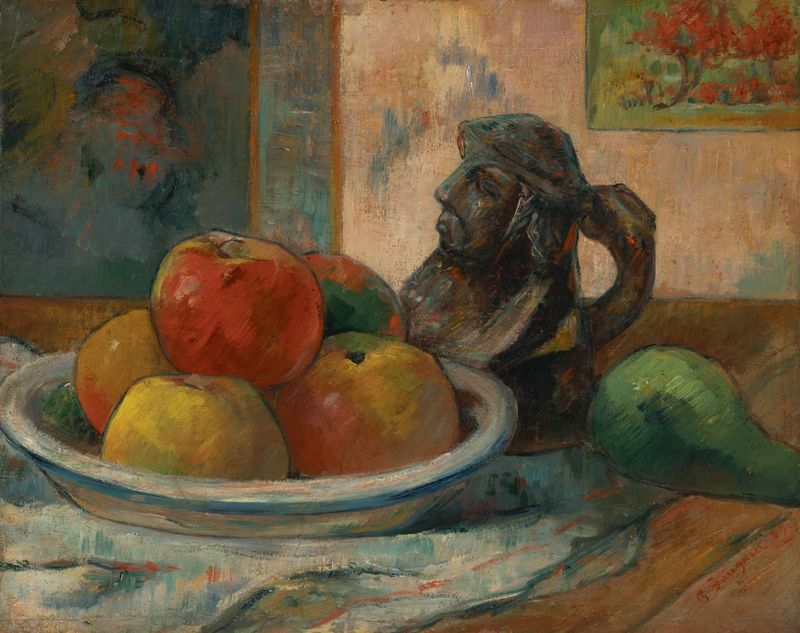
In the stillness of a moment captured, reflections dance uneasily between perception and reality. Here, a simple composition invites us to ponder the layers beneath the surface, revealing the transient beauty of everyday objects. Look to the left at the delicate teabuses, their intricate details reflecting the artistry of the time. Notice how the soft, muted hues of the porcelain contrast with the warmth of the wooden table beneath.
The gentle play of light creates a serene atmosphere, emphasizing the quiet elegance of these objects while inviting the viewer to explore the nuances they hold. At first glance, the painting may seem purely still life, yet deeper examination unveils an exploration of existence and the passage of time. The teabuses, symbols of domesticity, contrast with the unfilled mixing bowl nearby—an emblem of potential and the unknown. Each object silently speaks of human experience, whether in their utility or in the moments of connection they enable, urging us to reflect on how the mundane can resonate with deeper meaning. Created in 1785, this work emerged from Bruné's studio during a period marked by a growing appreciation for the subtleties of domestic life in art.
At this time, the artist was delving into still lifes, responding to the Enlightenment's emphasis on reason and clarity. This piece showcases not only his skill in rendering form and light but also the evolving perspectives of a world fascinated by both the ordinary and the profound.