Theresienwiese — History & Facts
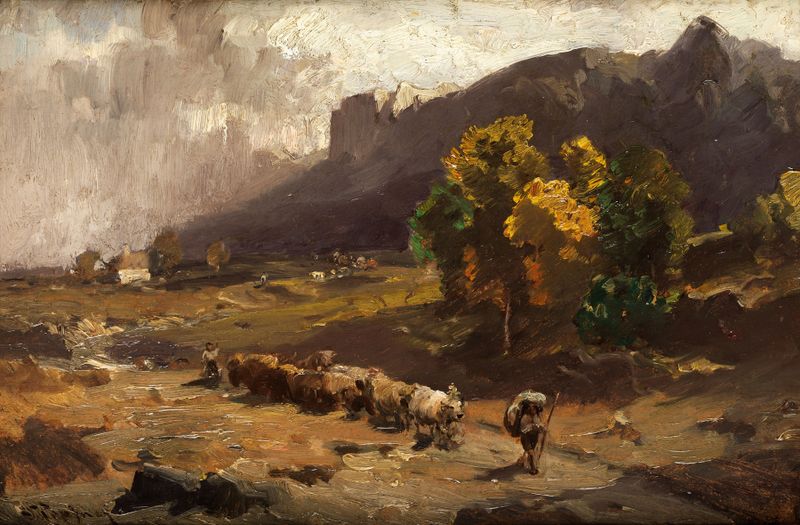
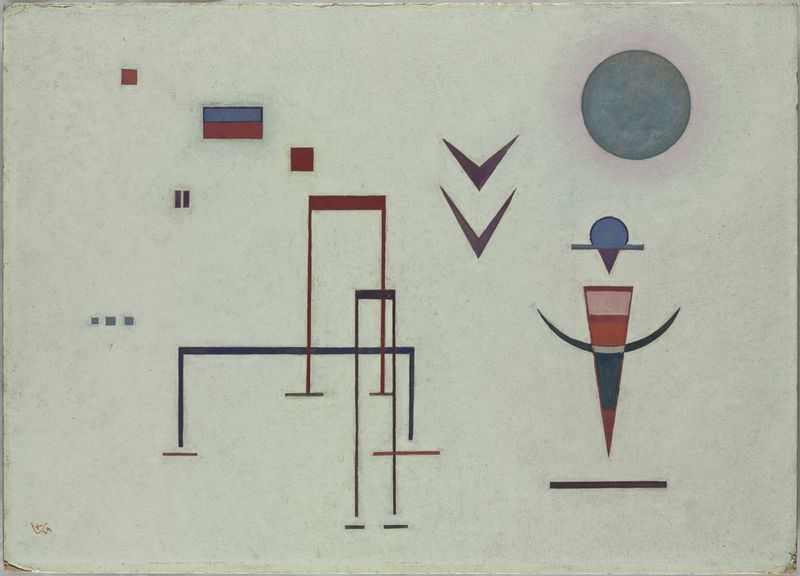
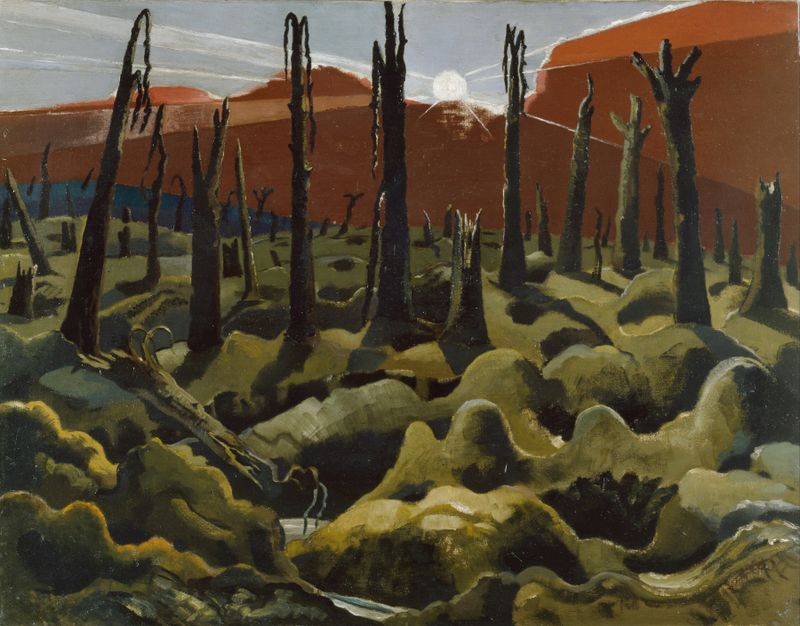
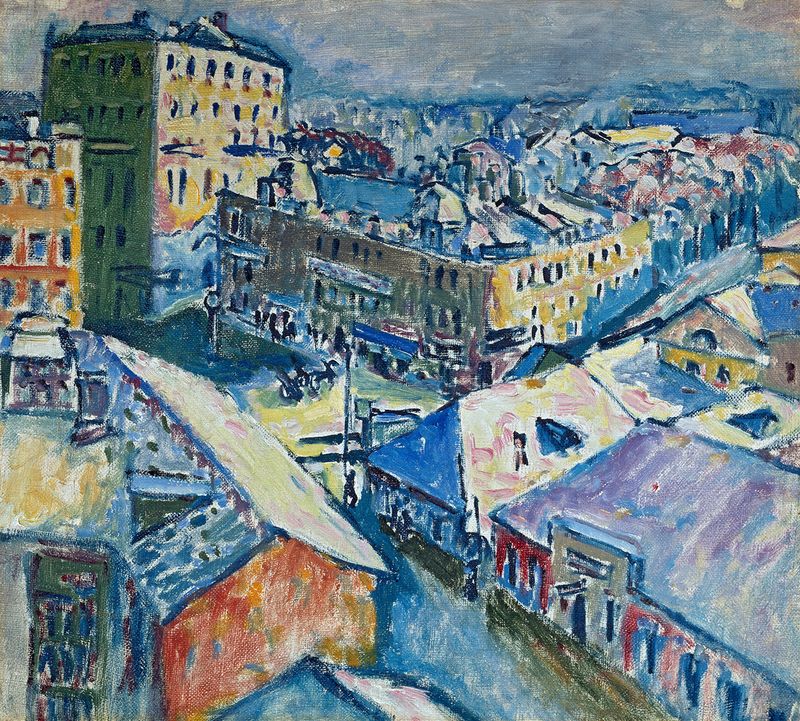
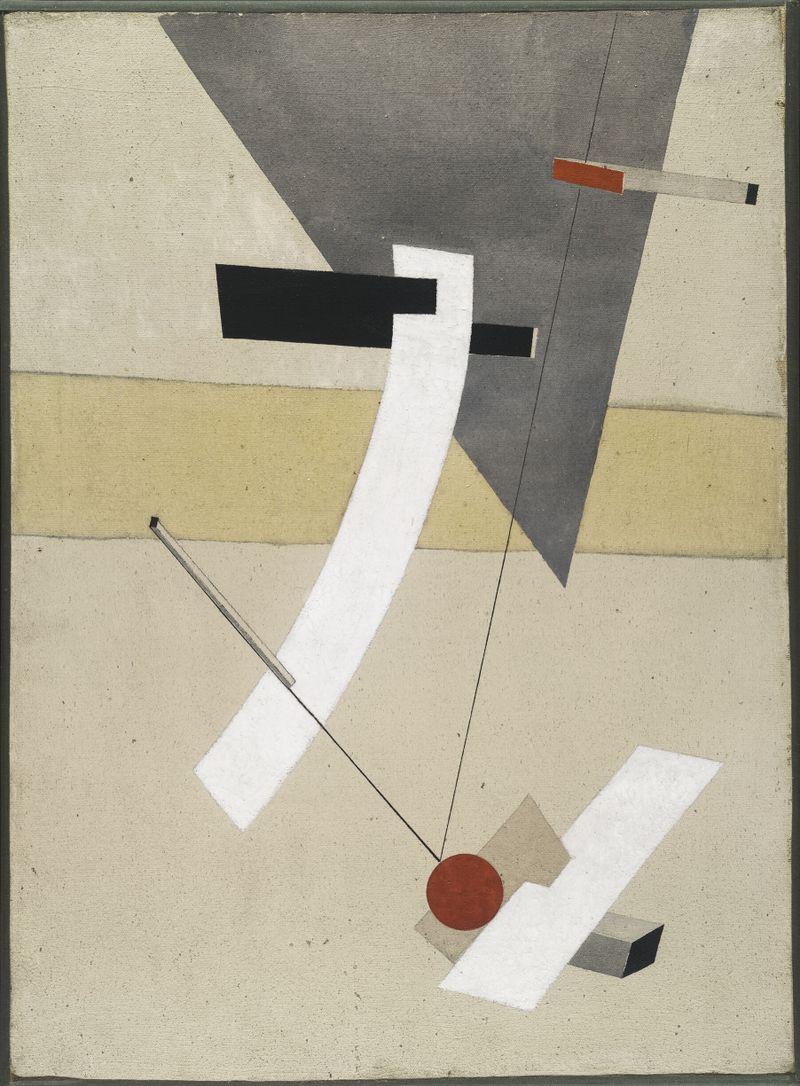
Is this a mirror — or a memory? In the stillness of Theresienwiese, visceral echoes of violence linger beneath the surface, inviting contemplation on the duality of celebration and destruction. To fully appreciate the work, look to the center where vibrant colors clash, encapsulating a chaos that draws the eye. Notice how jagged lines ripple outward, suggesting the turmoil of a festival overshadowed by unrest. The contrasting hues of deep reds and stark blacks create an unsettling atmosphere, as if the joyous scenes are tinged with an undercurrent of dread.
The artist’s bold brushstrokes impart a sense of movement, while the overarching composition, a swirling dance of light and shadow, evokes the feeling of something teetering on the brink. Delve deeper into the chaos, and you’ll uncover the interplay of contrasting emotions. The celebration hinted at by the vivid colors is laced with disquiet, as if the joy is merely a façade for underlying pain. Details in the edges of the canvas reveal ghostly figures, suggesting that those who once inhabited the space have been irrevocably altered by violence, leaving behind only traces of their existence.
This tension invites the viewer to grapple with the complexity of memory—how joy and sorrow can coexist in the same moment. Created at an uncertain time in the artist’s life, Theresienwiese reflects the turbulence of the post-war era in Europe. The precise date is unknown, but Wopfner’s work is rooted in the socio-political climate of the mid-20th century, where celebrations often masked deeper societal wounds. Amidst this chaos, his art stands as a testament to the intricate relationship between festivity and the specter of violence, reminding us that memory holds the power to transform our perceptions of reality.