Thirlmere Lake, Cumbria — History & Facts
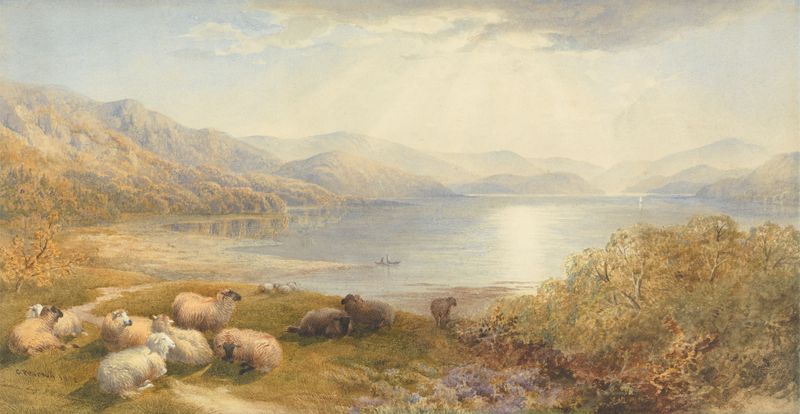
In the stillness of Thirlmere Lake, Cumbria, a profound connection between nature and reflection unfolds, revealing layers of existence beneath the surface. Look to the center of the canvas, where the lake's glassy surface mirrors the soft hues of the surrounding landscape. The gentle strokes of blue and green blend seamlessly, creating a tranquil ambiance that envelops the viewer. Notice how the artist employs light to illuminate the trees, casting elongated shadows that stretch gracefully into the water, while a delicate fog hovers delicately at the horizon, softening the edges of the scene. The juxtaposition of vibrant earth tones against the serene blues speaks volumes about the harmony between land and water.
Each ripple seems to whisper secrets, suggesting an unseen world just below the surface. The quietude invites introspection, evoking themes of solitude and the passage of time, as if the lake itself holds memories of every moment that has graced its shores. The subtle interplay between color and reflection encourages viewers to ponder what lies beneath the tranquil veneer. Cornelius Pearson painted this work in 1856 while residing in England’s scenic Cumbria.
During this period, the art world was transitioning into the Victorian era, where romanticism and realism began to blend. Pearson’s focus on landscapes and nature reflects a growing appreciation for the sublime beauty of the English countryside, capturing the essence of a moment in time when nature was revered and celebrated.