
Toyokuni shrine dedicated to Toyotomi Hideyoshi — History & Facts
The allure of this piece beckons yet conceals a narrative of fear and reverence, a tension that invites the viewer to explore deeper realms of emotion. Look just to the left of the canvas, where the shrine rises majestically against a backdrop of muted tones. The ochre and deep browns juxtapose with vibrant gold details that catch the light, giving the piece an ethereal glow. As your gaze travels upward, note how the delicate lines of the architecture are meticulously crafted, each curve and angle a testament to the artist's dedication, while shadows loom ominously around the shrine, evoking a sense of unease that contrasts with its beauty. Within this seemingly tranquil representation lies a deeper commentary on legacy and mortality.
The shrine, though a site of veneration for the celebrated Hideyoshi, stands as a reminder of the fragility of power and the weight of history. The fear of loss permeates the work, resonating through the juxtaposition of the glorious golden embellishments and the oppressive dark hues that surround them. This tension between light and shadow underscores the inevitability of decay, revealing a paradox at the heart of ambition. Akamatsu Rinsaku painted this significant work in 1947, during a time of profound change in Japan following World War II.
The country was grappling with its identity, attempting to reconcile its illustrious past with a tumultuous present. In this period of reconstruction, the artist sought to honor the cultural heritage encapsulated in the shrine, while simultaneously reflecting the deeper fears and uncertainties that accompanied a nation in transition.
More Artworks by Akamatsu Rinsaku
Browse all →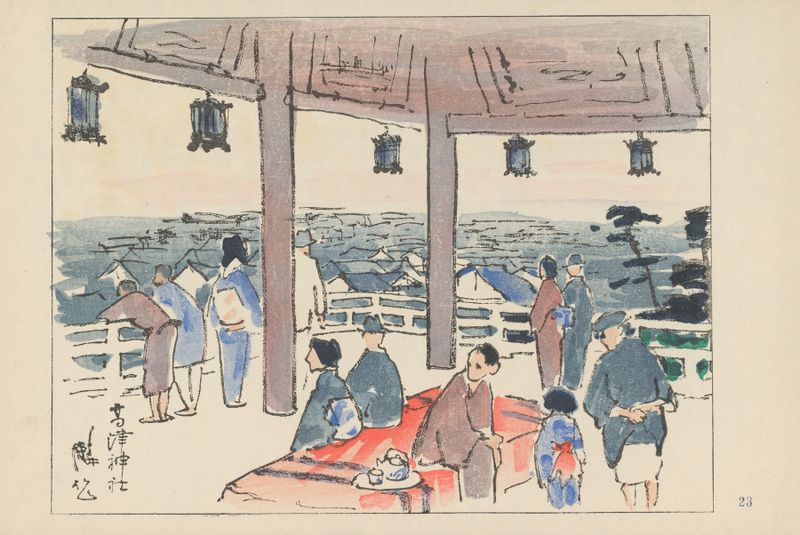
Kozu shrine dedicated to Nintoku Emperor
Akamatsu Rinsaku
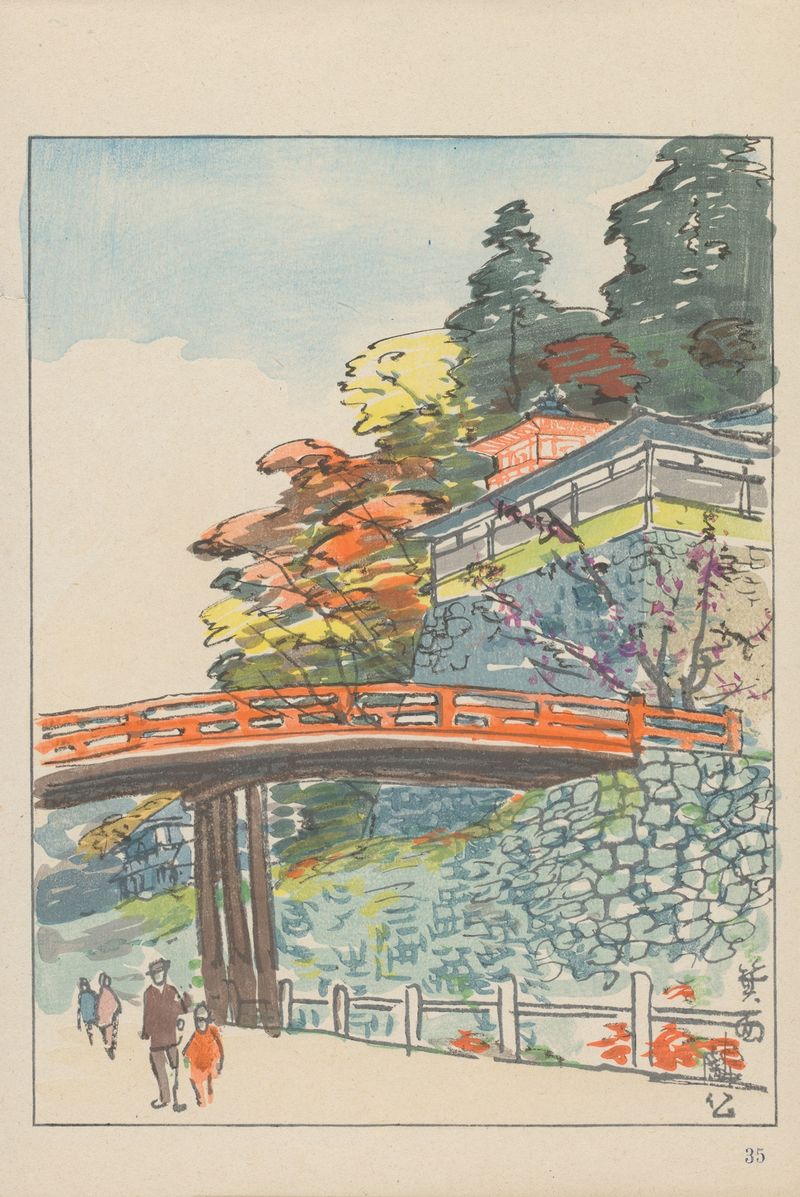
Minoo, National Park
Akamatsu Rinsaku

Tsumura betsuin, the agency of Nishi-honganji
Akamatsu Rinsaku
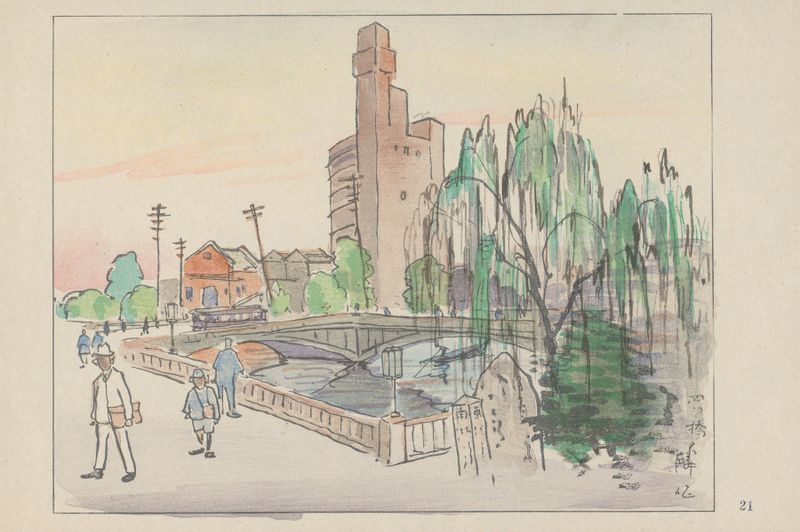
Yotsubashi, four joint bridges
Akamatsu Rinsaku
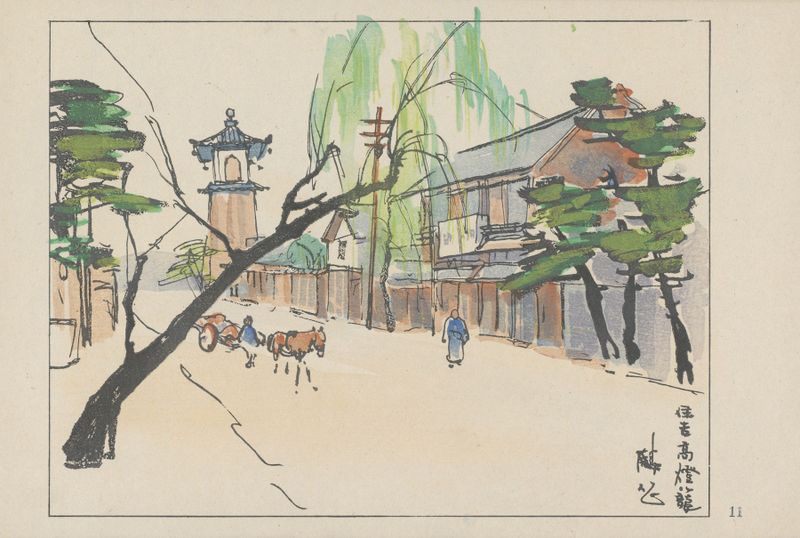
The high lanton at Sumiyoshi, a light house in older time
Akamatsu Rinsaku
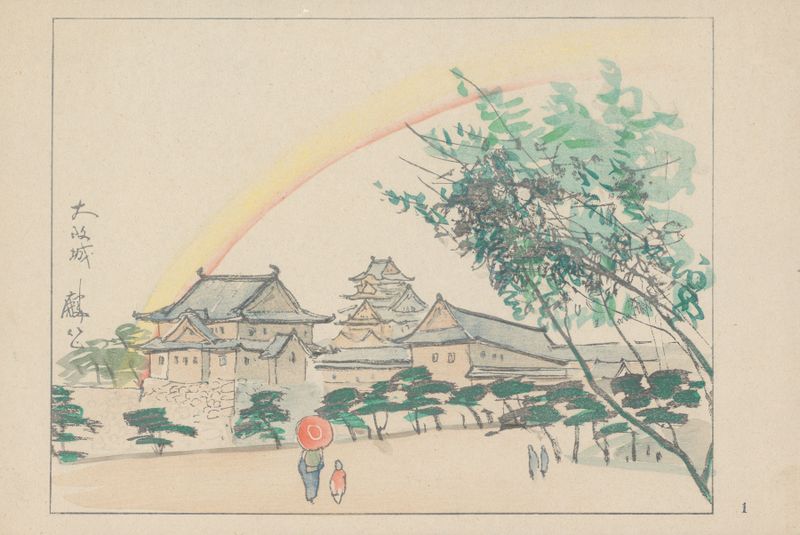
Osaka Castle, built by Toyotomi Hideyoshi in 1585 A.D
Akamatsu Rinsaku
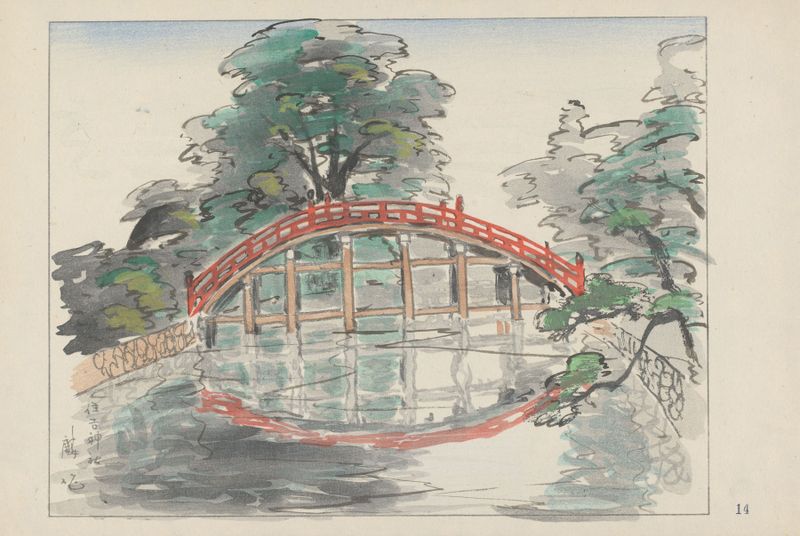
Sumiyoshi Shinto shrine
Akamatsu Rinsaku
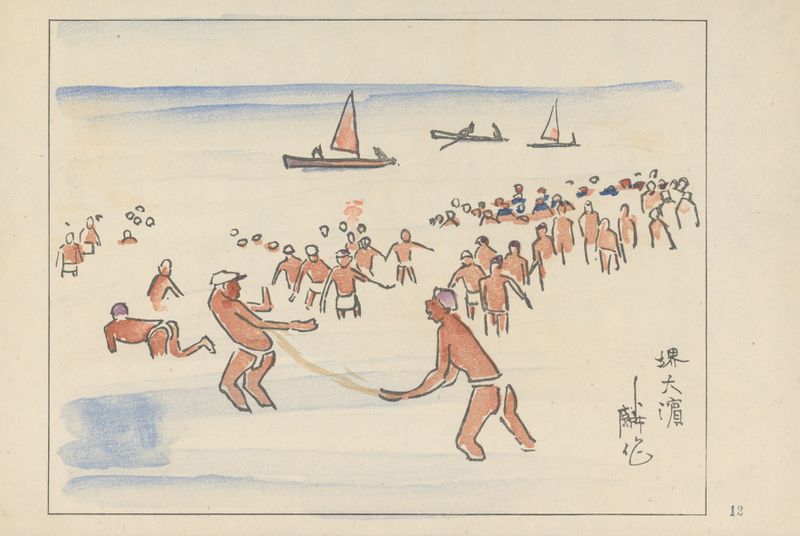
Sakai Ohama, swiming beach
Akamatsu Rinsaku

Kawaguchi, the estuary of Yodo river
Akamatsu Rinsaku
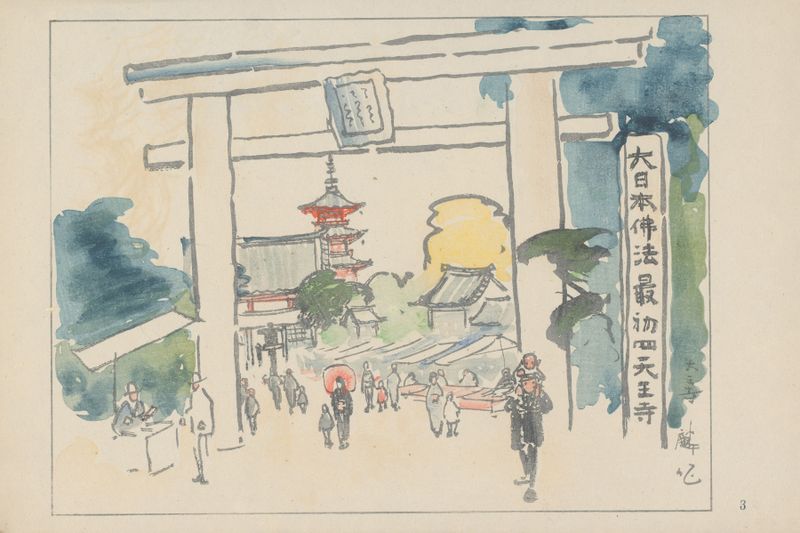
Shitennoji temple, built by Prince Shotoku in 587 A.D
Akamatsu Rinsaku
More Religious Art
Browse all →
The Return of the Prodigal Son
Rembrandt van Rijn

The Garden of Earthly Delights
El Bosco

Count Orgaz’ funeral
El Greco

The Hundred Guilder Print: the central piece with Christ preaching, the plate arched
Rembrandt van Rijn

The Descent from the Cross
Rogier van der Weyden

The return of the prodigal son
Rembrandt van Rijn