Tracks and Traffic — History & Facts
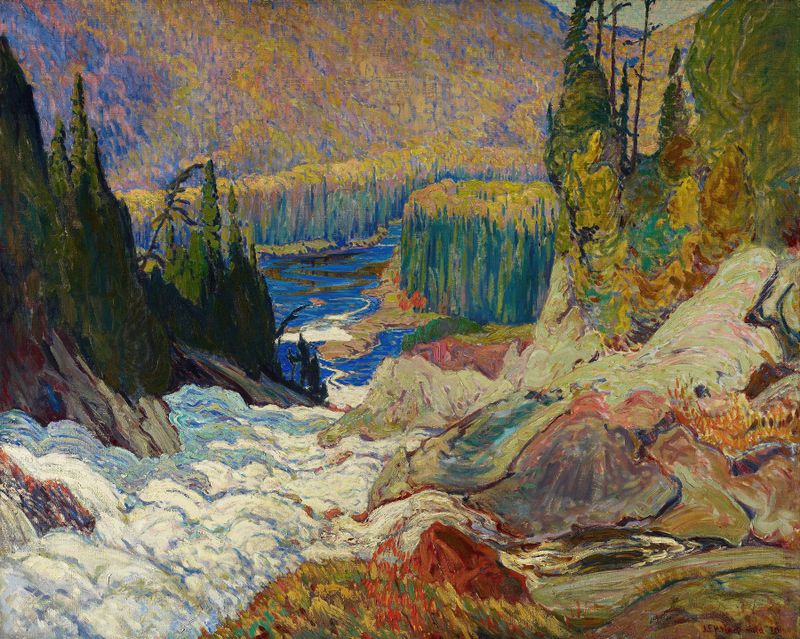
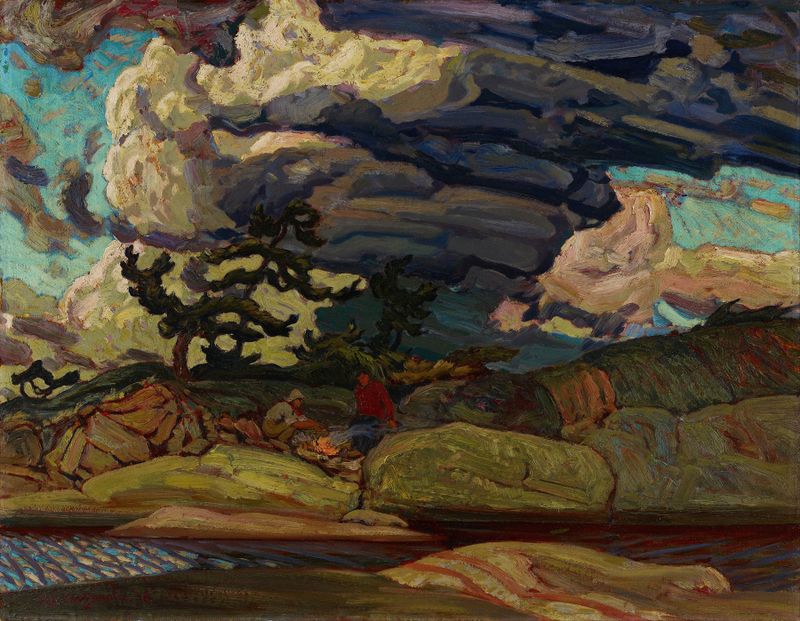
In the midst of solitude, the heart often finds itself navigating a landscape of quiet chaos. This painting encapsulates that tension, merging the feel of loneliness with the rhythm of urban life, creating a dialogue between isolation and connection. Look to the left at the railway tracks stretching into the distance, leading the eye toward an unseen horizon. The lines create a pathway through the bustling scene, where sharp contrasts between dark shadows and vibrant light breathe life into the composition.
Hues of dull brown and grey evoke a melancholic atmosphere, while bursts of color in the figures and structures hint at the energy of the city. The brushwork, both deliberate and wild, captures the frenetic pulse of the environment. Delve deeper into the juxtaposition of the figures scattered across the canvas. Their postures suggest both movement and stillness, embodying the paradox of being surrounded yet alone.
Some pedestrians hasten forward, while others linger, creating a visual narrative of varying experiences in the same space. The solitary patches of light reveal hidden moments of reflection amidst the chaos, illuminating the emotion of loneliness that exists even in crowded places. James Edward Hervey MacDonald painted this work in 1912 while living in Canada, a time when the nation was transitioning from rural to urban life. He was influenced by the Group of Seven's focus on Canadian landscapes, yet his exploration of urban settings introduced a fresh perspective.
This painting reflects not only his artistic journey but also the broader societal shifts occurring at the time, capturing the essence of a changing world.