Travaux des champs — History & Facts
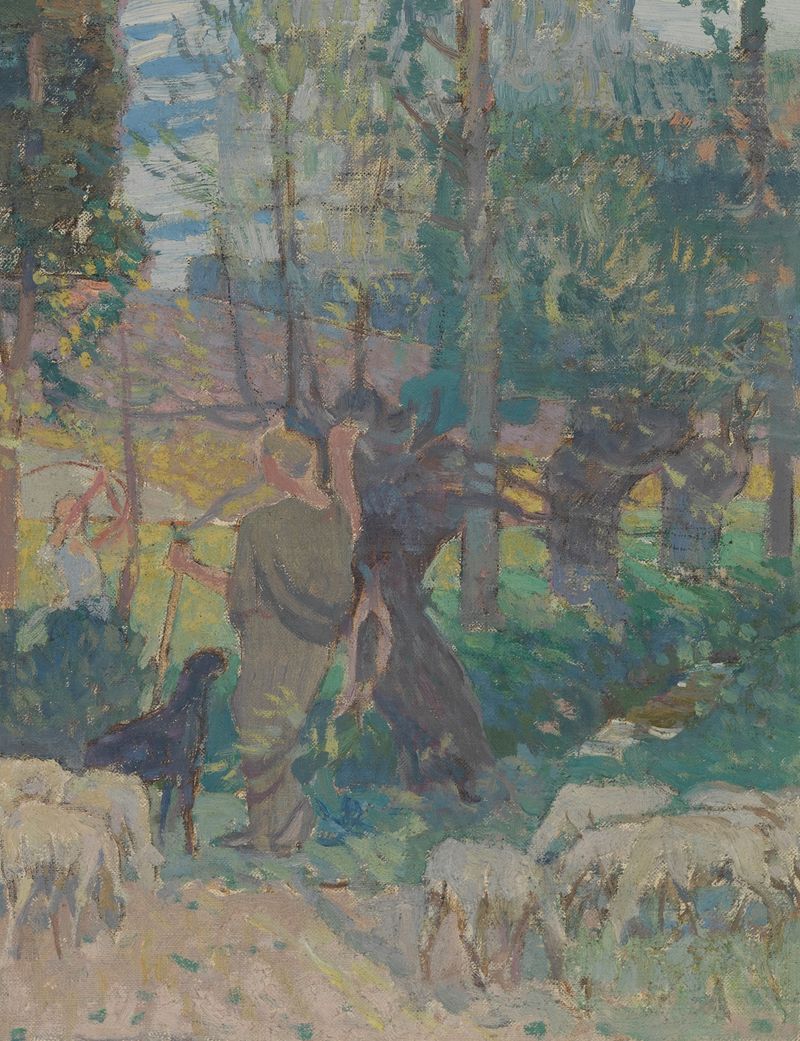
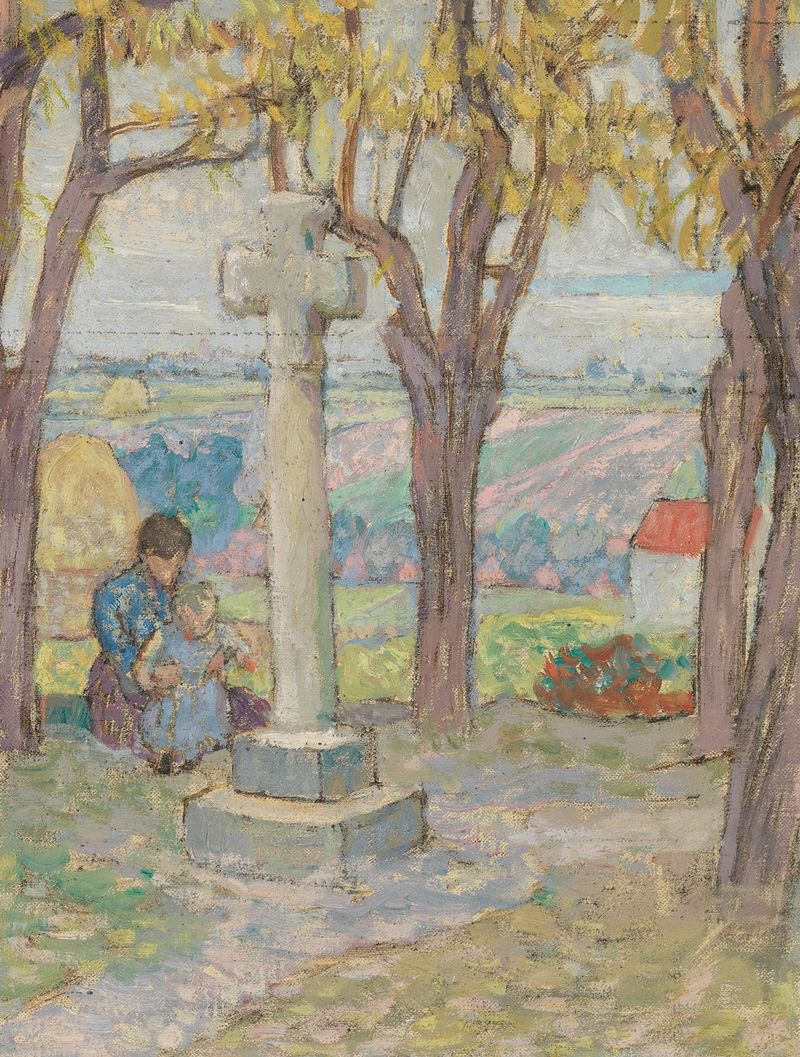
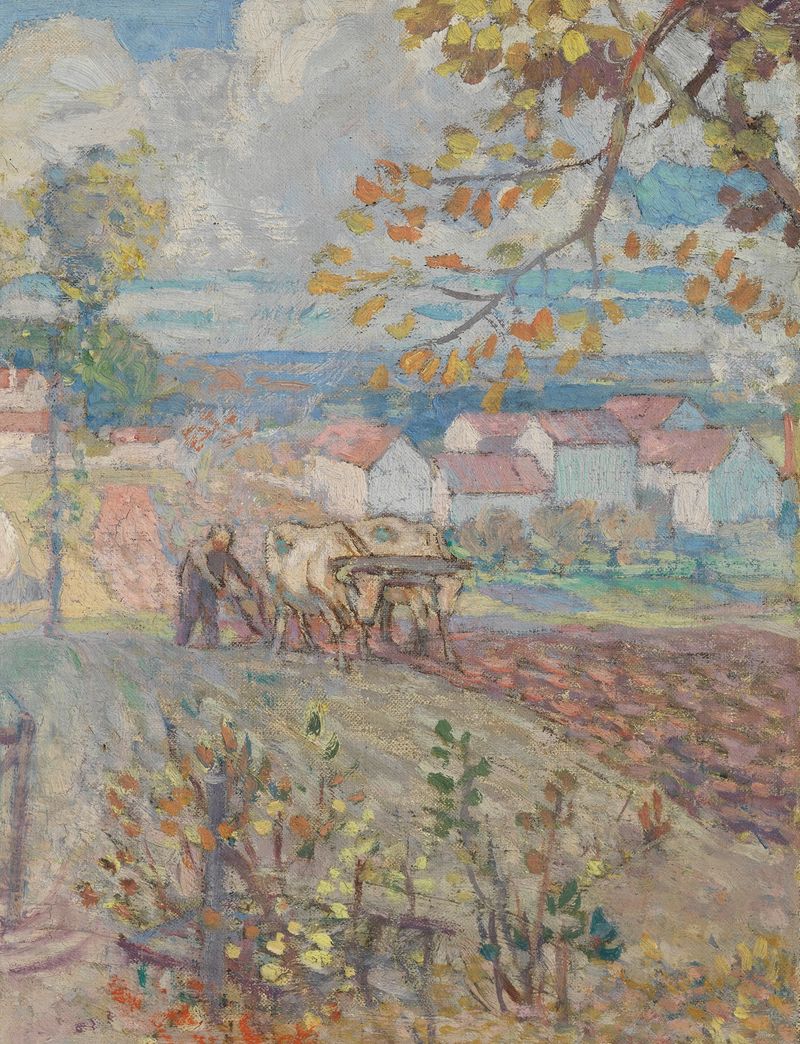
Is this a mirror — or a memory? In the swathes of color, the essence of labor and land intermingles, evoking both the toil of the present and the legacy of the past. Look to the left at the vibrant greens and ochers that dance across the canvas, suggesting the rhythm of nature and the sweat of hard work. The brushstrokes are thick yet delicate, allowing the fields to breathe while simultaneously conveying the weight of the harvest. Notice how the warm sunlight floods the scene, illuminating patches of soil where hands have labored, contrasting with the cool shadows that hint at the gathering dusk.
This interplay of light not only defines the landscape but also speaks to the duality of life — growth and decay intertwined. Beneath the surface lies a profound commentary on the cyclical nature of existence. The vivid colors symbolize hope and fertility, while the darker hues evoke a sense of nostalgia and loss. Small details, like the bent heads of workers and the distant horizon, suggest both the intimate connection to the earth and the inevitable passage of time.
The labor depicted is not just physical; it resonates with the emotional weight of heritage and legacy, urging viewers to reflect on their own roots and the stories embedded in their landscapes. Victor Menu painted this piece during a time of transition in the late 19th century, when industrialization began to reshape the French countryside. His works often reflected the profound changes in rural life while maintaining a deep respect for the agrarian past. This painting, though undated, captures that moment of tension — the blending of the old with the new, urging contemplation of what is being lost amid progress.