
Triptych with the Stoning of Saint Stephen and the Legend of the Finding of his Grave — History & Facts
In a world that rushes forward, art captures the haunting echoes of history, preserving the void left by lost moments. Focus first on the triptych's central panel, where the dramatic stoning of Saint Stephen unfolds. The stark contrast of vibrant reds and deep blacks draws the eye, framing the martyr's anguished expression against the chaos surrounding him. To the left, the softer hues of the second panel depict the gentle revelation of Saint Stephen's grave, its serene composition offering a poignant counterpoint to the violent scene.
The artist's meticulous detail in the figures' garments and the textures of stone and earth reveals an extraordinary command of their craft. The juxtaposition of violence and serenity in this work invites deeper reflection. The fervent gestures of the onlookers convey a disturbing fervor, reminding us of humanity’s capacity for cruelty, while the serene depiction of the grave suggests a longing for peace and redemption. This duality underscores the tension between life and death, faith and doubt, as each panel engages in a silent dialogue about the legacy of martyrdom and the inevitable passage of time. Created in 1554, this triptych emerged from a period where religious turmoil and conflict were prevalent across Europe.
The artist, whose identity remains unknown, crafted this piece amid the Reformation, a time of intense questioning of faith and tradition. Many artists during this era were grappling with the changing tides of religion and art, making this work a poignant reflection on the complexities of belief and sacrifice in a tumultuous historical context.
More Artworks by Unknown Artist
Browse all →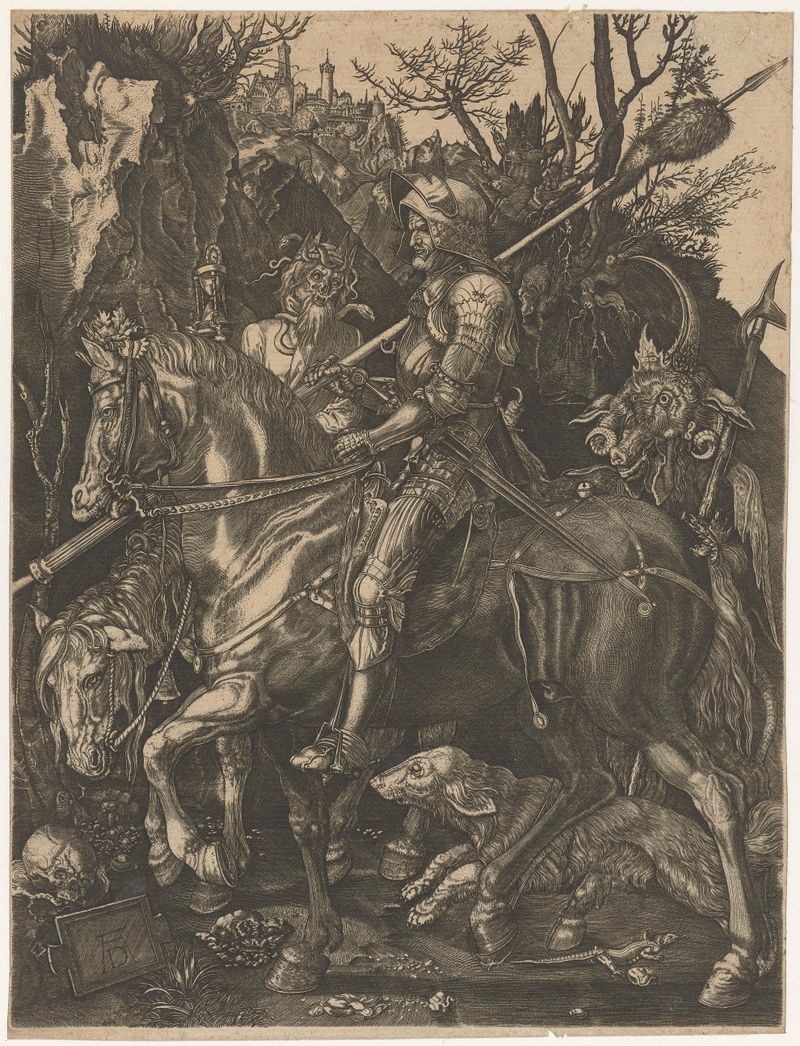
Ridder, Dood en Duivel
Unknown Artist
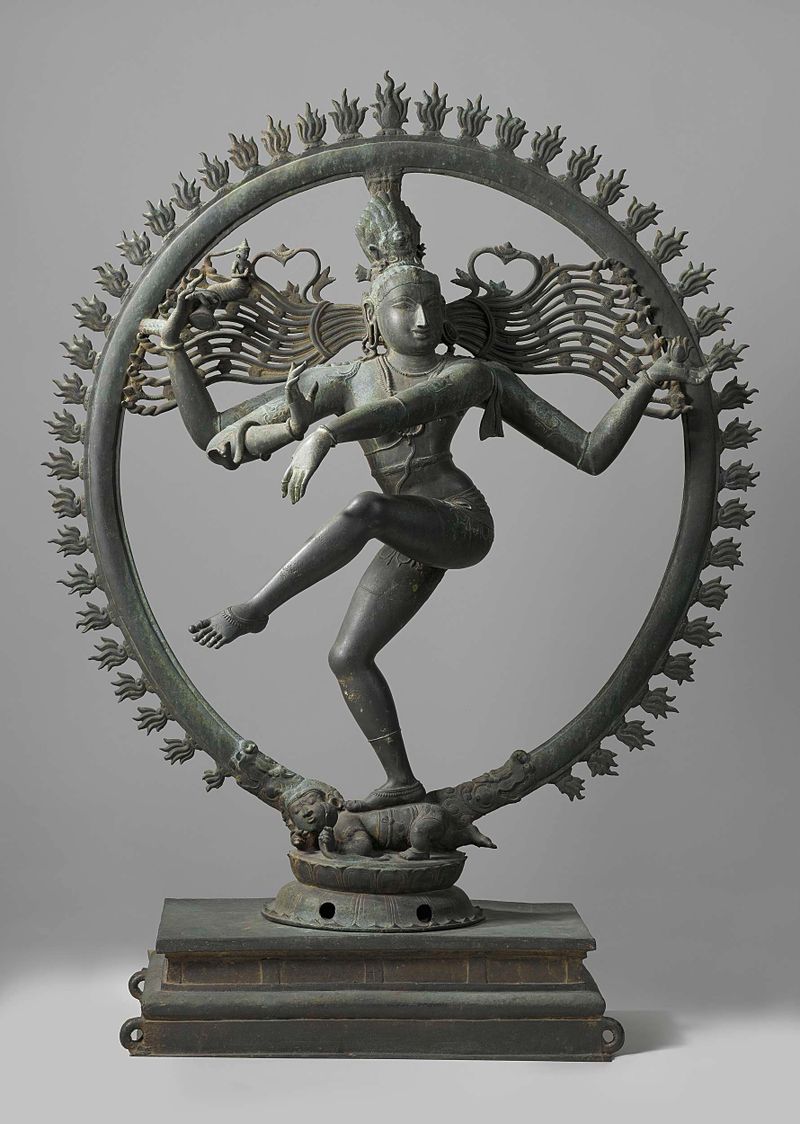
Shiva Nataraja
Unknown Artist
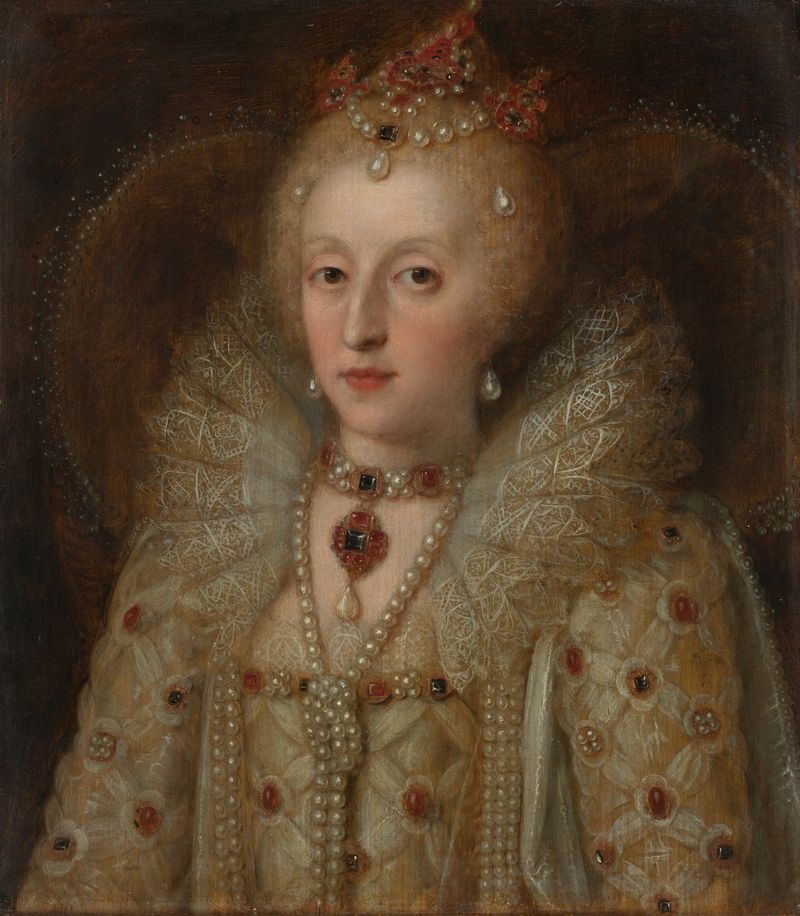
Portrait of Elizabeth I, Queen of England
Unknown Artist
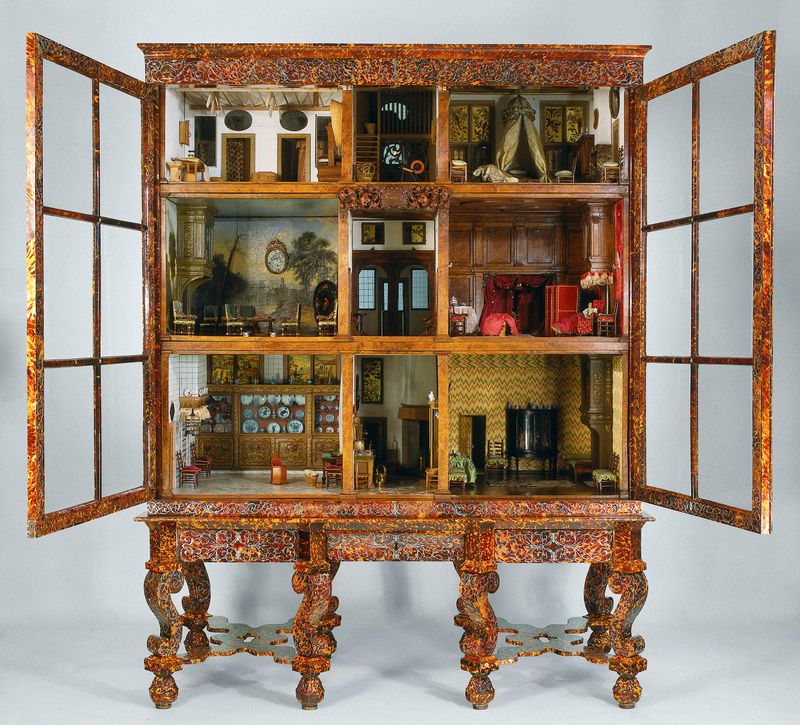
Dolls’ house of Petronella Oortman
Unknown Artist
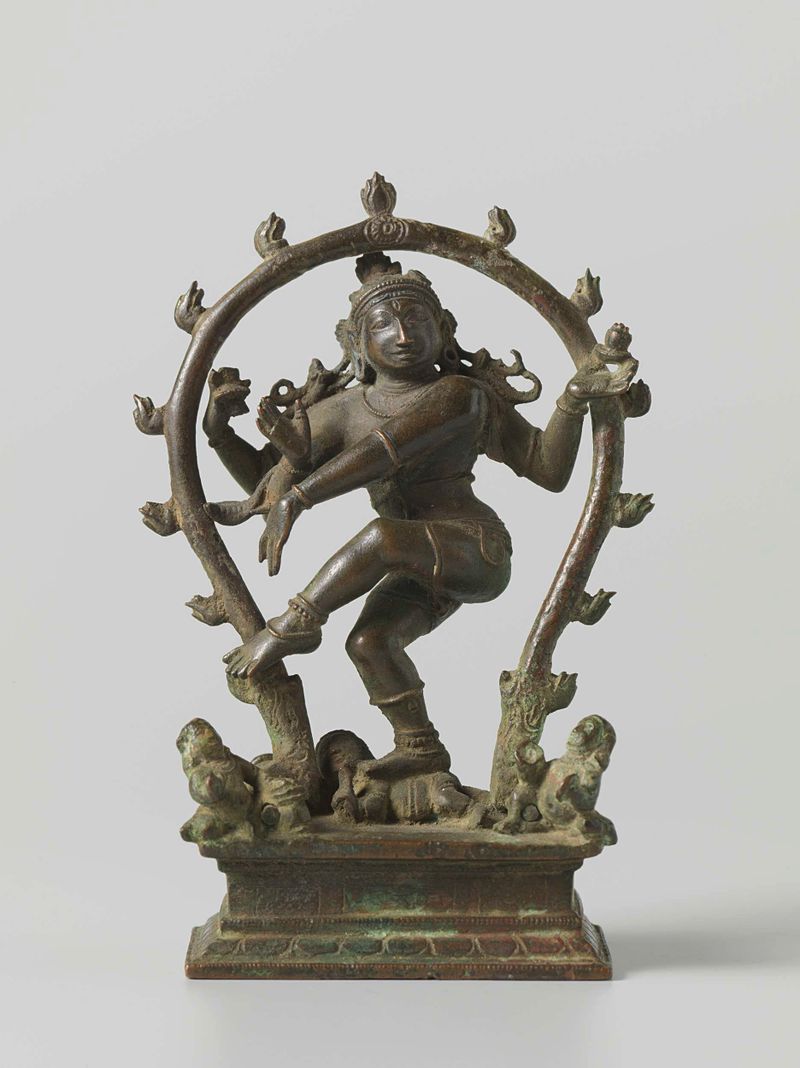
Shiva Nataraja
Unknown Artist

The Tale of Genji
Unknown Artist

The Tale of Genji
Unknown Artist
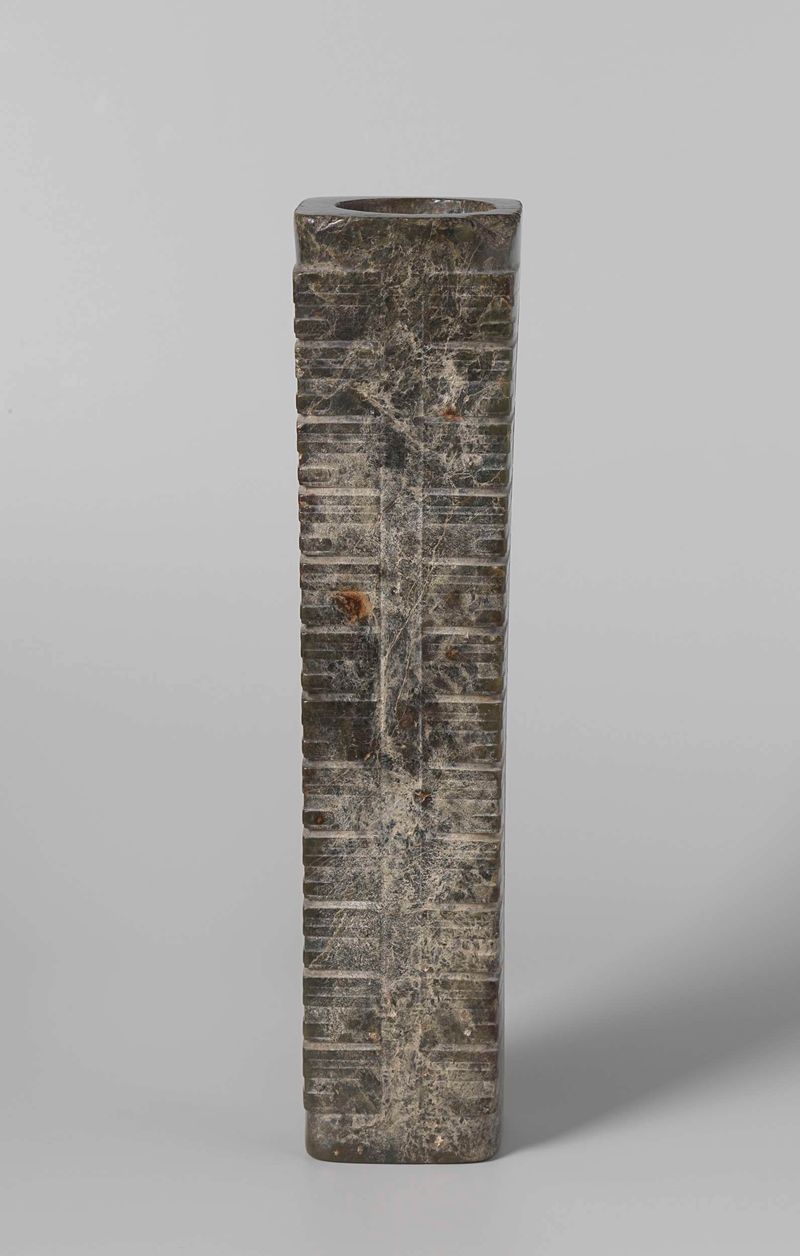
Cong
Unknown Artist
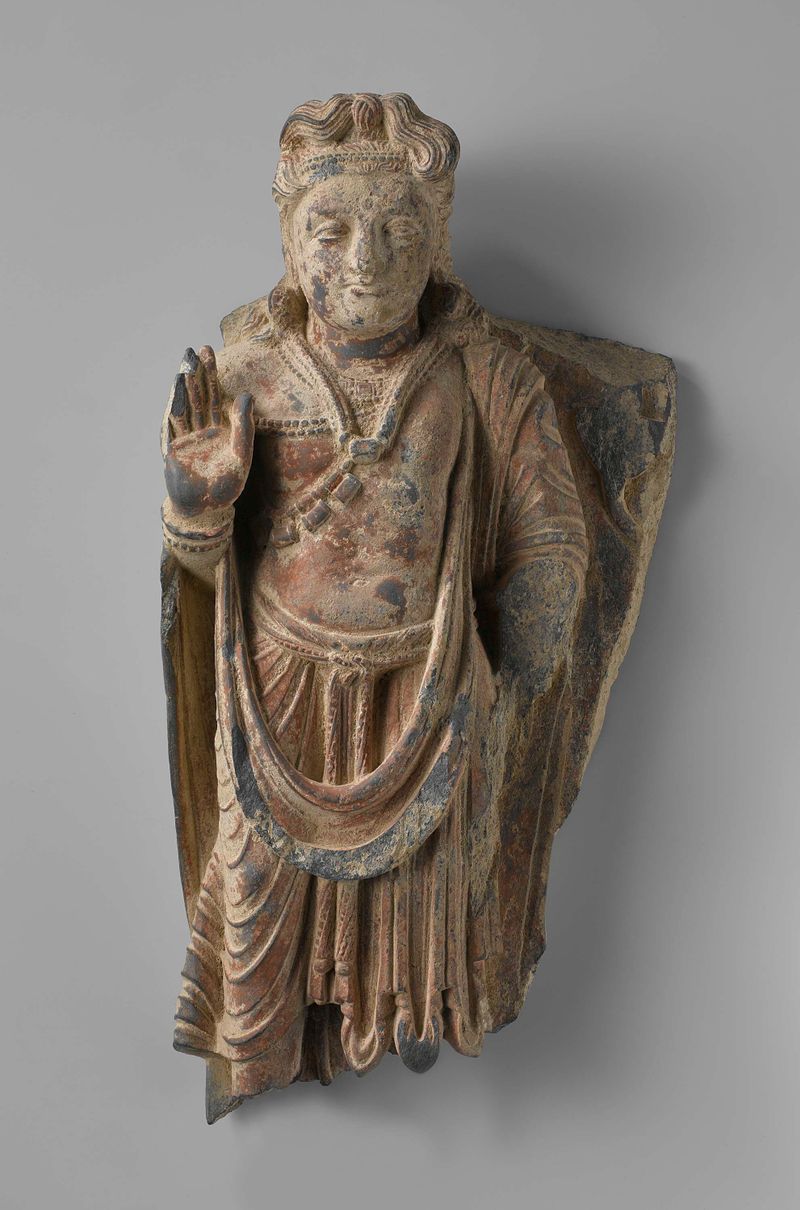
The bodhisattva Maitreya
Unknown Artist

Teabowl with a 'hare's fur' glaze
Unknown Artist
More Religious Art
Browse all →
The Return of the Prodigal Son
Rembrandt van Rijn

The Garden of Earthly Delights
El Bosco

Count Orgaz’ funeral
El Greco

The Hundred Guilder Print: the central piece with Christ preaching, the plate arched
Rembrandt van Rijn

The Descent from the Cross
Rogier van der Weyden

The return of the prodigal son
Rembrandt van Rijn