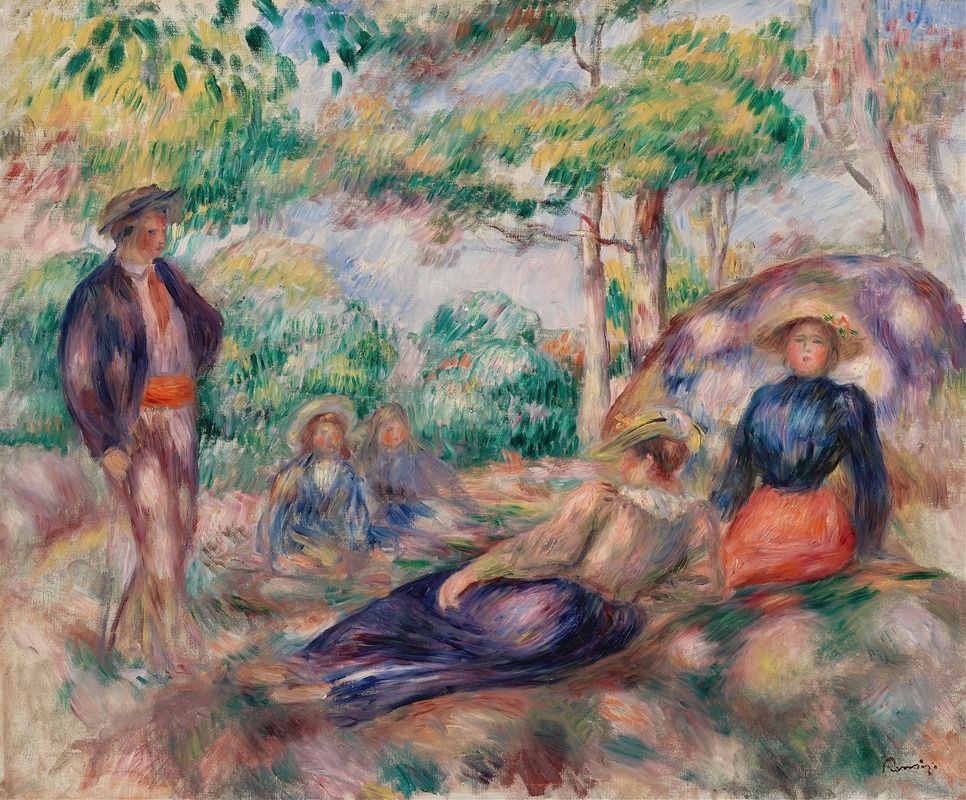
Discover insights about this artwork
Trissotin Reading to Philaminte, Bélise, and Armande (from act 3, scene 2 of Molière’s “Les Femmes Savantes” — History & Facts
In Trissotin Reading to Philaminte, Bélise, and Armande, the artist Charles-Antoine Coypel captures a lively scene from Molière’s play. The painting features four figures: Trissotin, a man in a fashionable outfit, reads to three women who appear engaged and attentive. The colors are rich and warm, with a predominance of golds, reds, and soft pastels that enhance the Rococo style.
The setting is intimate, likely within a salon, which reflects the social dynamics of the time. The painting is executed in oil on canvas, a common medium for the Rococo period, allowing for vibrant colors and detailed textures. Coypel's brushwork is fluid, creating a sense of movement and life among the figures. The composition is carefully arranged, with Trissotin positioned centrally, drawing the viewer's eye.
The use of light and shadow adds depth, highlighting the expressions of the characters. Charles-Antoine Coypel was a prominent French painter of the 18th century, known for his theatrical and literary themes. This work illustrates a scene from Molière's Les Femmes Savantes, showcasing the intersection of art and literature. An interesting fact about this painting is that it reflects the Rococo fascination with intellectualism and the role of women in society during that era.
Coypel's ability to blend narrative with visual art makes this piece significant in the context of French cultural history.
More Artworks by Charles-Antoine Coypel
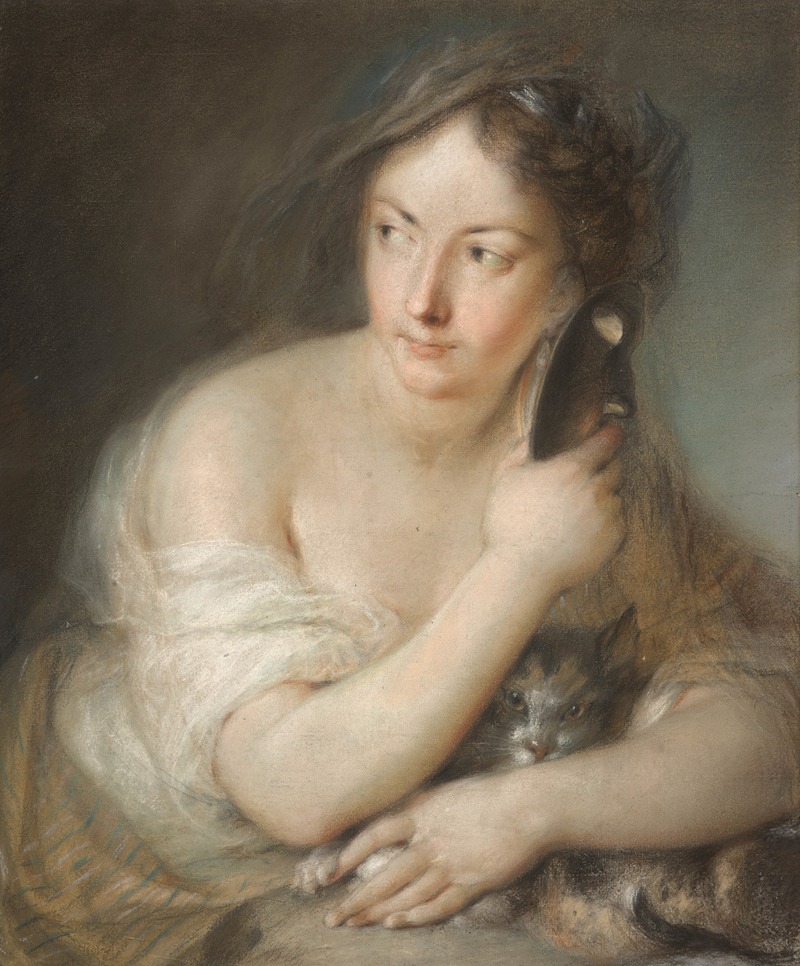
La Malice
Charles-Antoine Coypel
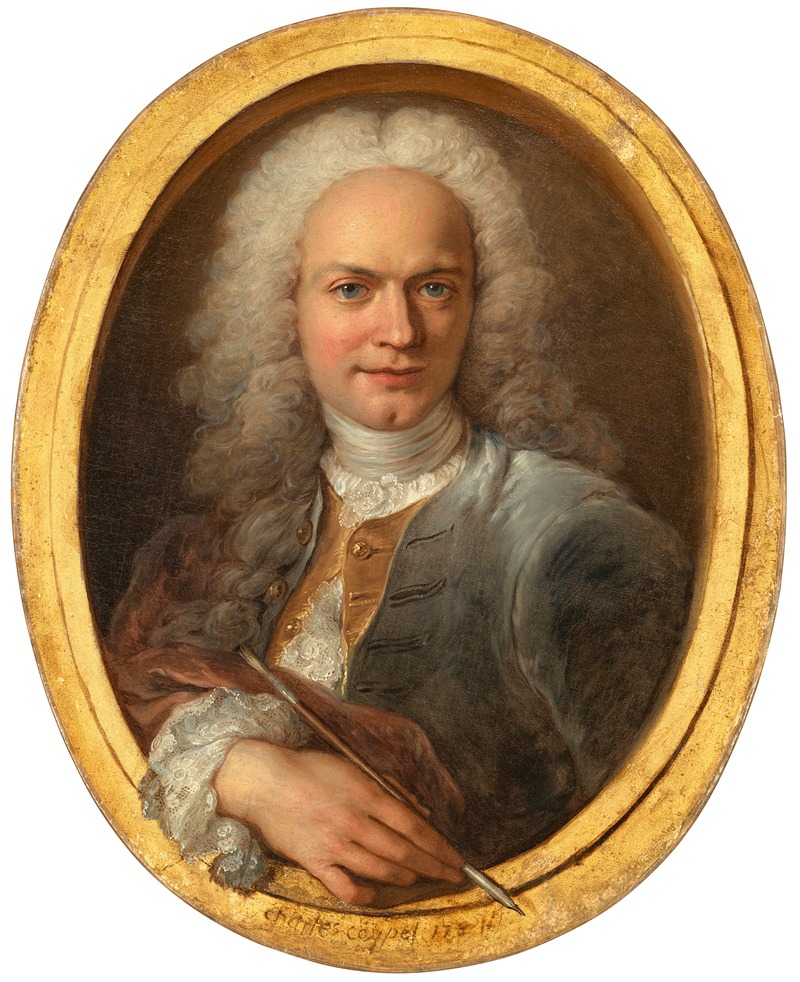
Portrait of a man in a painted frame
Charles-Antoine Coypel
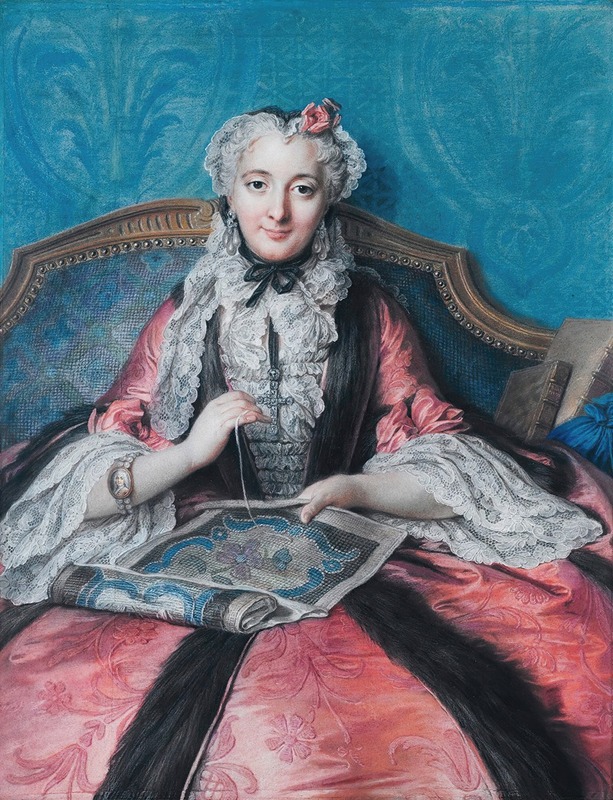
Portrait of a woman sewing
Charles-Antoine Coypel
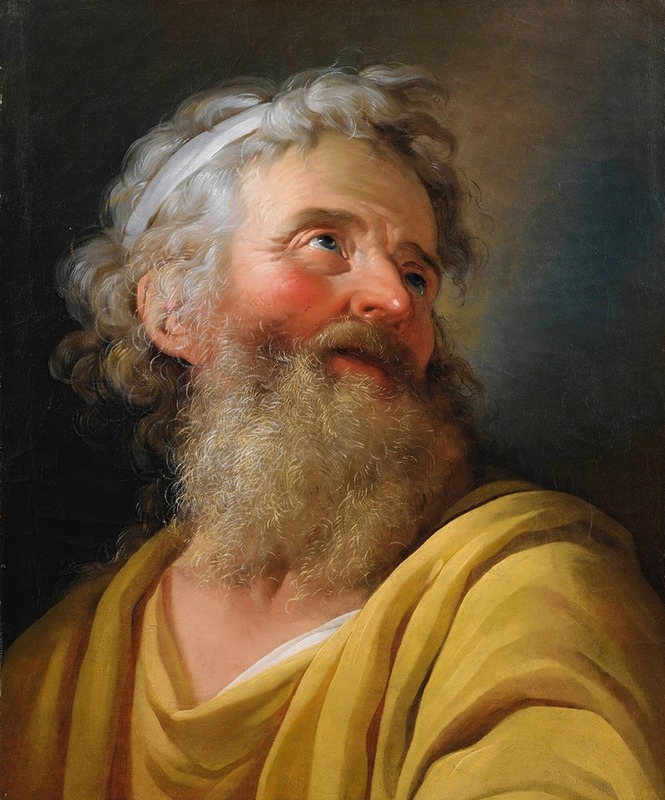
Portrait of an actor
Charles-Antoine Coypel
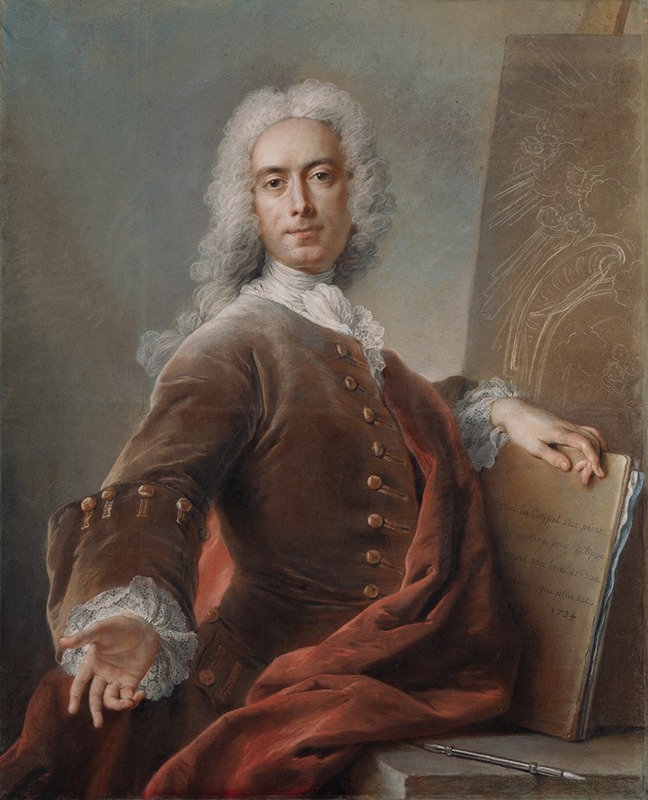
Self-Portrait
Charles-Antoine Coypel
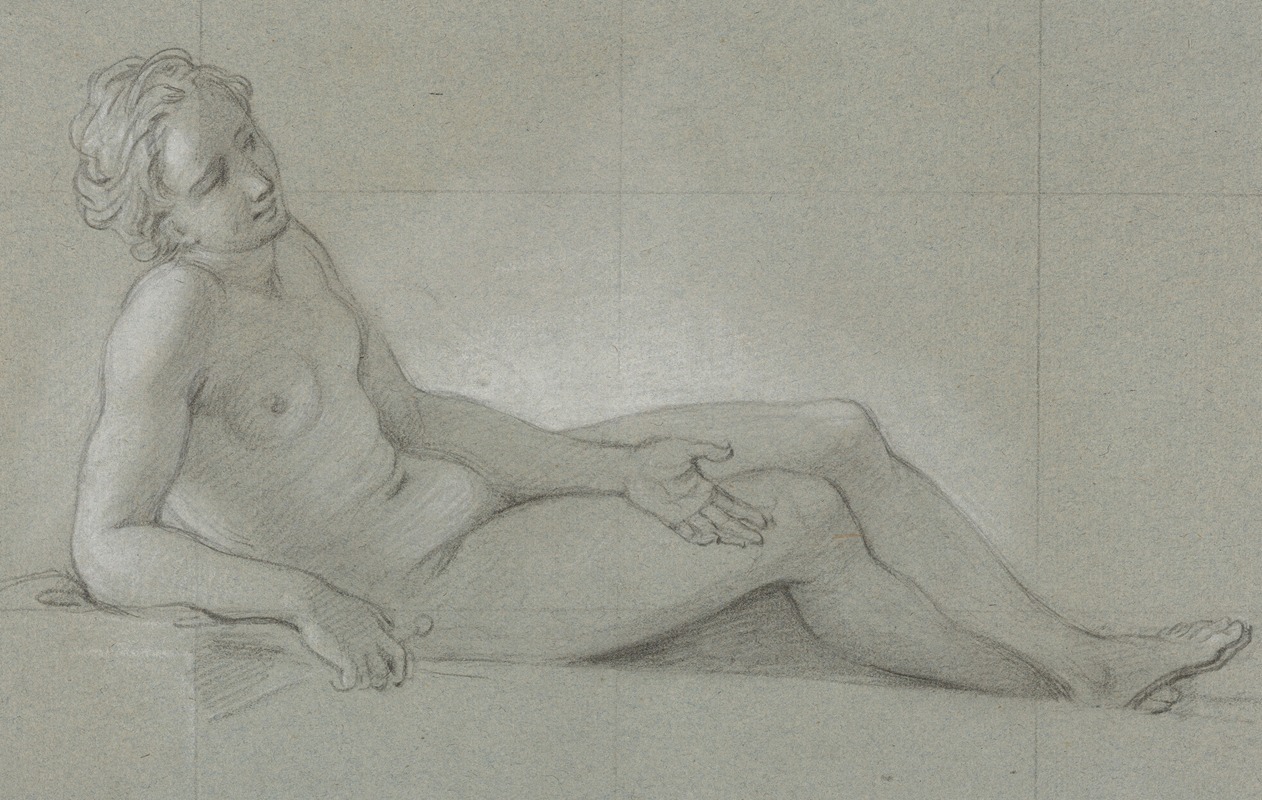
Study of a Reclining Female Nude
Charles-Antoine Coypel
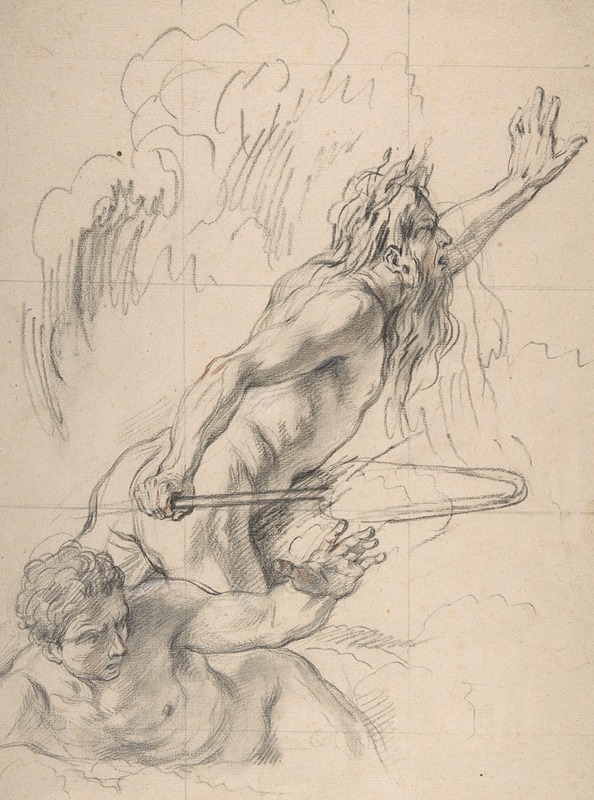
River God and Another Male Figure
Charles-Antoine Coypel
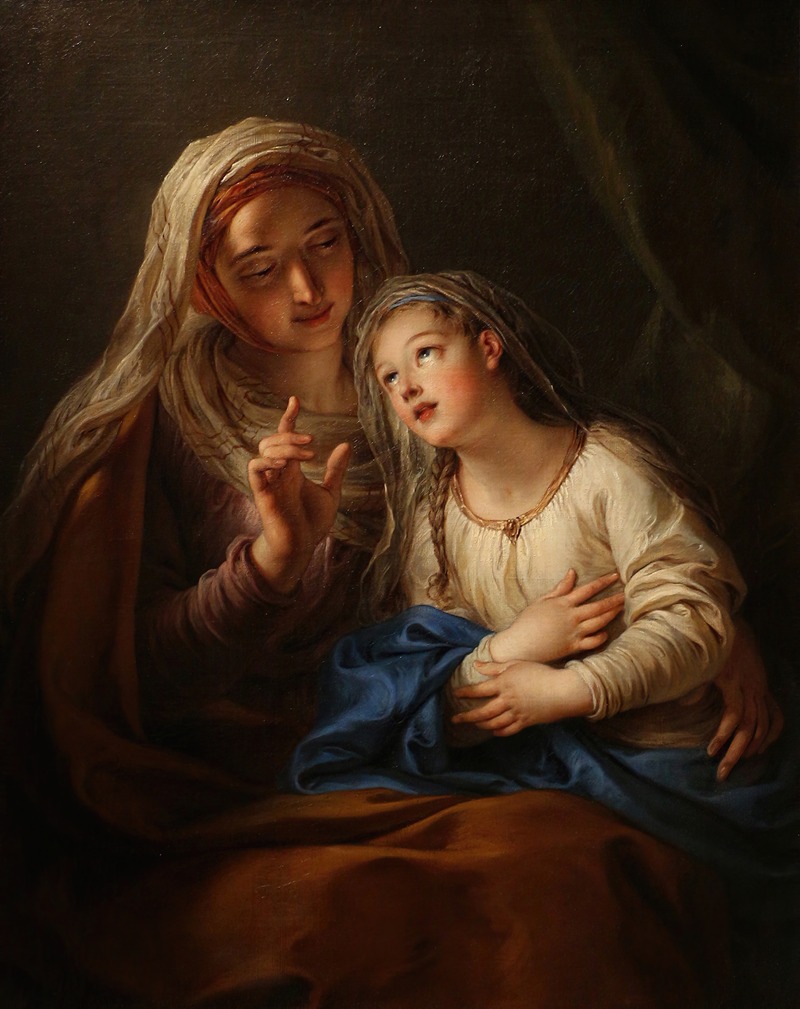
The Education of the Virgin Mary
Charles-Antoine Coypel
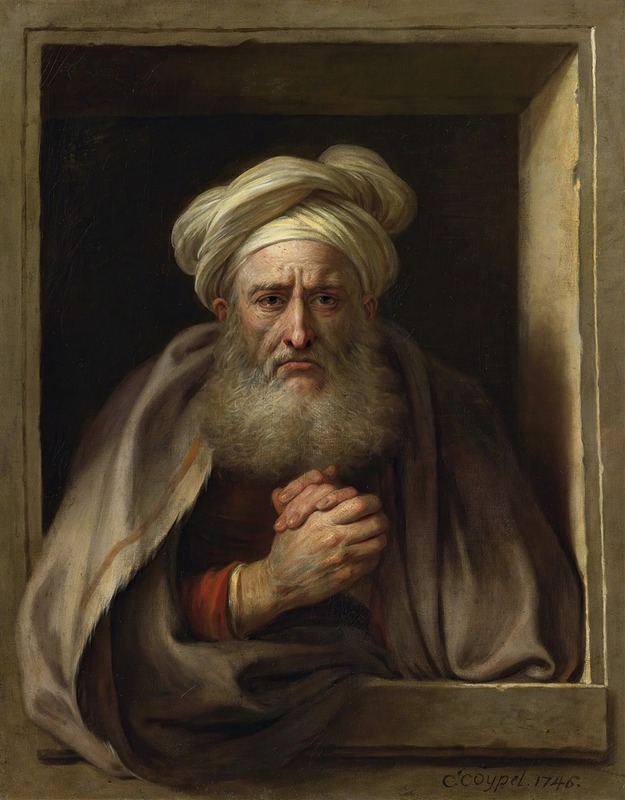
Sorrowful Democritus
Charles-Antoine Coypel
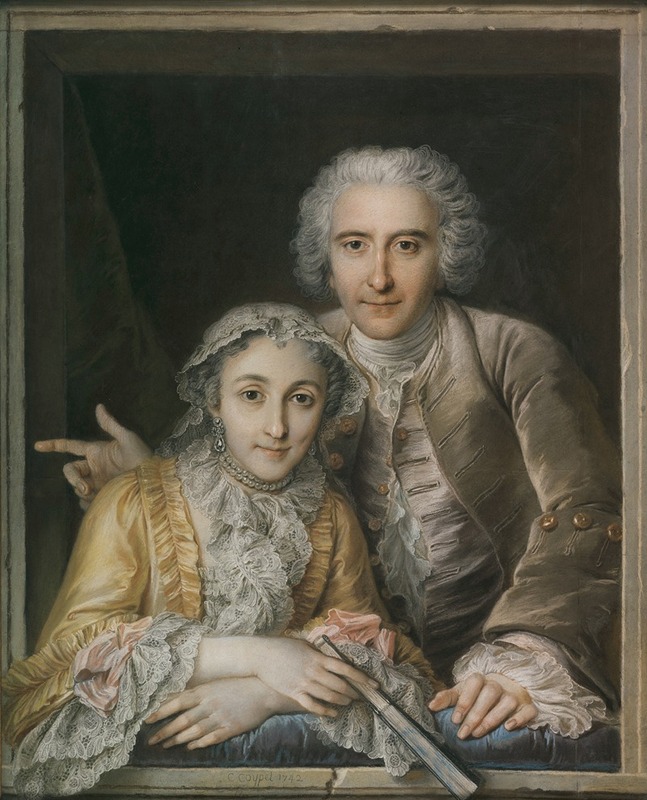
Portrait of Philippe Coypel and His Wife
Charles-Antoine Coypel