
Discover insights about this artwork
La Malice — History & Facts
In La Malice, we see a vibrant scene filled with playful figures and intricate details. The colors are rich, with deep reds, soft blues, and golden accents that enhance the overall composition. The setting appears to be an outdoor gathering, where the characters engage in a lighthearted interaction.
Each figure is carefully rendered, showcasing the artist's attention to detail and the Rococo style's emphasis on elegance and charm. The painting is an oil on canvas, typical of the Rococo period, which emphasizes decorative elements and fluid forms. Viewers can notice the delicate brushwork that brings the characters and their surroundings to life. The dimensions are approximately 100 x 130 cm, making it a substantial piece that draws the viewer in.
The use of light and shadow adds depth, enhancing the playful atmosphere of the scene. Charles-Antoine Coypel was a prominent French painter of the 18th century, known for his allegorical and mythological works. La Malice reflects the Rococo style, characterized by its playful themes and ornate details. An interesting fact about this work is that it captures the spirit of the time, where art was often used to convey social commentary and entertain the viewer.
Coypel's ability to blend humor with elegance is evident in this delightful piece.
More Artworks by Charles-Antoine Coypel
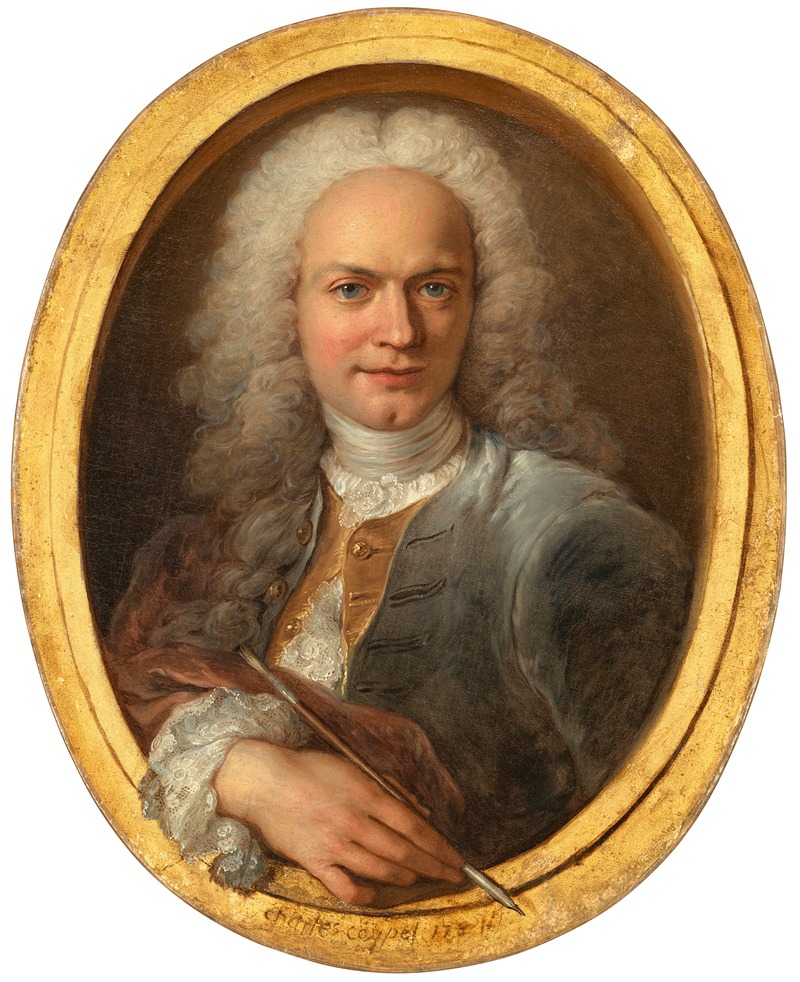
Portrait of a man in a painted frame
Charles-Antoine Coypel
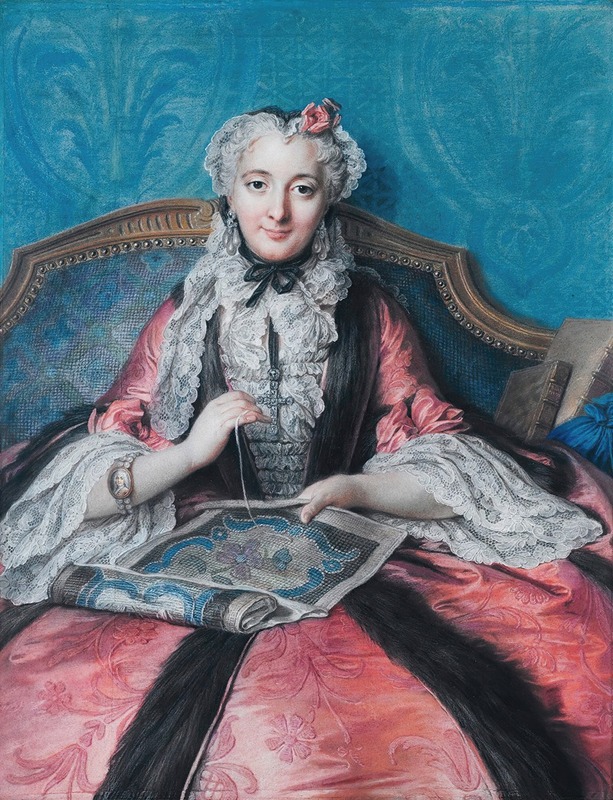
Portrait of a woman sewing
Charles-Antoine Coypel
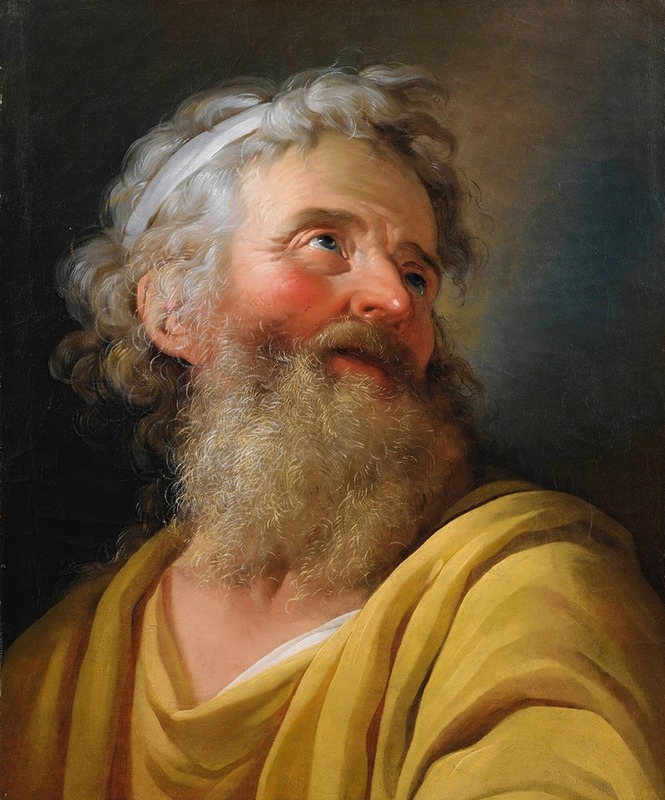
Portrait of an actor
Charles-Antoine Coypel
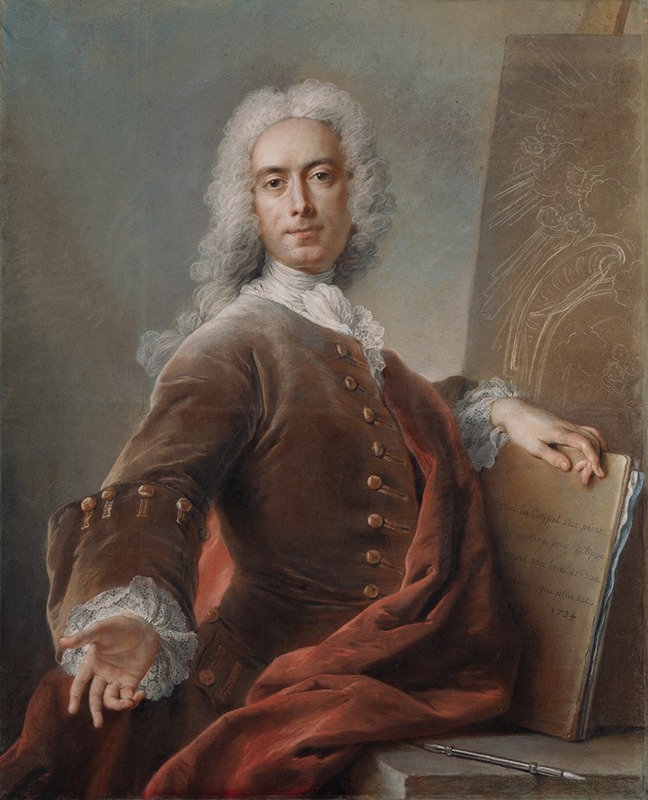
Self-Portrait
Charles-Antoine Coypel
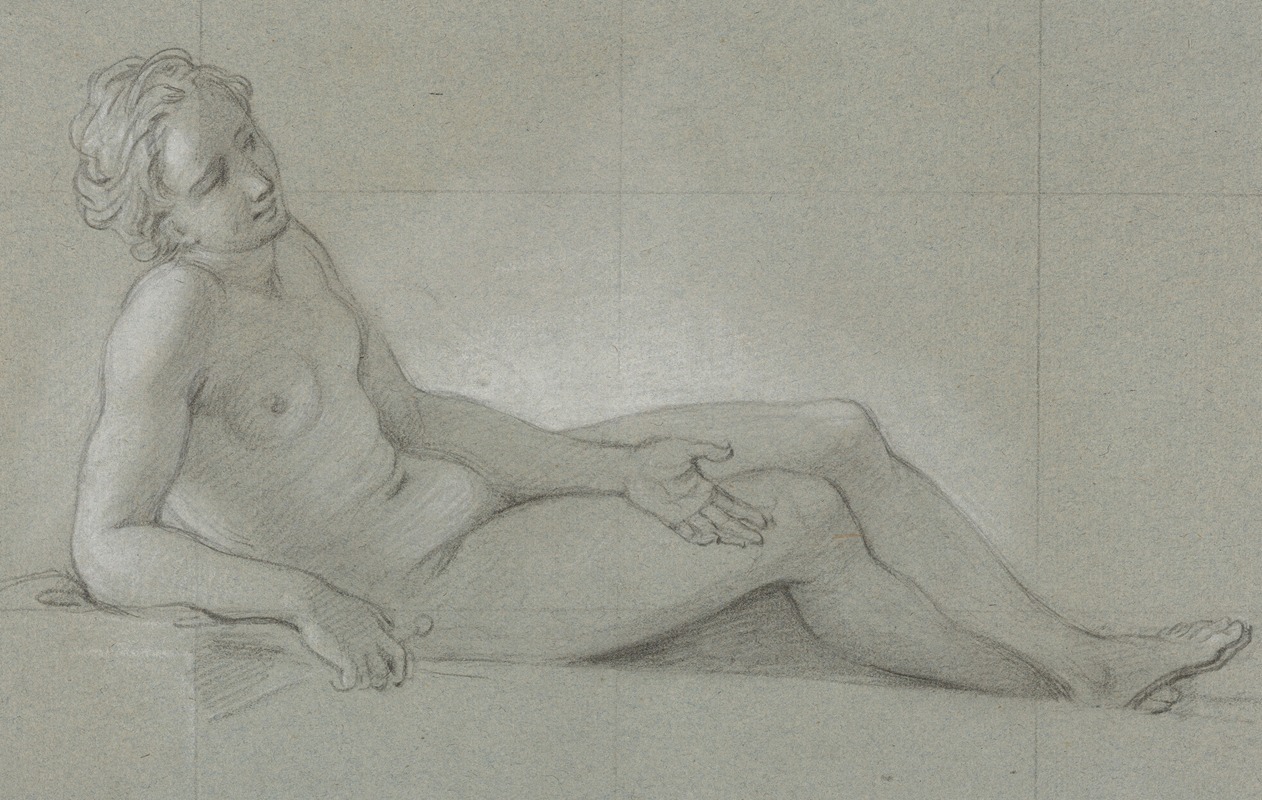
Study of a Reclining Female Nude
Charles-Antoine Coypel
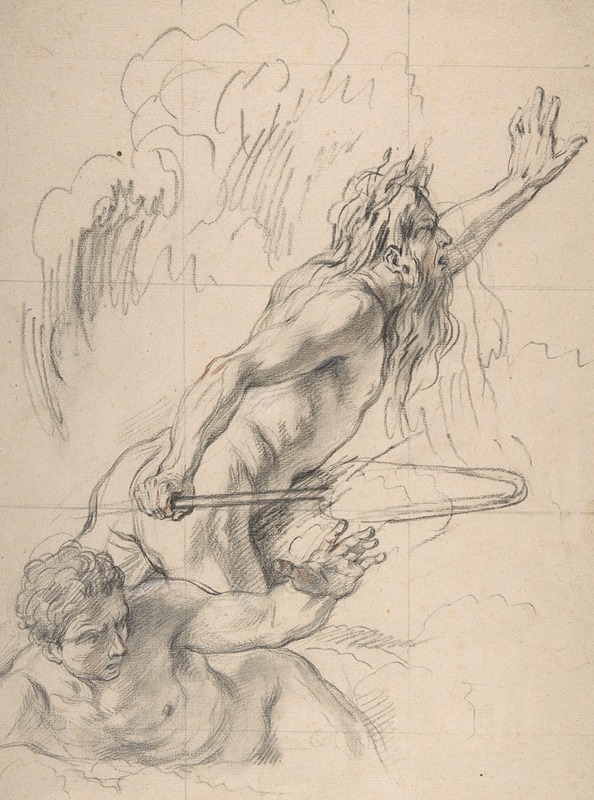
River God and Another Male Figure
Charles-Antoine Coypel
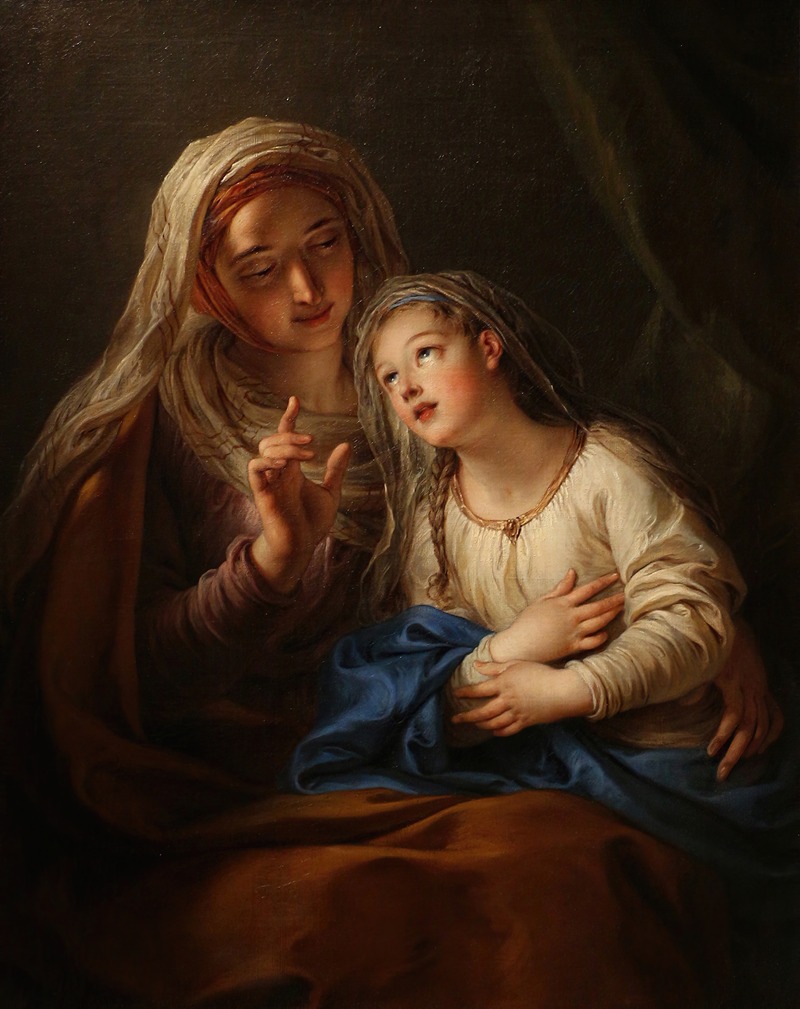
The Education of the Virgin Mary
Charles-Antoine Coypel
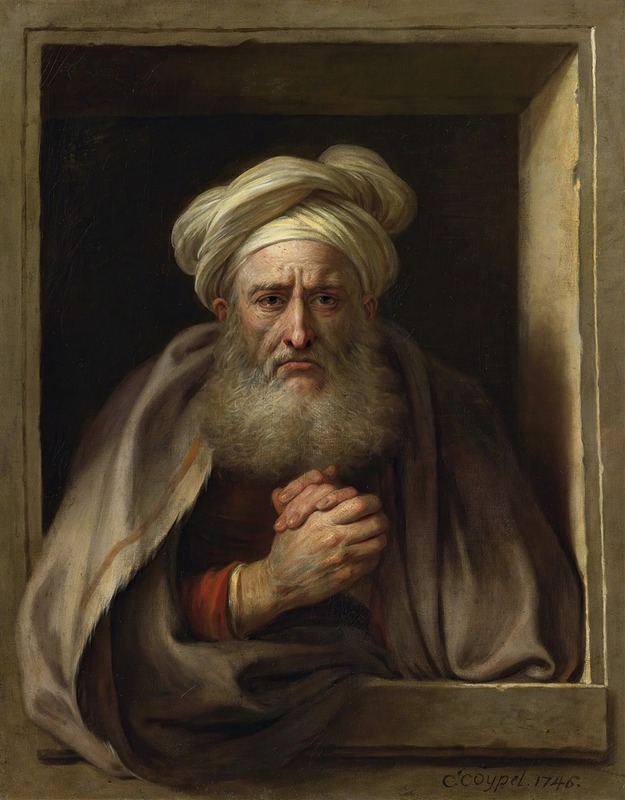
Sorrowful Democritus
Charles-Antoine Coypel
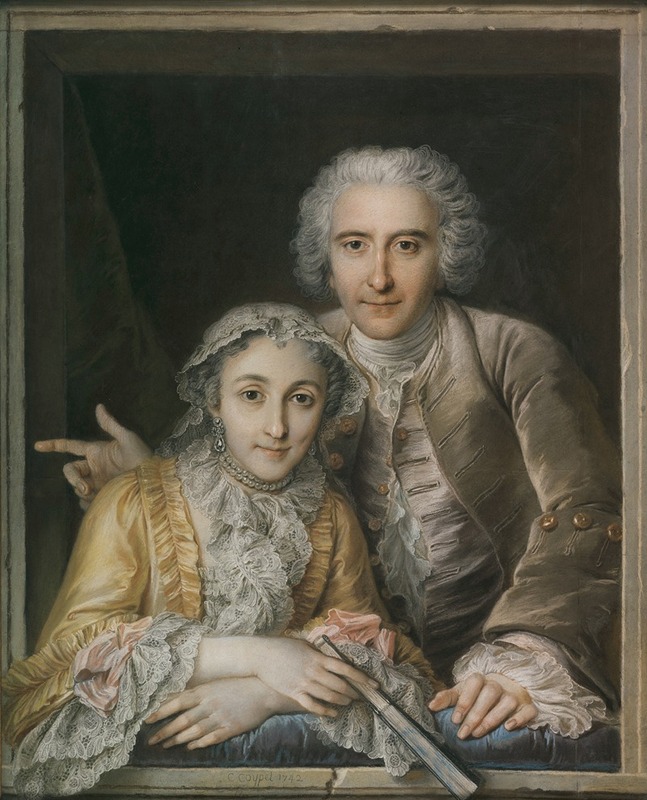
Portrait of Philippe Coypel and His Wife
Charles-Antoine Coypel
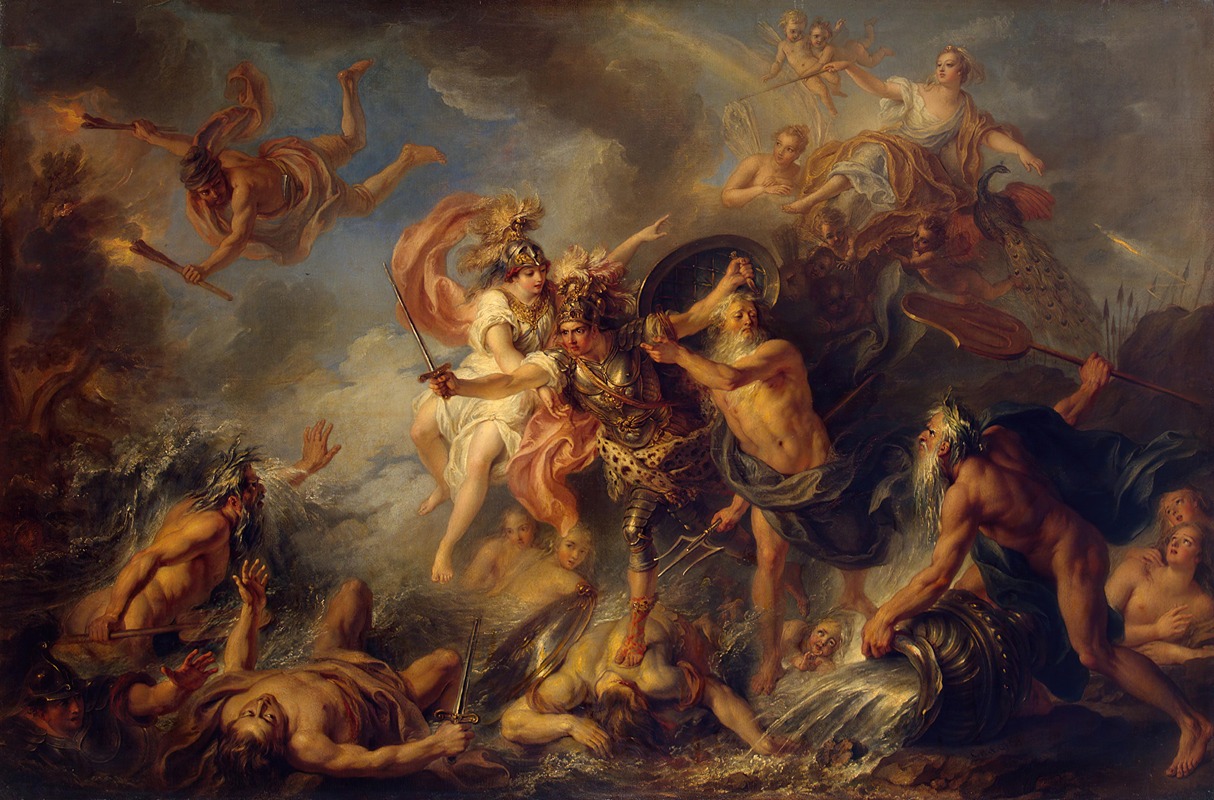
Fury Of Roland
Charles-Antoine Coypel
More Allegory Art
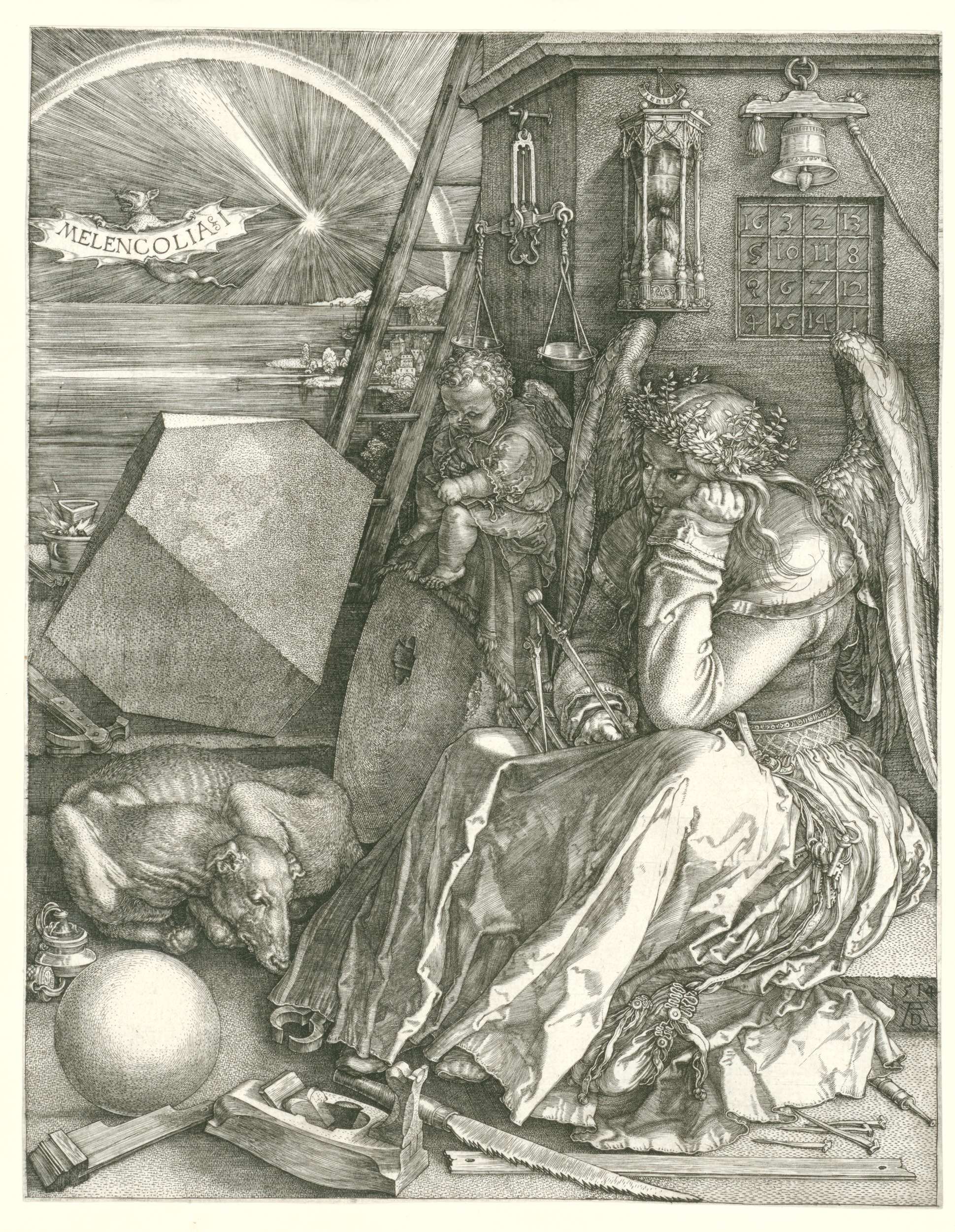
Melancholia
Albrecht Dürer
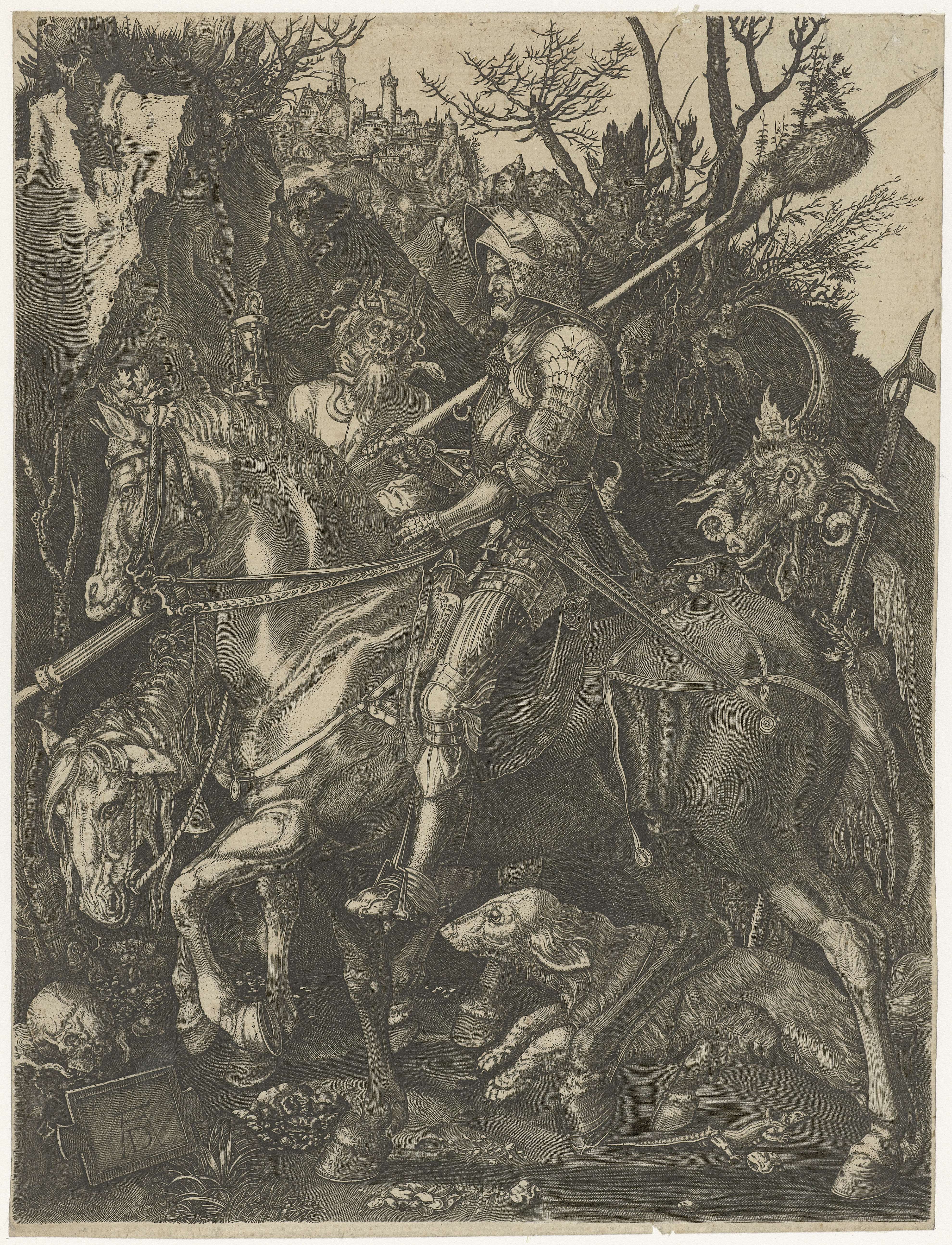
Ridder, Dood en Duivel
Unknown Artist
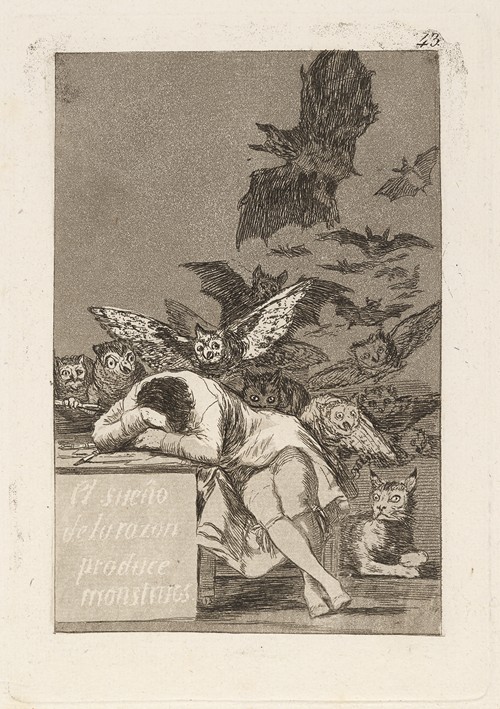
El sueño de la razon produce monstruos. (The sleep of reason produces monsters.)
Francisco de Goya
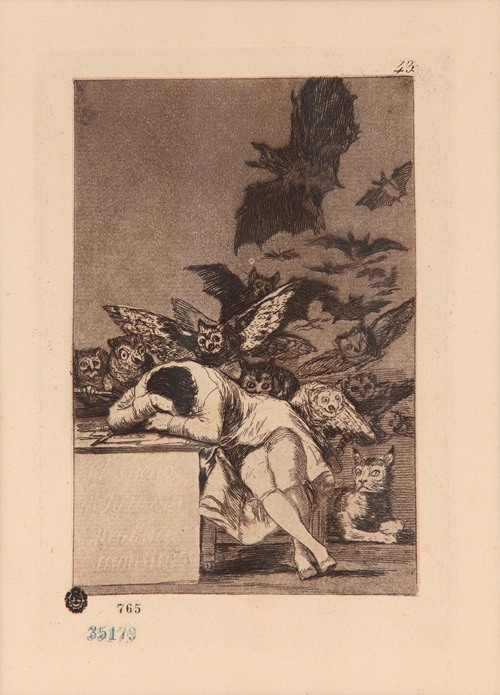
El sueño de la razon produce moustruos (Serie Caprichos)
Francisco de Goya
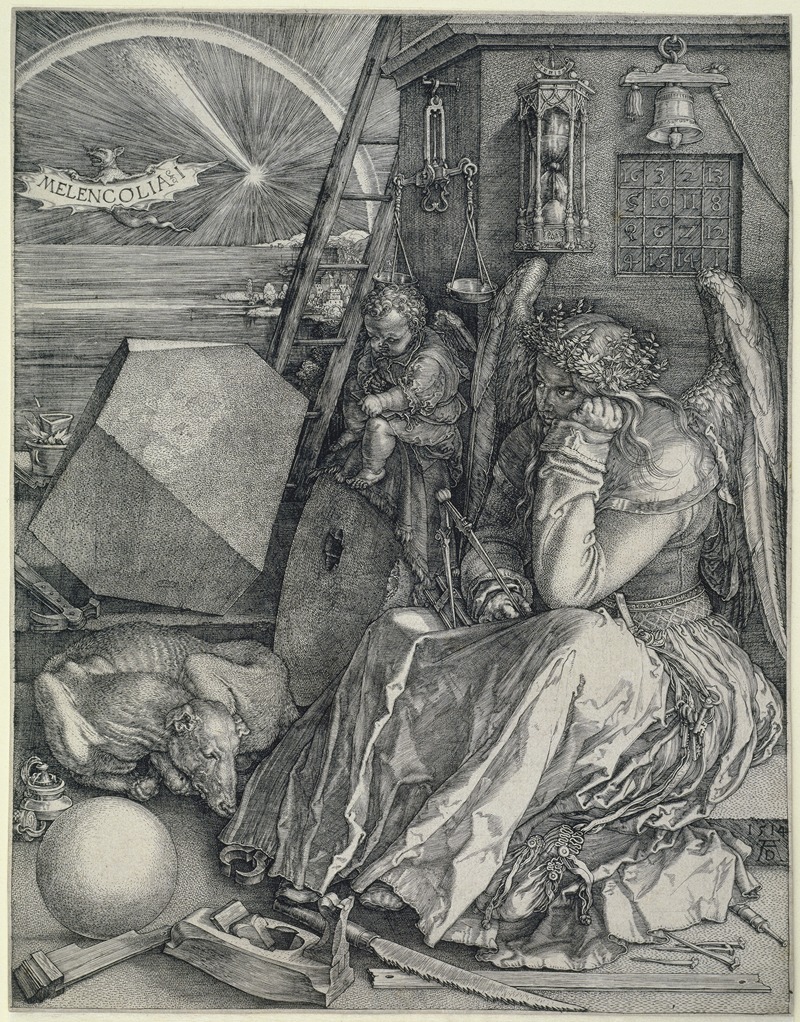
Melencolia I (The Melancholy)
Albrecht Dürer
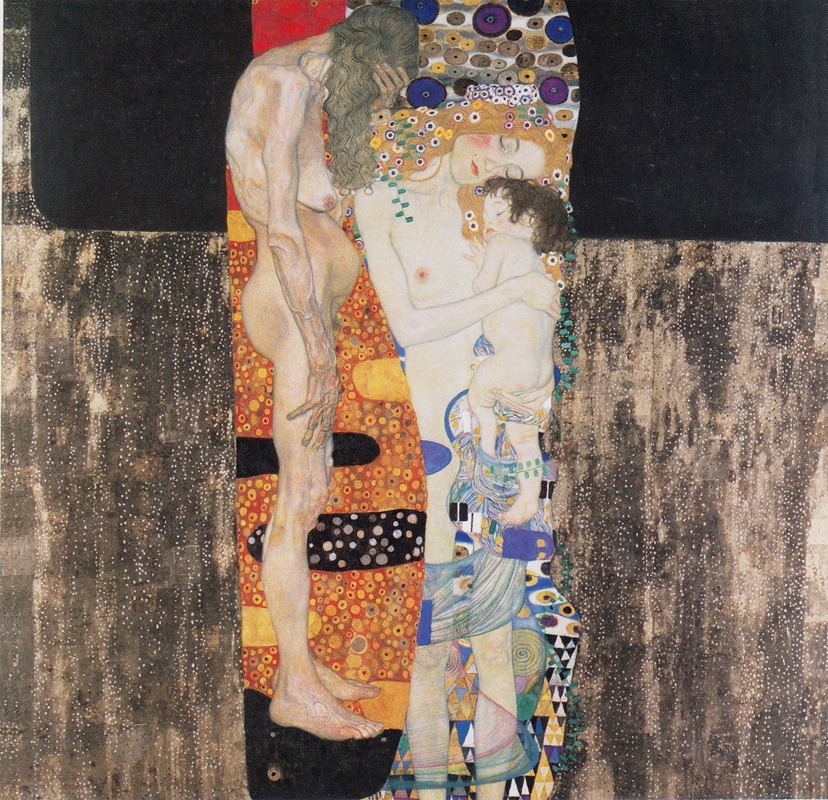
The Three Ages of the Woman
Gustav Klimt