Tørreplads i solen — History & Facts
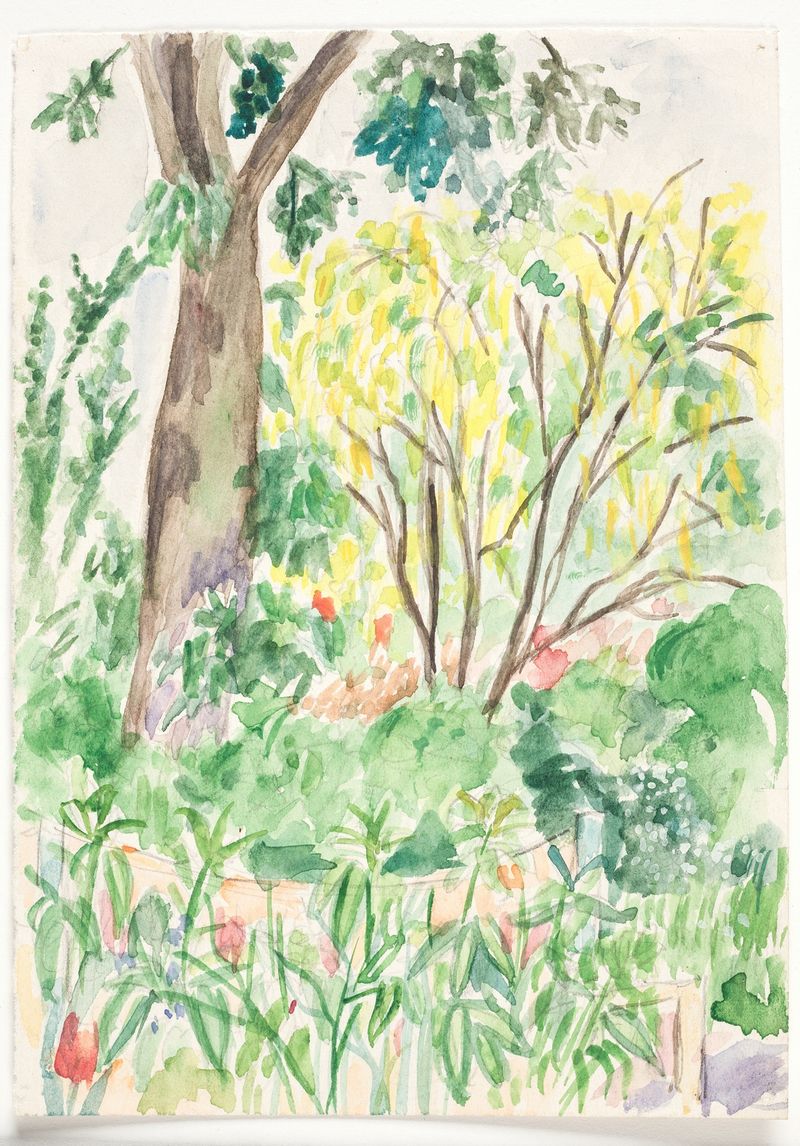
What if beauty was never meant to be finished? This thought lingers over the canvas, a breathtaking glimpse into a world paused, yet alive with unspoken narratives and hidden fears. Look to the foreground, where a simplistic wooden table holds a delicate balance of shadows and sunlight. The warm, golden hues intermingle with the cooler tones that cradle the edges of the scene. Notice how the light falls upon the drying linens, each fold and crease whispering stories of domesticity and labor.
The composition is intimate, drawing the viewer in, while the muted background offers a sense of calm that contrasts sharply with the vibrant textures of the cloth. Delve deeper into the emotional landscape of the work, where the fragile interplay of light and shadow evokes a tension between the mundane and the extraordinary. The drying fabrics symbolize both the everyday rituals that ground us and the potential for something more—perhaps even the fear of stagnation. Each piece of linen, once alive with color, now hangs in quiet vulnerability, suggesting an unfulfilled promise of beauty that may never fully blossom. Created in 1937, this piece emerges from a time when John Christensen found himself navigating the shifting realms of modernist thought and the simplicity of rural life.
Living in Denmark, he wrestled with the echoes of change brought by the rise of urbanization, even as he sought solace in the familiar rhythms of nature and domesticity. In this tension, he captured not just a scene, but a poignant reflection of human experience caught between aspiration and reality.