Uithangarm, verz. Mannheimer. — History & Facts
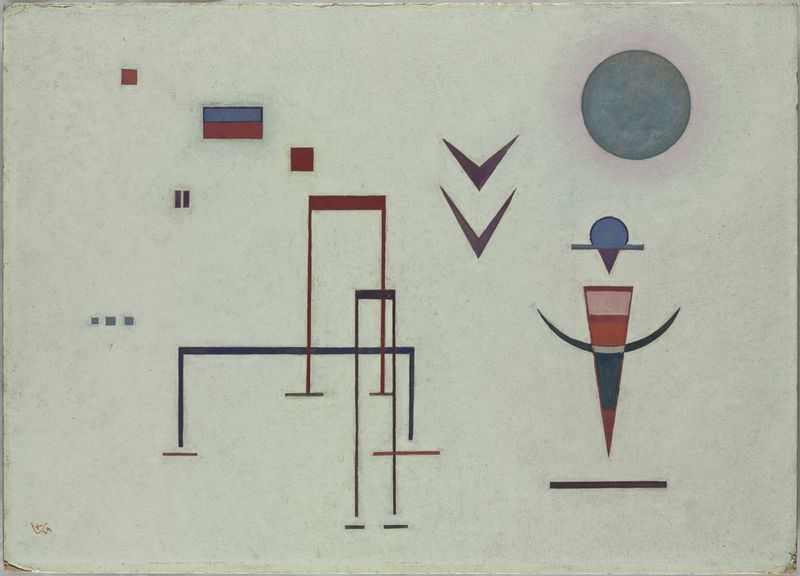
In the hands of an unknown artist, the exploration of madness manifests in a striking yet harmonious composition that invites endless interpretations. Gaze closely at the intricate details within the swirling forms. Notice how the vibrant colors dance together, creating a visual melody that sways between order and disorder. The bold brushstrokes lead your eyes toward the central figures, where tension and fluidity coexist, echoing a world caught between reality and the surreal.
The play of shadow and light enhances the depth, revealing layers that challenge our perception of beauty amid chaos. Delve deeper, and you will uncover the emotional undertones that pulse through the artwork. The figures, seemingly at odds with one another, embody the internal struggle between sanity and madness, each gesture reflecting a battle of wills. The juxtaposition of calm colors against chaotic forms invites the viewer to ponder the fine line between creation and destruction, while the edges blur, suggesting that madness can be both a torment and a source of profound inspiration. This piece was created in 1700, a time marked by significant transformation in the world of art, particularly in Europe.
Emerging from the Baroque period, artists were beginning to explore more personal and expressive themes, albeit often under the constraints of tradition and societal expectations. The unknown artist captured this moment of evolving artistic thought, reflecting both the broader movements of the time and the intimate complexities of the human experience.