Untitled — History & Facts
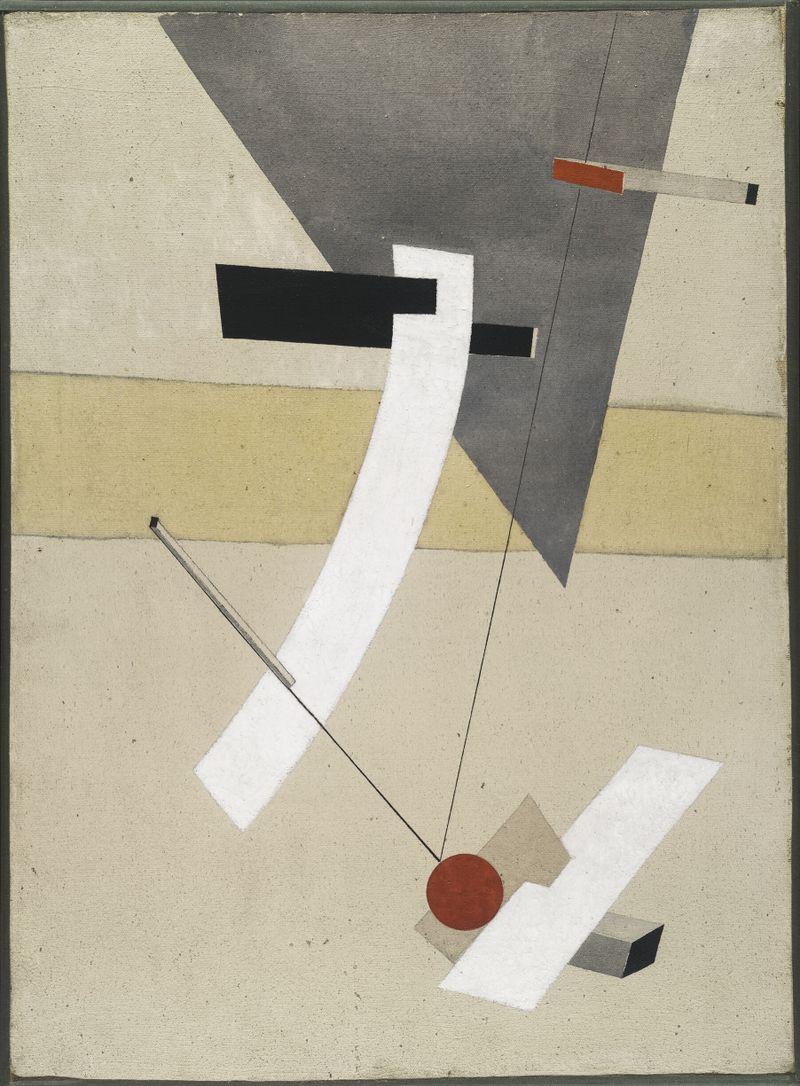
When did color learn to lie? In the world of art, deception often wears a vibrant cloak, whispering sweet nothings while masking deeper truths. Look to the center of the canvas, where a turbulent swirl of colors dances with frenetic energy, each hue vying for attention yet falling prey to a chaotic harmony. The bold reds and deep blues clash violently, while softer pastels linger at the edges, almost pleading for reconciliation. The brushstrokes are frenetic, suggesting a struggle not just between colors, but between the surface and the unseen depths lurking beneath.
It’s as if the canvas is a stage, where emotions play out their raw, unfiltered drama. Upon closer inspection, the interplay of light and shadow reveals intricate layers of meaning. Notice the angular patterns that emerge, evoking a sense of tension and betrayal, perhaps hinting at fractured relationships. The brighter colors seem triumphant at first glance, yet they betray an underlying sense of disarray—a juxtaposition between the joyous appearance and the turmoil that it obscures.
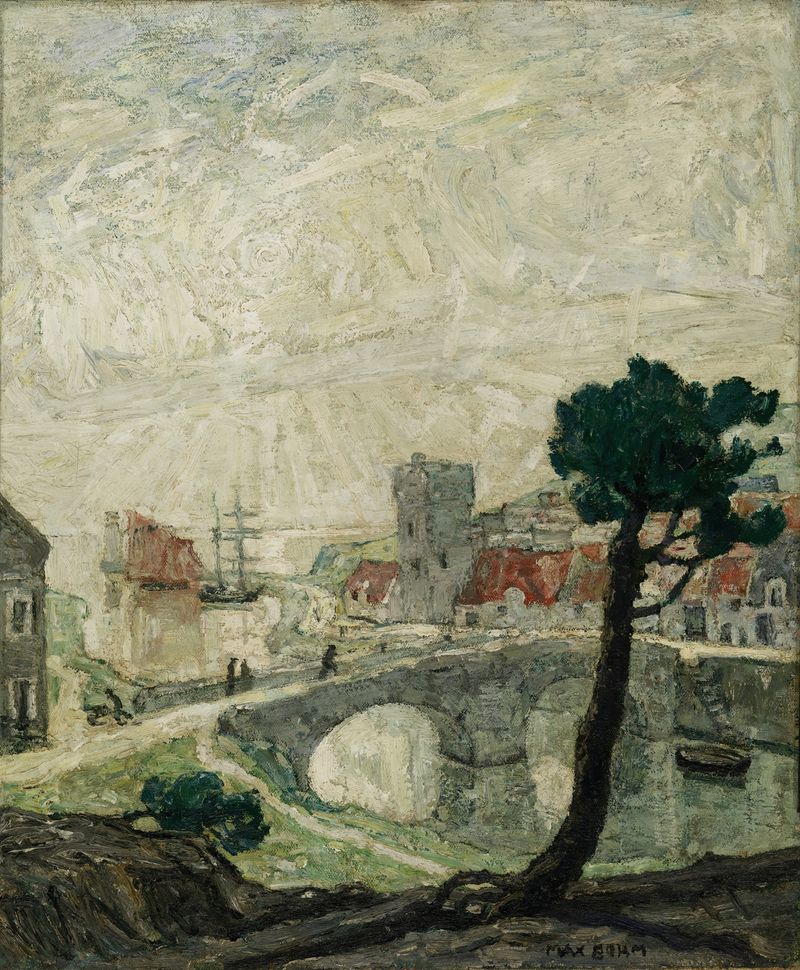
This dichotomy holds a mirror to the viewer’s own experiences of trust and deception, reflecting the complexities of human emotions. Max Bohm created this piece during a period of artistic experimentation in the early 20th century, reflecting his exploration of color theory and emotional abstraction. Working in a time when traditional forms were being challenged, Bohm sought to blend his insights with a modernist approach, grappling with personal and societal upheavals. His abstraction speaks to the tumult of the age, offering a glimpse into the artist's own confrontations with reality and perception.