Untitled — History & Facts
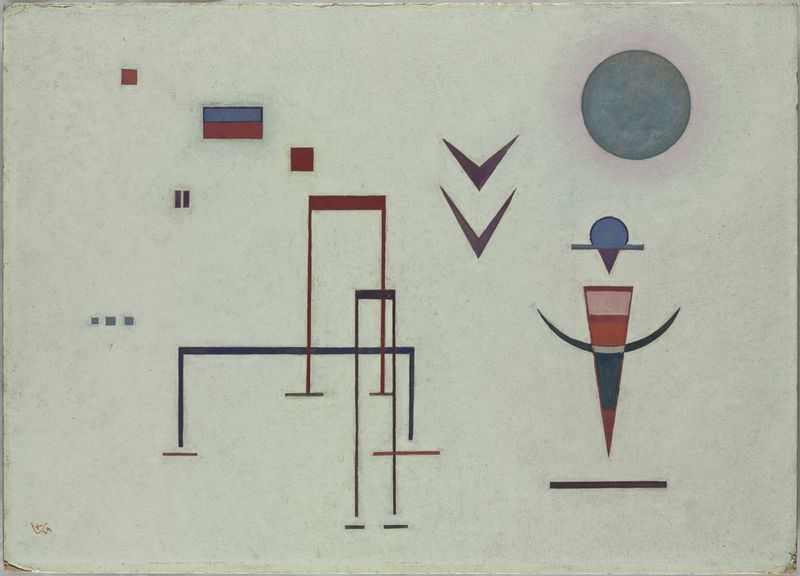
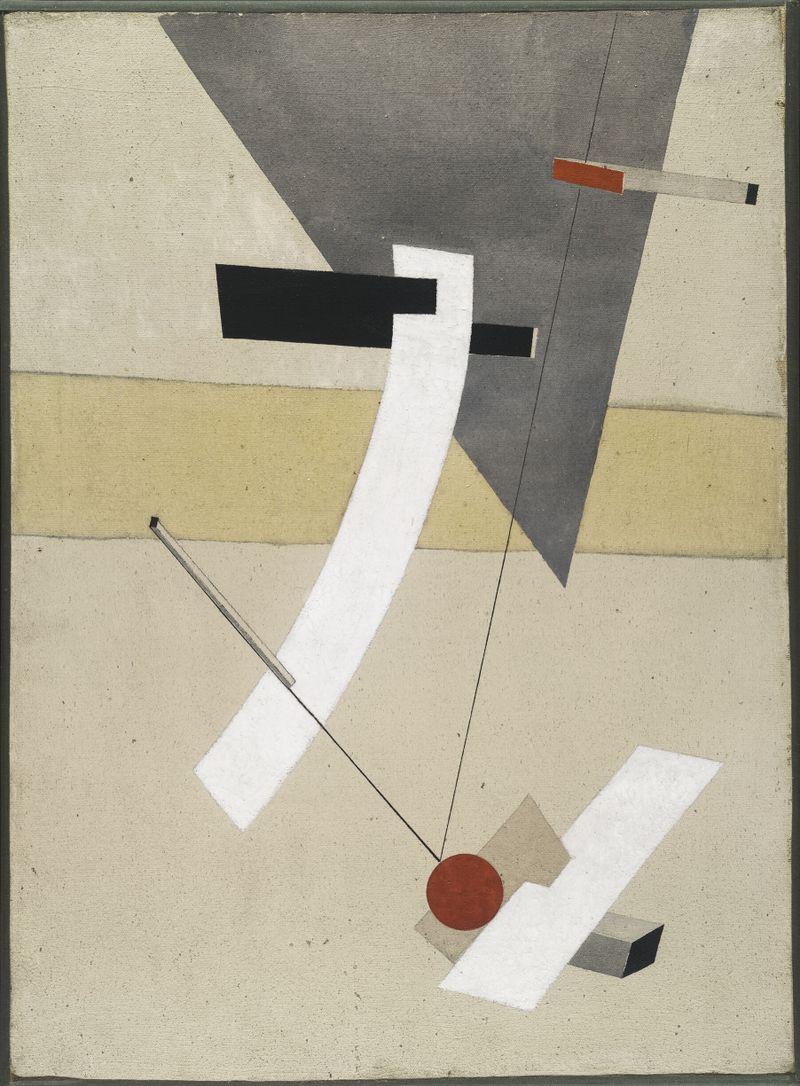
Can beauty exist without sorrow? In the interaction of forms and colors lies an exploration of solitude, whispering the complexities of existence. Focus on the central geometric shape, a profound overlap of soft curves and sharp angles that creates a striking contrast. The play of muted tones—gentle grays mingling with vibrant splashes of color—draws the eye inward, inviting contemplation. Notice how the composition feels both balanced and dissonant, a dance of harmony that hints at an underlying tension.
The smooth surface of the canvas contrasts with the jagged edges, reflecting a duality between comfort and unease. Delve deeper into the silence embedded within the artwork. The juxtaposition of vibrant hues against a backdrop of subdued tones evokes a sense of loneliness, suggesting that even in beauty, there exists a longing for connection. Each curve and angle can be seen as a metaphor for emotional complexity, where joy and sorrow intertwine, illustrating the layers of human experience.
The artwork captures a moment of stillness, yet the vibrant colors pulsate with an energy that teeters on the brink of recognition and loss. In 1958, the artist was immersed in a transformative period of his career, exploring innovative approaches to abstraction. Working primarily in New York, Feeley was influenced by the burgeoning post-war art movements, particularly Color Field and Minimalism. This creative environment fostered a distinctive style that challenged traditional perceptions, encouraging viewers to engage with the emotional resonance of form and color.