Untitled — History & Facts
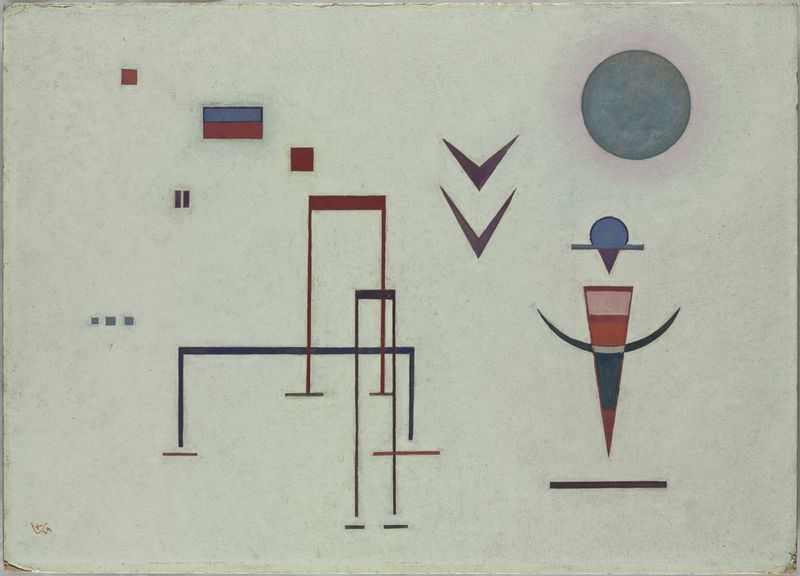
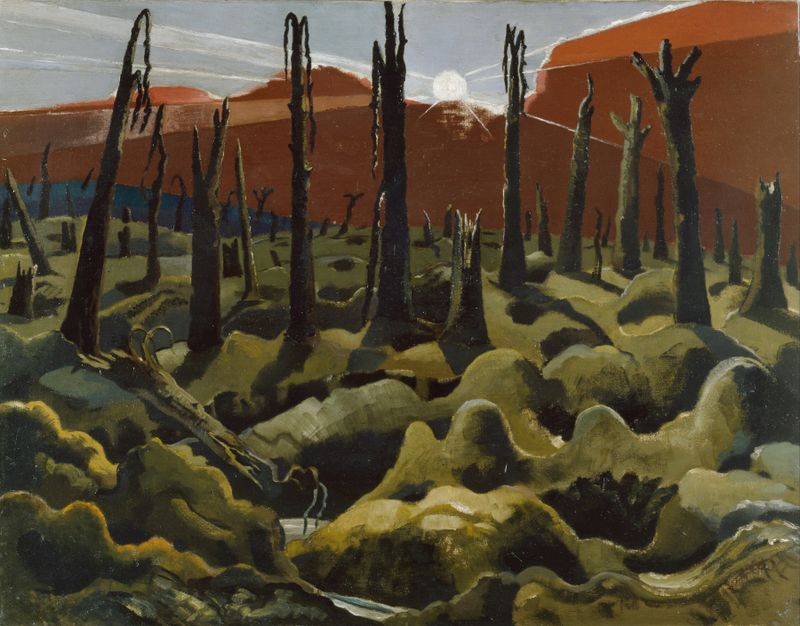
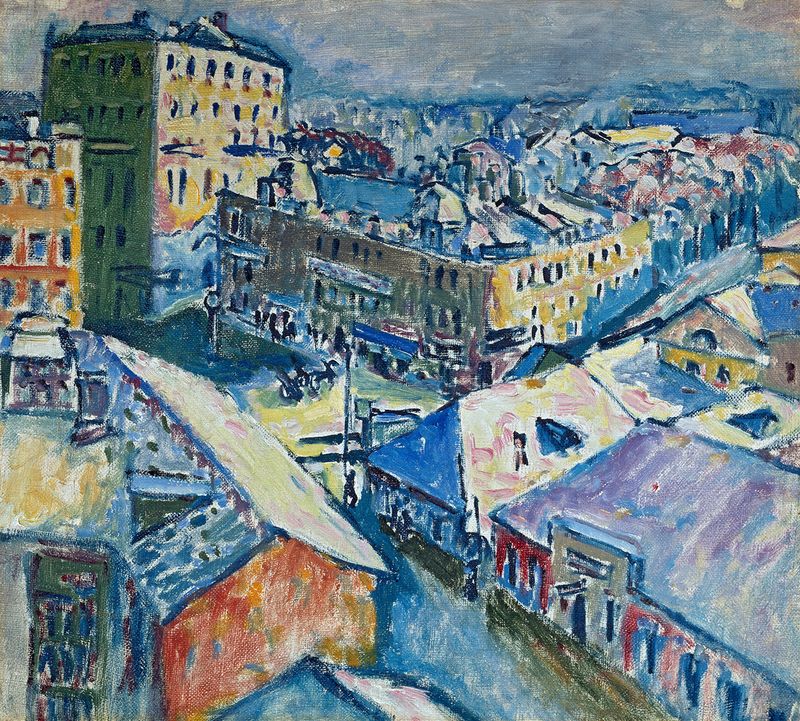
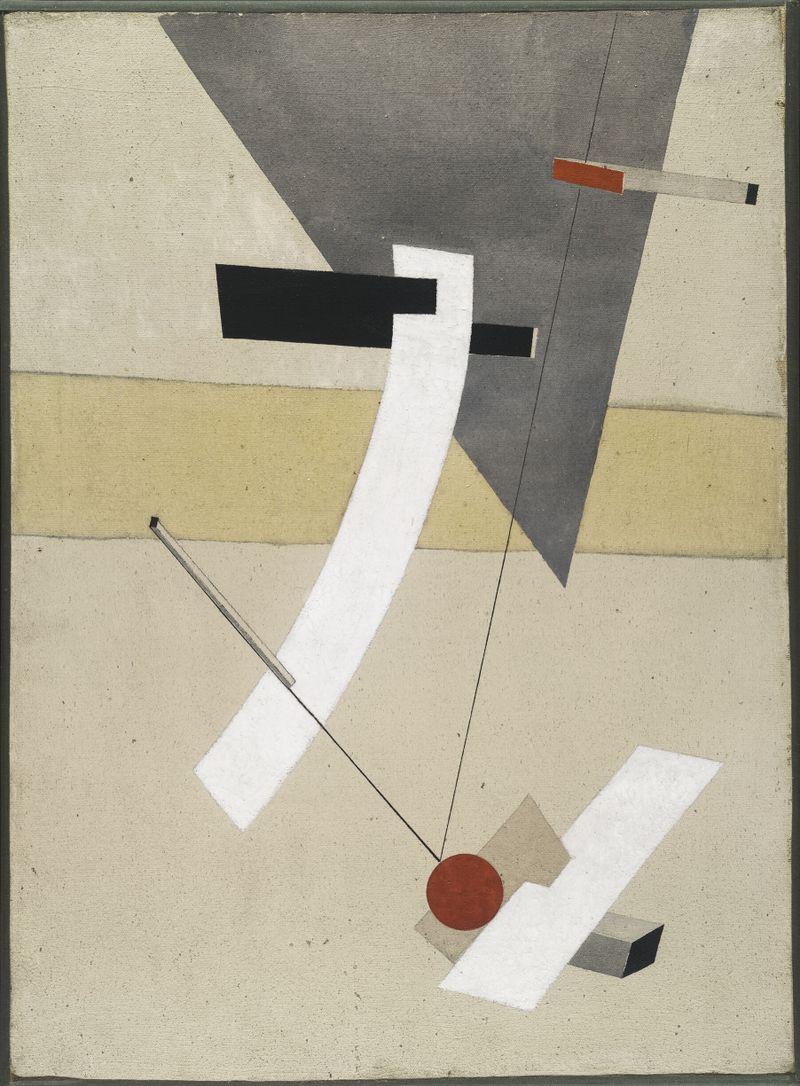
When did color learn to lie? In a world where hues can beguile and mislead, the essence of legacy becomes a complex tapestry woven with truth and illusion. Look to the left at the kaleidoscope of colors—rich ambers, deep indigos, and vibrant pinks intertwine in a dance of emotion. The brushwork is both deliberate and spontaneous, creating a sense of movement that draws the eye across the canvas. Notice how the texture shifts from smooth washes to bold impasto, revealing an artist in conversation with their medium as if each stroke carries a fragment of their story, longing to be understood. Delve into the interplay of light and shadow, where vibrant segments clash with muted tones, echoing the tension between memory and desire.
The composition invites contemplation on what remains and what is lost, with certain elements flickering in and out of focus—much like the fading echoes of one's own legacy. Each color choice is deliberate, highlighting the struggle to reconcile the past's brilliance with the inevitable passage of time. A. H.
O. Rolle created this piece during a transformative period in art history, spanning from 1900 to 1941. His work emerged against a backdrop of social upheaval and artistic experimentation, characterized by movements that sought to redefine representation.
During these decades, Rolle navigated the shifting landscapes of modernity, grappling with personal and collective histories that profoundly shaped his artistic vision.