Vanitas — History & Facts
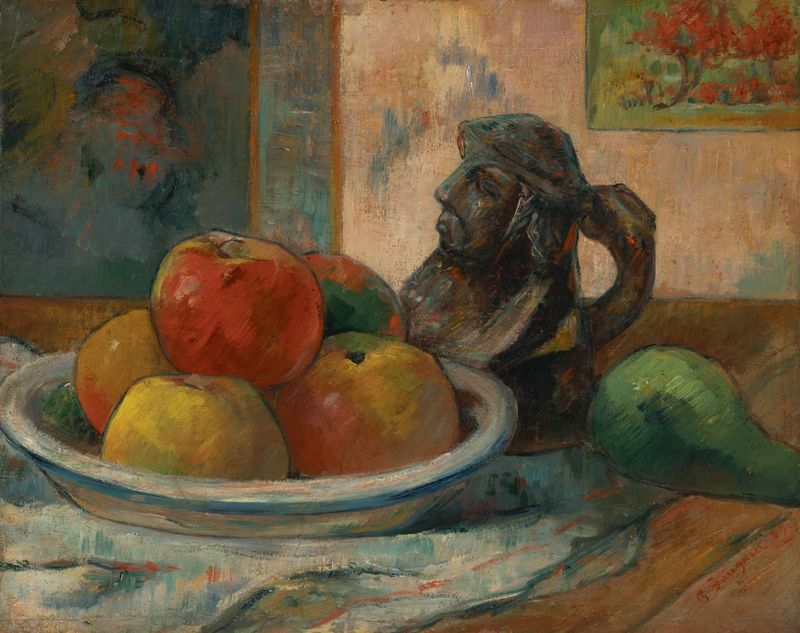
When did color learn to lie? In the stillness of Vanitas, vibrant hues mask a deeper truth, whispering the inevitable decay that awaits all things. Every brushstroke is a reminder that beauty is transient, an illusion that masks the bones of mortality beneath. Look to the center of the canvas, where a lavish arrangement of fruit and flowers catches the eye. Notice how the rich reds and yellows of the ripe apples and blooms radiate warmth, seducing the viewer with their vitality.
Yet, this display is countered by shadows lurking at the edges—decaying petals and overripe skins hint at an impending decline. The careful composition, juxtaposed with stark darkness, mirrors the tension between life and death, a dance played out in both brilliant color and ominous shadow. Delve deeper, and you’ll discover the symbolic weight of each element. The skull, a stark reminder of mortality, lies among the bounty, raising questions about the true value of earthly pleasures.
A flickering candle, hinting at the fragility of existence, stands ready to extinguish, while intricate details like the cracked glass further emphasize the inevitability of decline. The contrast of vibrancy with decay provokes an unsettling awareness of what is fleeting—the artwork becomes a meditation on the human experience, the beauty that is concurrently ephemeral. Created between 1550 and 1570, this work reflects the artistic climate of the Northern Renaissance, where the vanitas genre flourished in response to the shifting spiritual and philosophical views of the period. The artist, a skilled monogrammist, utilized this canvas to engage with contemporary themes of mortality and the temporality of life, responding to a society increasingly aware of its own ephemerality amidst wealth and abundance.