
Vûe de la Ville de Lausanne — History & Facts
What if silence could speak through light? In a world where moments linger like shadows, melancholy finds its voice in the quiet beauty of an unseen city. Look to the left at the delicate interplay between the soft, muted hues of gray and blue that envelop the buildings, evoking a sense of nostalgia. Notice how the gentle strokes create a harmonious blend of structure and nature, as the architectural lines converge gracefully with the landscape. The light, almost ethereal, bathes the scene, highlighting the gentle contours of the rooftops and the serene water below, leaving an impression of stillness and reflection. Within this tranquil vista lies a deeper narrative.
The absence of bustling figures serves as a poignant reminder of isolation, while the distant mountains loom like guardians, both majestic and indifferent. Each architectural detail speaks to the passage of time, hinting at stories of lives lived and lost, echoing a sense of longing that reverberates through the empty streets. The careful balance of light and shade draws attention to the contrast between the city’s constructed beauty and the natural world, inviting contemplation on the relationship between humanity and its environment. Created in the late 18th century, during a time of significant artistic evolution, Bleuler captured Vûe de la Ville de Lausanne while residing in Switzerland.
As European Romanticism began to flourish, he sought to express a profound connection to place and emotion through landscape, reflecting the shifting tides of society and personal experience in an era marked by both progress and yearning.
More Artworks by Johann Heinrich Bleuler the Younger
Browse all →
Rigi, Kulm
Johann Heinrich Bleuler the Younger
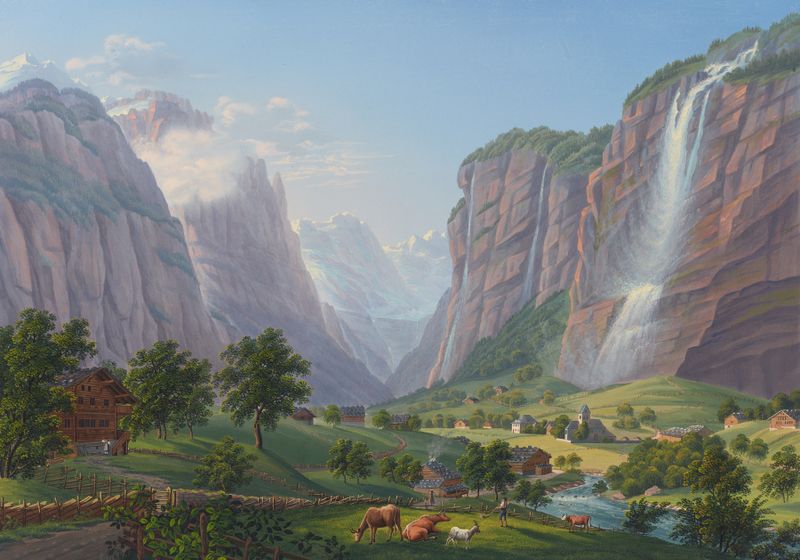
Der Staubbach im Lauterbrunnenthal
Johann Heinrich Bleuler the Younger
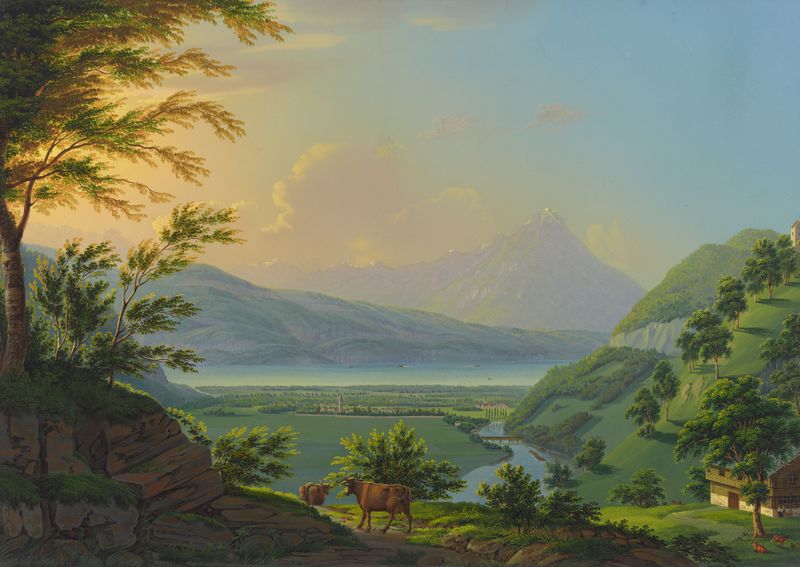
Aussicht bei Goldweil am Thunersee
Johann Heinrich Bleuler the Younger
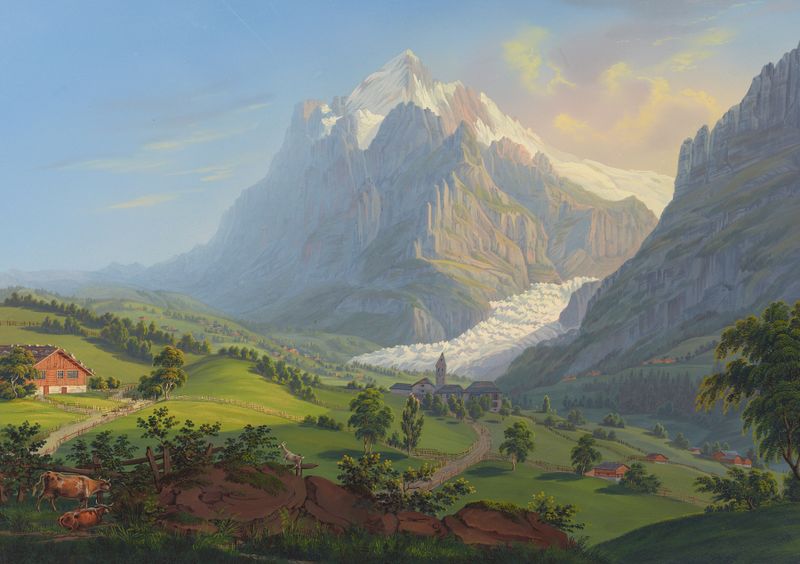
Das Wetterhorn im Grindelwald Canton Bern
Johann Heinrich Bleuler the Younger
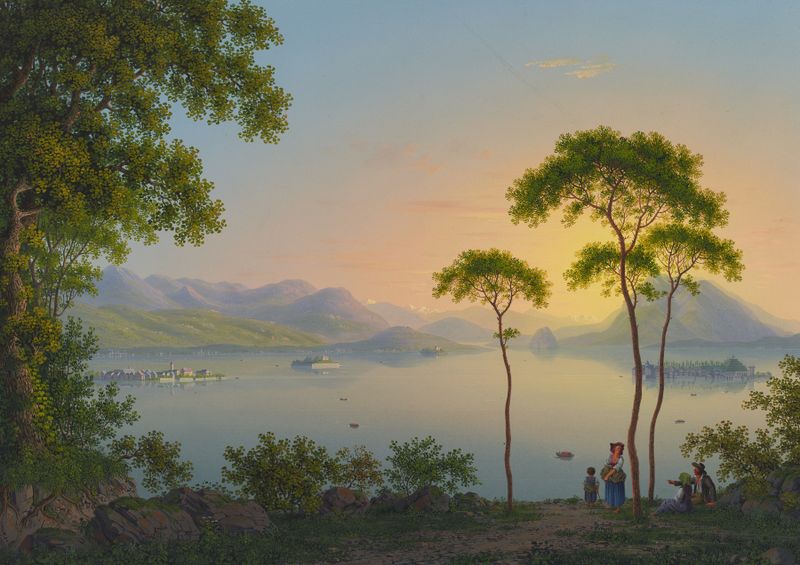
Die Boromäischen Inseln im Lago Maggiore
Johann Heinrich Bleuler the Younger
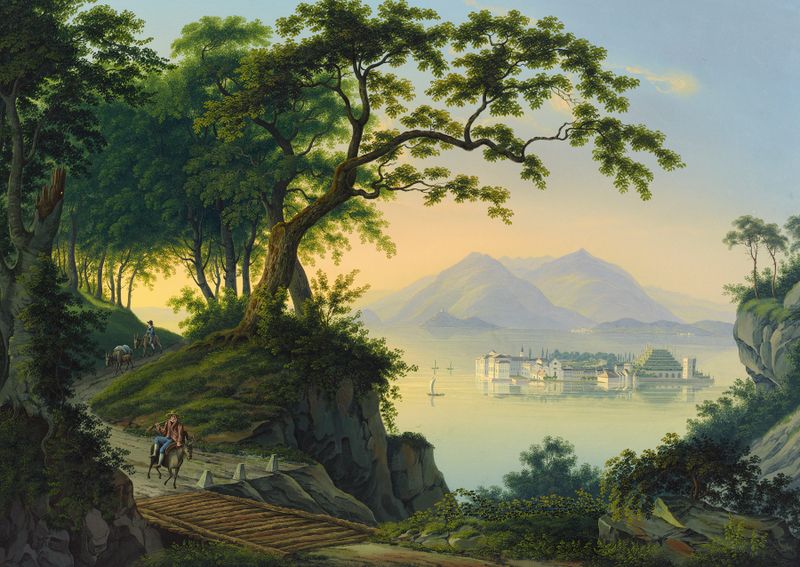
Isola Bella lago di Maggiore
Johann Heinrich Bleuler the Younger
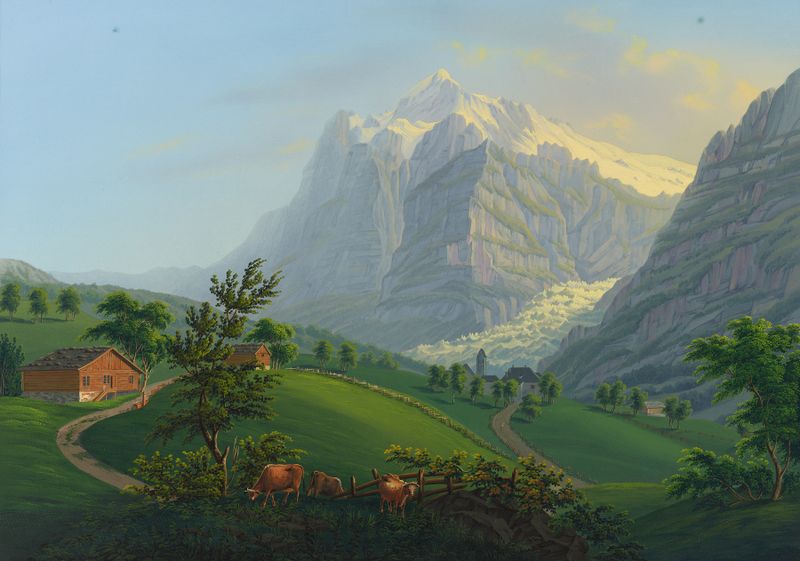
Das Wetterhorn im Grindelwald
Johann Heinrich Bleuler the Younger
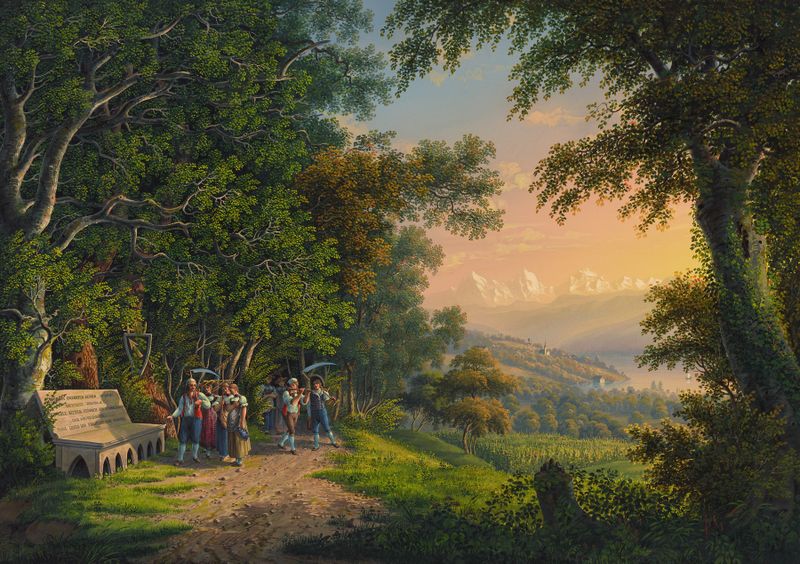
Aussicht bei Thun nach der Jungfrau
Johann Heinrich Bleuler the Younger

Grütli
Johann Heinrich Bleuler the Younger

Aufsicht vom Seelisberg über den Vierwaldstättersee
Johann Heinrich Bleuler the Younger





