Vedskuta på Vänern — History & Facts
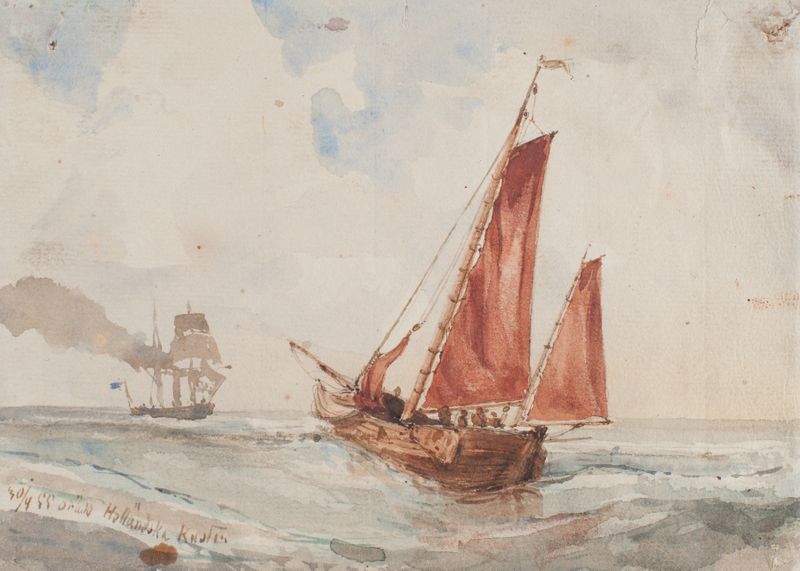
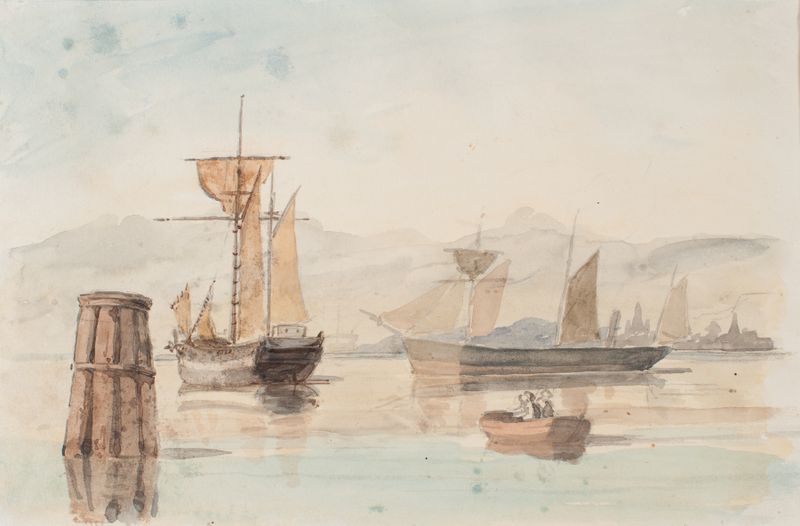
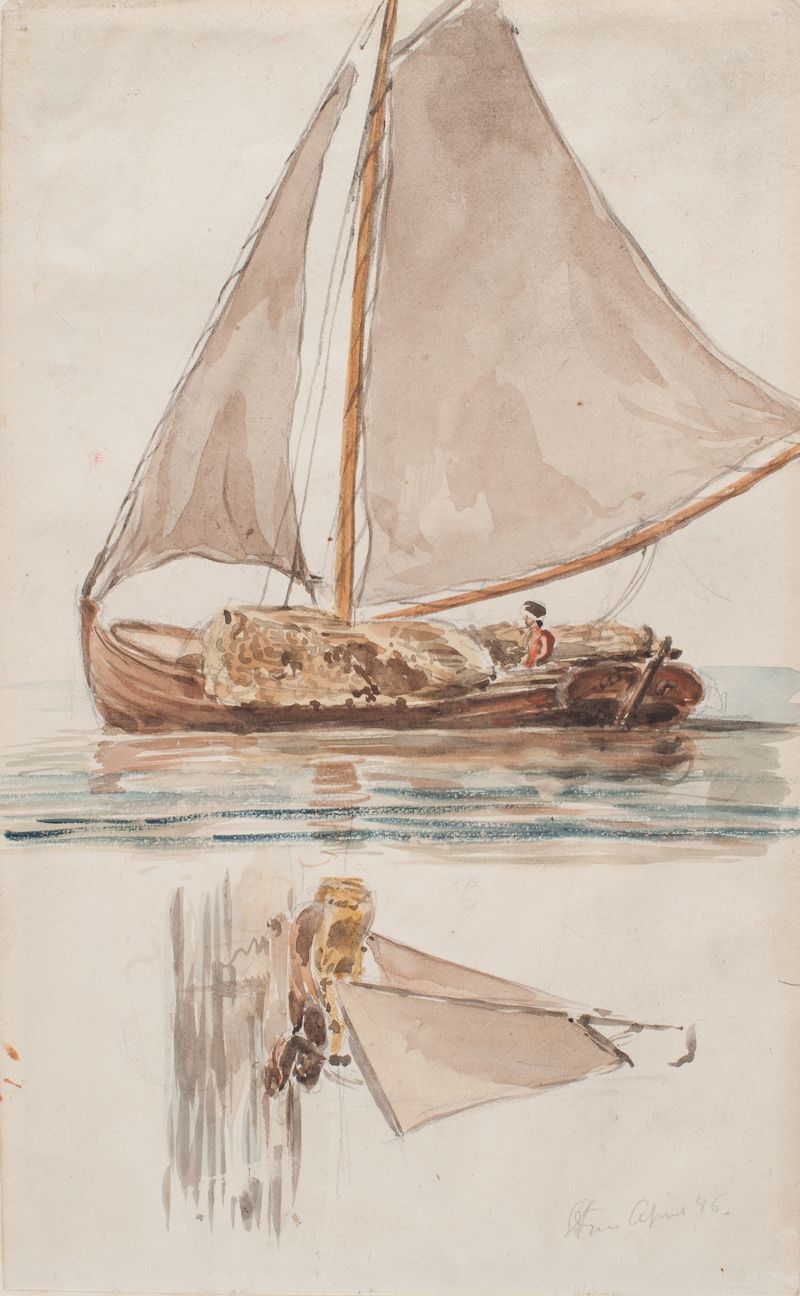
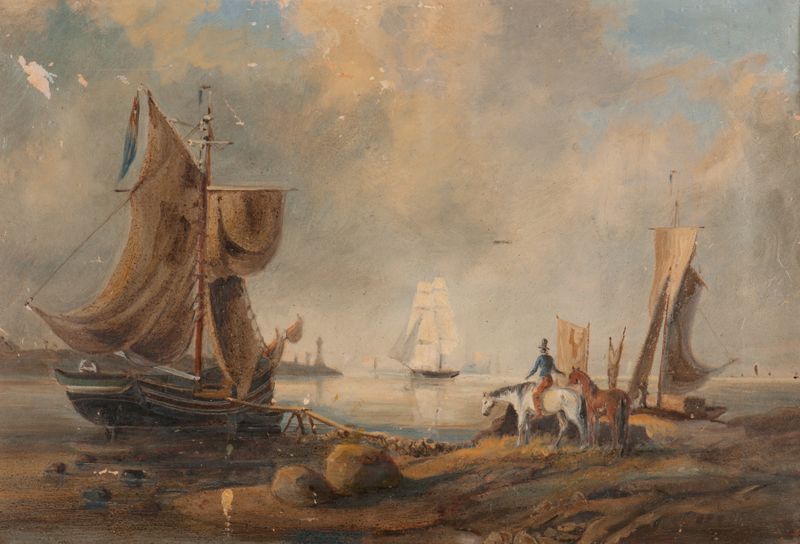
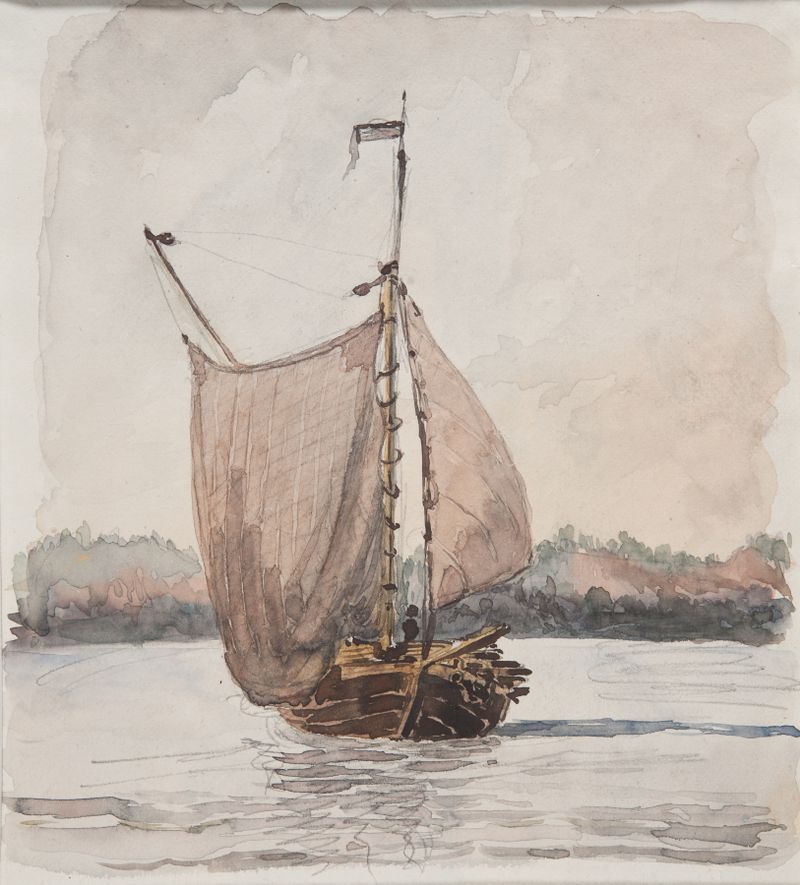
In moments of stillness, the essence of existence can be unveiled, much like the quiet allure of a lakeside scene captured in paint. Focus on the shimmering surface of the water, where light dances playfully, reflecting the soft hues of dawn. The boat, a solitary presence, sits like a sentinel amid nature's undisturbed beauty. Notice how the gentle strokes of the brushwork breathe life into the trees that frame the scene, their verdant green intertwining with hints of blue and gold in the sky.
The tranquil composition invites you to breathe in this serene landscape, creating a palpable sense of peace and introspection. Beneath the calm, a deeper narrative unfolds. The stillness of the lake speaks to the tension between human endeavor and the vastness of nature, highlighting our fragile place within it. The boat, seemingly isolated, represents both adventure and solitude, embodying the duality of exploration and introspection.
The artist's choice of palette evokes a longing for connection, as if the viewer is drawn into a moment of personal revelation amid the tranquility. Bror Jacob Adelborg created Vedskuta på Vänern in 1847, during a period marked by a growing appreciation for landscape painting in Sweden. The artist was influenced by the Romantic movement, which celebrated nature's beauty and the emotional experience it evokes. As he painted this work, Adelborg navigated his own artistic identity, striving to capture the sublime interactions between humanity and the environment in a rapidly changing world.