
Vejen i Granskoven — History & Facts
Could beauty survive in a century of chaos? In a world teetering on the brink of change, nature beckons as a sanctuary, holding secrets within its serene embrace. Focus on the gentle pathway that winds through the dense forest, where dappled sunlight filters through the lush canopy above. Notice how the vibrant greens of the foliage contrast with the subtle earth tones of the path, inviting the viewer to step into a realm of tranquility. The meticulous brushwork captures the delicate interplay of light and shadow, embodying a moment of pure stillness that invites reflection and peace. As you explore further, consider the deeper implications of the journey within this landscape.
The pathway symbolizes a passage not just through the forest, but through life itself, evoking a sense of introspection amid the chaos surrounding Bloch's era. The shadows cast by the trees suggest the weight of history and uncertainty, contrasting with the promise of light ahead. Each brushstroke breathes life into the scene, embodying the duality of beauty and conflict that permeates the human experience. Painted in 1885, this work emerged during a time of significant change in Europe, where the winds of modernity were beginning to reshape society.
Carl Bloch, a prominent Danish artist known for his evocative religious and historical scenes, sought refuge in the tranquility of nature while navigating a rapidly evolving world. His ability to capture the essence of such moments reflects both his personal quest for beauty and the broader artistic movements of his time, as Impressionism began to influence the art landscape across the continent.
More Artworks by Carl Bloch
Browse all →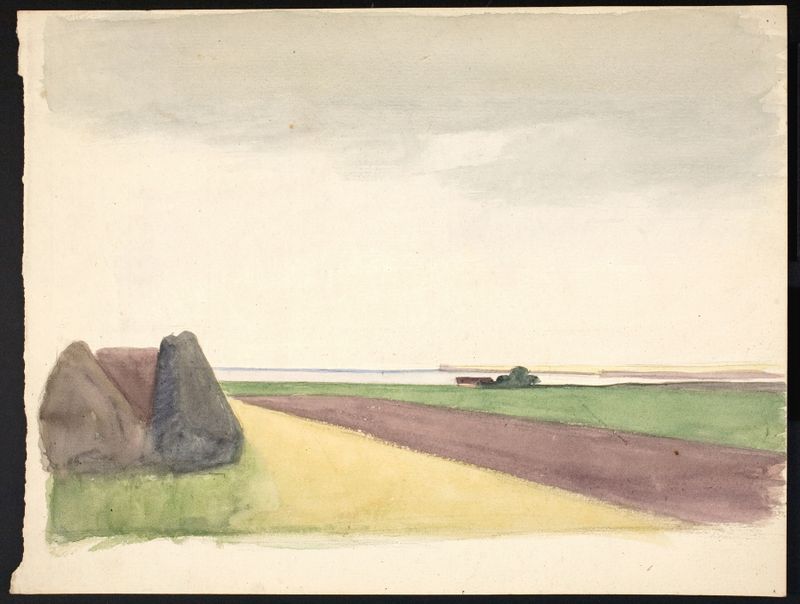
Læsende dame
Carl Bloch
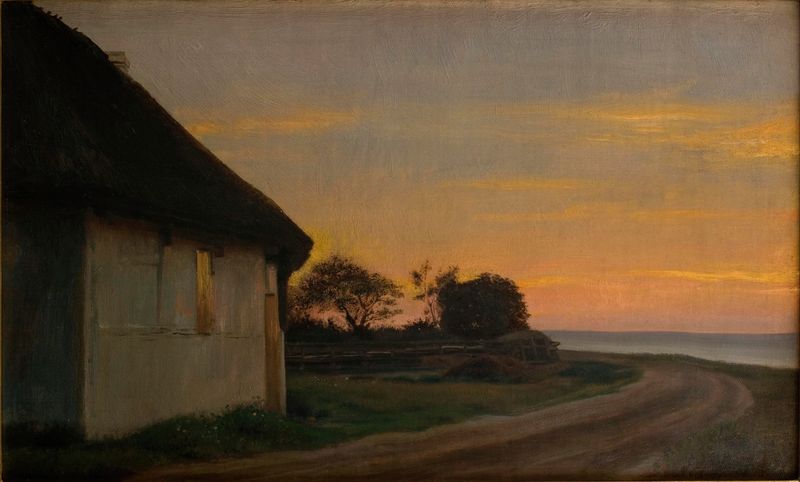
Evening lanscape with a house and garden by the sea. Ellekilde
Carl Bloch
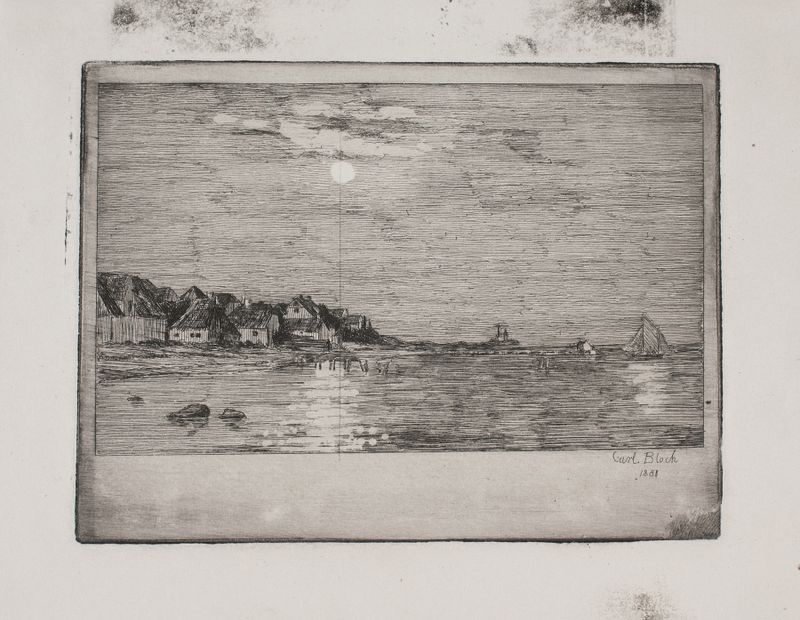
Strandparti ved Hellebæk Måneskin
Carl Bloch
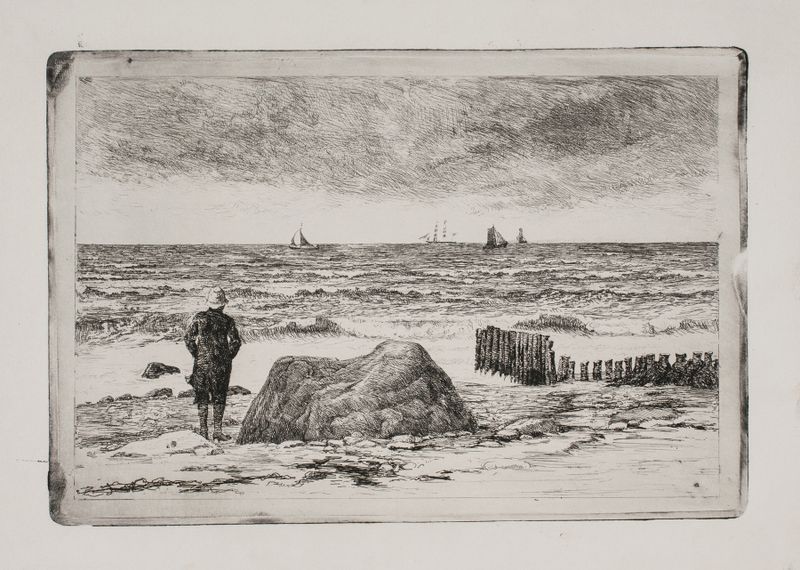
Blæsevejr Søstykke
Carl Bloch
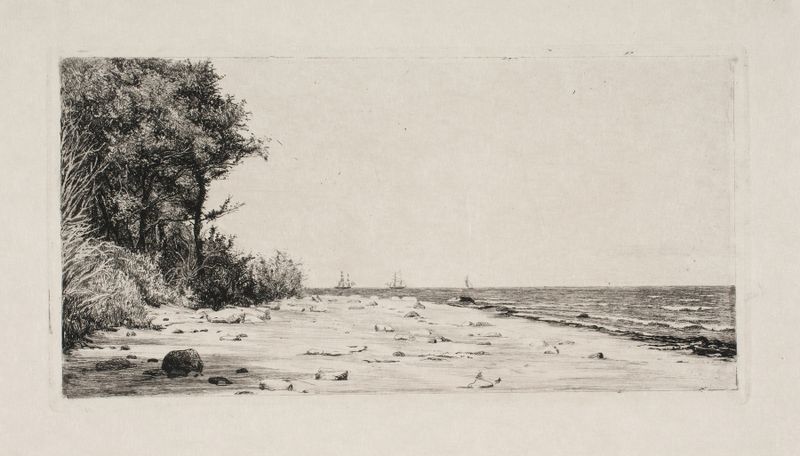
Fra Sjællands nordkyst Hornbækplantagen
Carl Bloch
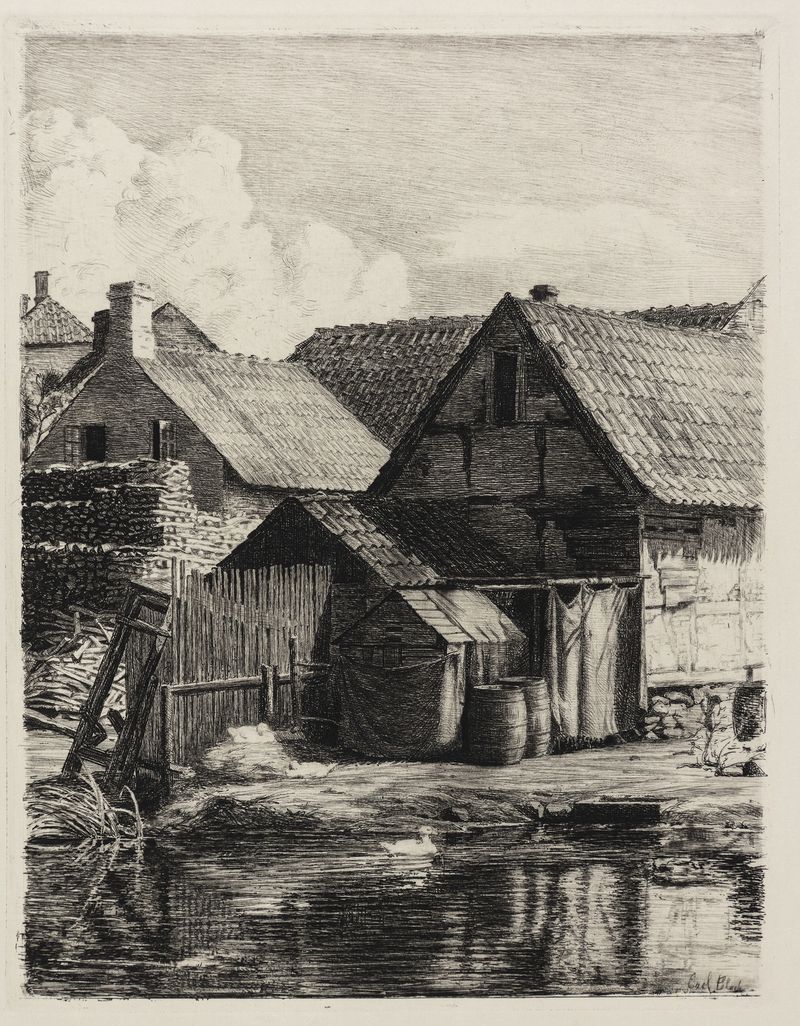
Old houses, from Hellebæk
Carl Bloch
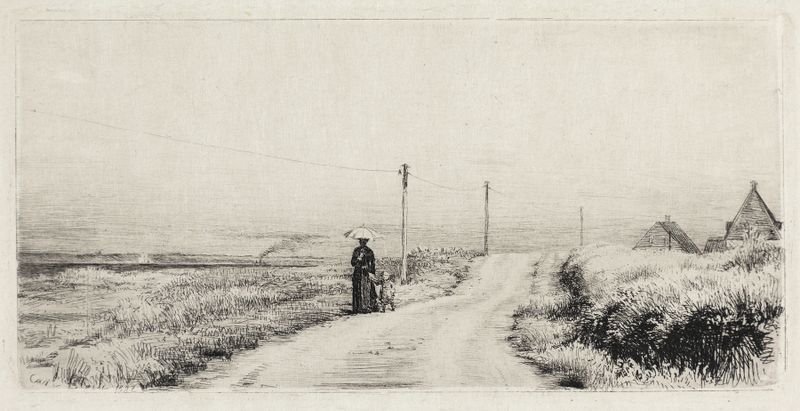
Landevej med spadserende dame Solskinseftermiddag
Carl Bloch
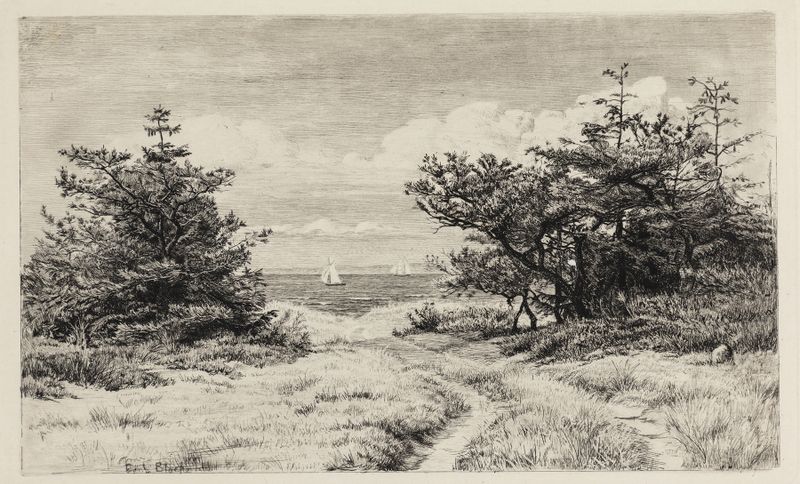
Udsigt til Havet
Carl Bloch
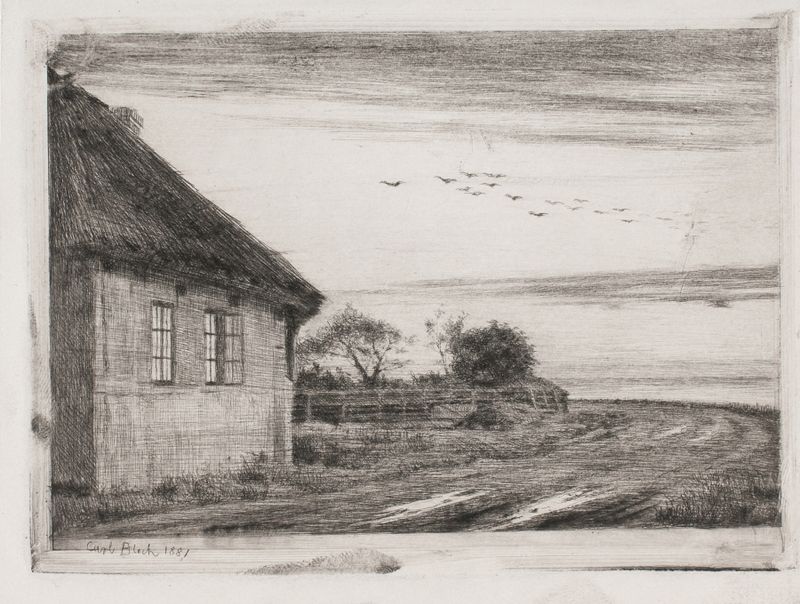
Aftenlandskab fra Hellebæk
Carl Bloch
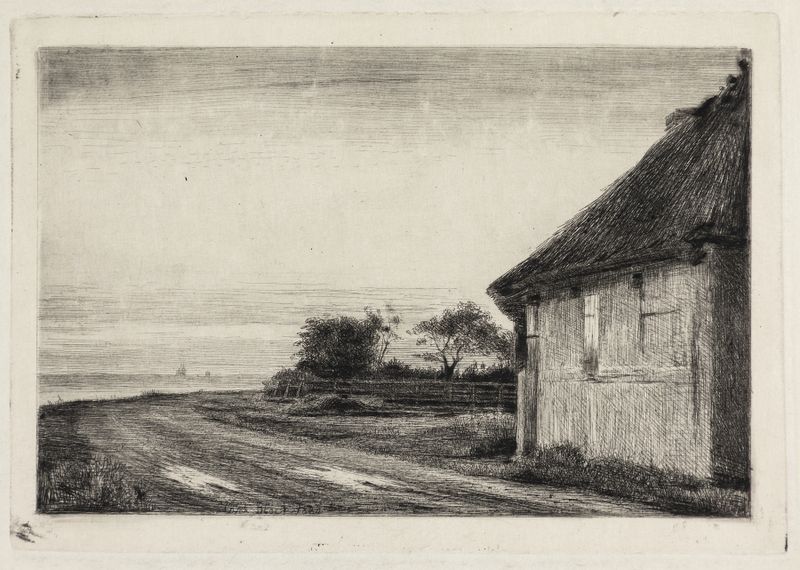
House and garden by the sea
Carl Bloch





