Venice — History & Facts
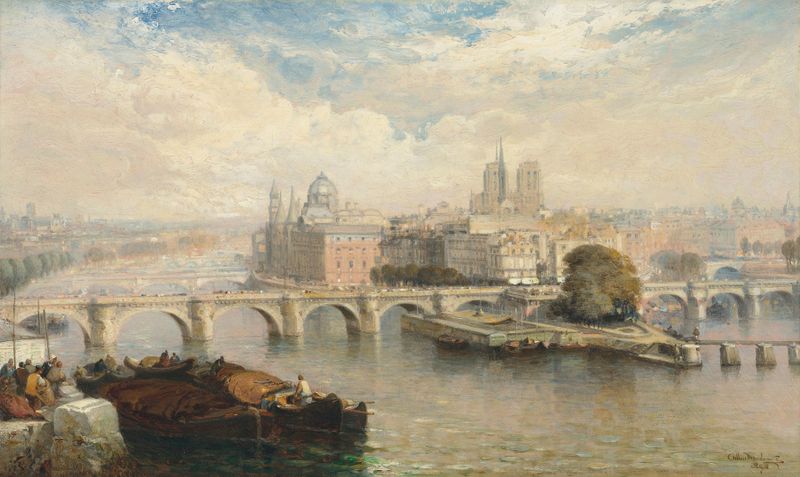
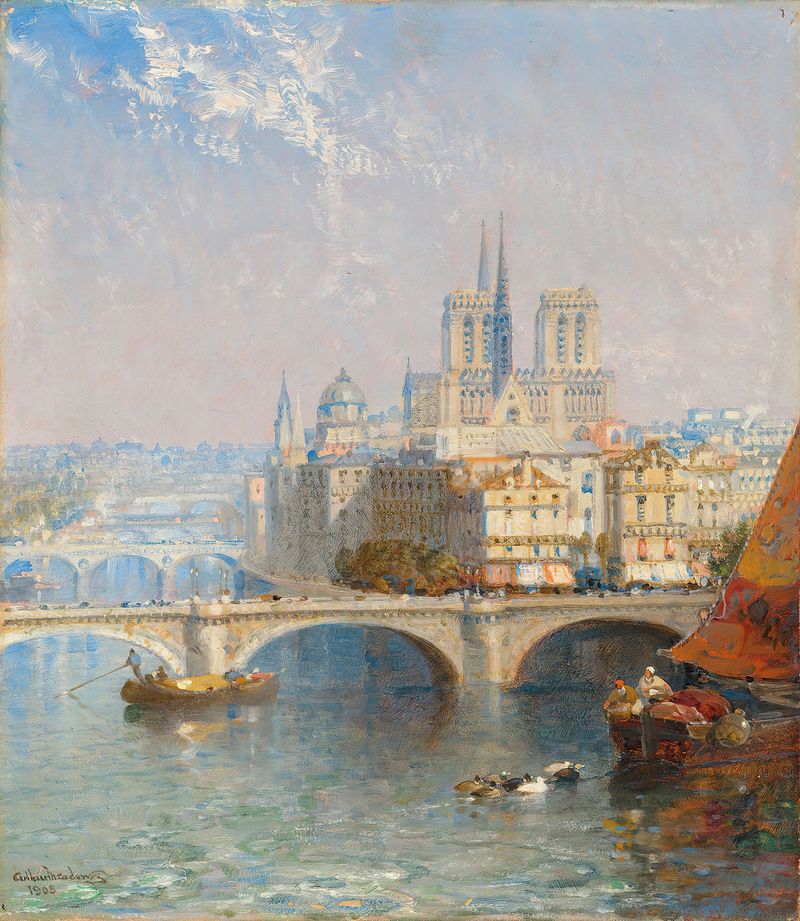
What if silence could speak through light? In the delicate interplay between shadow and illumination, the essence of fragility emerges, a whisper captured on canvas. Look to the foreground where soft, muted colors blend harmoniously. The gentle ripple of the water reflects the architecture above, inviting your gaze to the precise detailing of the buildings. Notice how the warm hues of the sunset bleed into the cool tones of the water, creating a seamless dialogue between earth and sky.
The artist’s brushwork conveys a sense of transient beauty, as if time itself pauses to admire the scene. Delve deeper into the emotional resonance of the piece — the boats anchored gently in the foreground evoke a sense of stillness and contemplation, while the distant architecture symbolizes permanence against the backdrop of life’s fleeting moments. Each stroke captures the melancholy of a city steeped in history, yet alive with the ephemeral nature of its beauty. This contrast between the steadfastness of the buildings and the transient nature of the watercraft amplifies the painting’s emotional core, revealing a world caught between the tangible and the elusive. In 1903, Arthur Joseph Meadows painted this work while immersed in the rich artistic currents of the early 20th century.
Living in England, he was influenced by the Impressionist movement, yet sought to articulate his vision of tranquility through a distinctive lens. The world around him experienced rapid change, yet the tranquility of Venice reflects an enduring allure, reminding viewers of the beauty found in moments of stillness amidst the chaos of life.