Venice Canal (Palazzo Foscari) — History & Facts
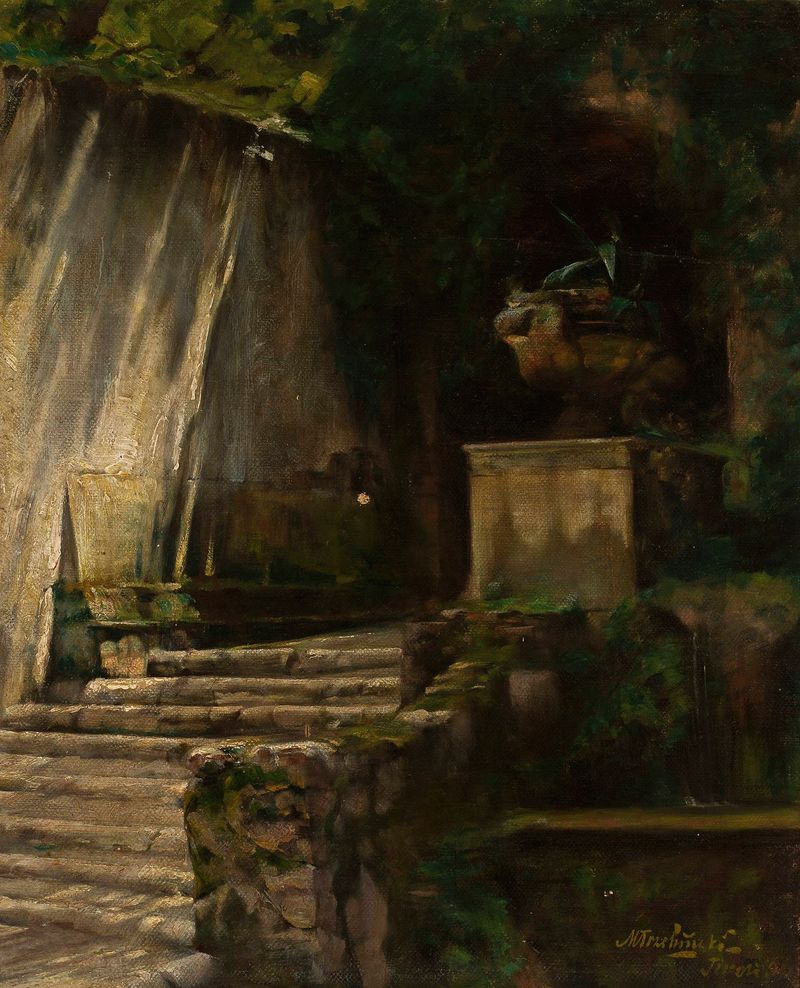
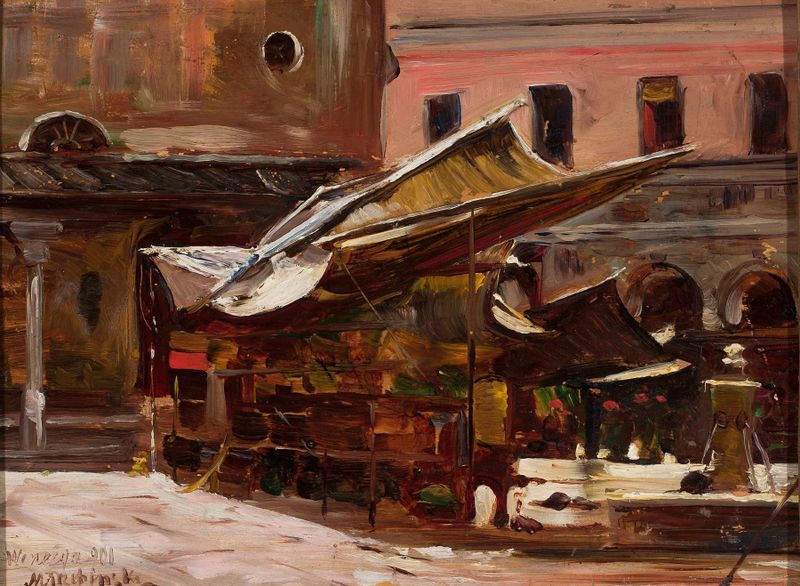
Could beauty survive in a century of chaos? The shimmering reflections on the canal seem to whisper that it can, that in every stroke of paint lies a longing for divinity amidst the turmoil of existence. Look to the left at the Palazzo Foscari, its intricate architecture rising majestically above the tranquil waters. The delicate balance of warm earth tones juxtaposed with cool, tranquil blues beckons the eye, while the precision of the brushwork captures the interplay of light and shadow. Notice how the vibrant colors dance across the surface, echoing a Venetian sunset that imbues the scene with an ethereal glow, inviting a pause in the rush of modernity. Beneath the surface beauty lies a deeper tension, a dialogue between nature and human endeavor.
The stillness of the water serves as a counterpoint to the historical weight of the building, suggesting a fragile harmony between humanity’s creations and the divine presence of the natural world. The gentle ripples reflect not only the architecture but also the fleeting nature of time, urging contemplation of what is enduring and what is ephemeral in life. In 1906, Trzebiński painted this piece during a period of artistic exploration, balancing the romanticism of the past with the emerging modernist movements. Living in Poland, he was influenced by Symbolism and the fascination with the divine, as artists sought to capture transcendent beauty amid societal changes.
This work stands as a testament to his vision, a serene oasis reflecting his aspirations for a world where beauty prevails.