Venice, the Church of San Giuseppe di Castello — History & Facts
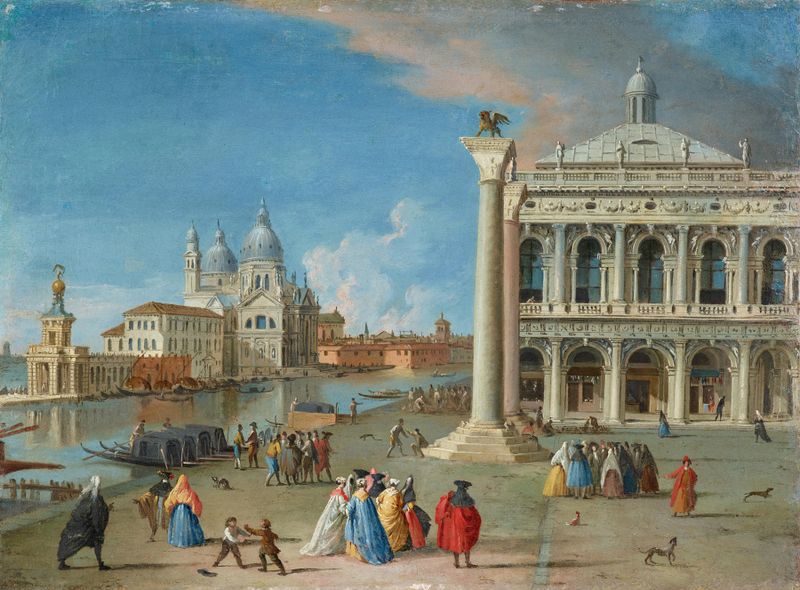
In the languid embrace of twilight, when day surrenders to the allure of night, art breathes life into memories, crafting an exquisite tapestry of moments captured in time. Focus on the lush greens and blues that envelop the foreground, guiding your gaze toward the serene reflection of the church in the canal. The delicate brushwork highlights the intricate details of the architecture, while soft light dances across the water’s surface, creating a sense of tranquility. Notice the gentle juxtaposition of warm sunlight against the cool shadows, illustrating the passage of time and evoking a deeply felt nostalgia. Hidden within the interplay of light and water lies a poignant dialogue of permanence and ephemerality.
The church stands as a steadfast witness to the flowing currents of life, while the ripples hint at the ever-changing nature of existence. Each brushstroke conveys a story, an emotional resonance that invites contemplation on the transient beauty of Venice itself, where history and daily life intertwine seamlessly. Johan Anton Richter created this evocative scene during an era when romanticism in art flourished. In the late 18th to early 19th centuries, he found himself in Venice, a city that inspired countless artists with its enchanting waterways and rich heritage.
The artwork reflects not just Richter's technical prowess but also a collective yearning for connection to the past, a sentiment that echoed through the artistic community of his time.