Venice, the Grand Canal — History & Facts
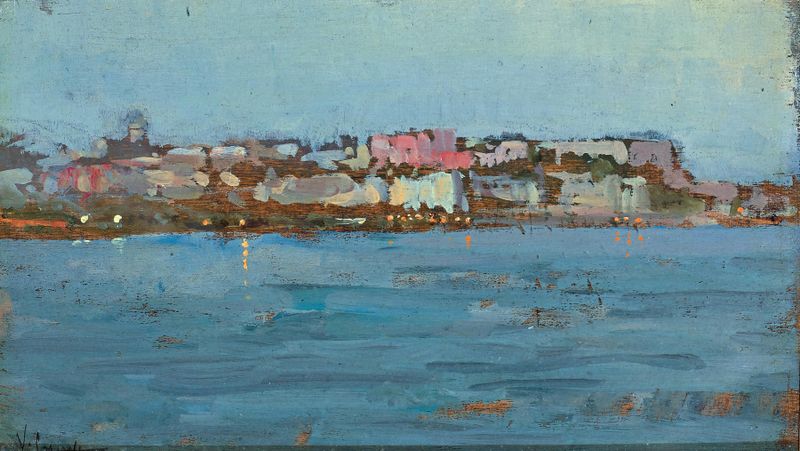
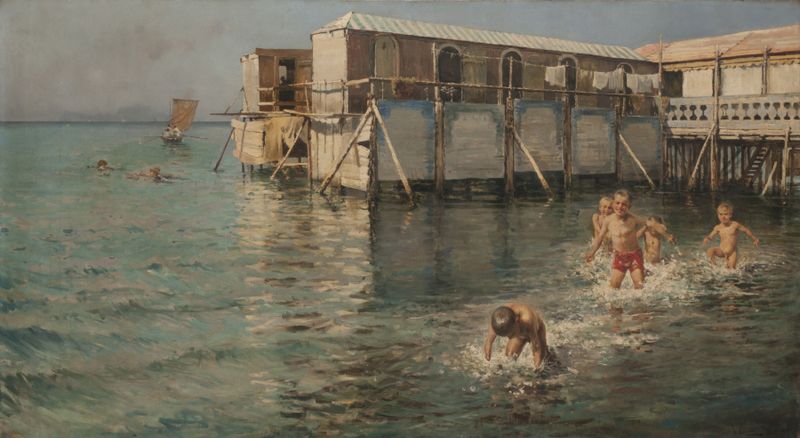
Is this a mirror — or a memory? The reflection of the Grand Canal shimmers like a fleeting thought, beckoning viewers to question the very nature of their perception. Look to the left at the bustling gondolas, their graceful forms woven into the tapestry of the water’s surface. Notice how the light dances across the waves, illuminating the intricate architecture that hugs the canal’s edge, each stroke a deliberate choice by the artist. The palette shifts from warm ochres to cool blues, evoking a sense of serenity that belies the violent undercurrents of life in Venice.
There’s a delicate tension between the vibrancy of the scene and the weight of history that lingers in its depths. In the façade of this picturesque view lies a contrast between beauty and chaos. The water, a mirror of both heaven and hell, captures not just the environment but the violence of human interaction—each gondola a vessel of stories, perhaps tinged with loss or longing. The stillness of the architecture stands in stark opposition to the erratic movements of those traversing the canal, invoking the notion that even in beauty, there exists an unsettling reality.
Each wave whispers of the past, hinting that this idyllic moment is marred by an unspoken struggle. Vincenzo Caprile painted this evocative piece during a period when Venice was caught in the tension between its storied past and a fading grandeur. The exact date remains uncertain, but it reflects an era when the city was grappling with modernity while clinging to its rich heritage. As the world of art shifted towards impressionism and capturing fleeting moments, this work stands as a dialogue between the past and the changes that were sweeping over Europe at the time.