
Venice, View of the Doge’s Palace and St. Mark’s Square — History & Facts
Could a single brushstroke hold eternity? In the delicate world captured by Ferdinand Lepie, the vibrancy of Venice’s history and the pulse of revolution resonate powerfully. Look to the left at the intricate facade of the Doge’s Palace, where soft hues of orange and pink merge in a harmonious dance with the cool blues of the canal. The sunlight, filtered through the wisps of clouds, illuminates the scene, casting a warm glow that enhances the richness of the architecture and the tranquility of the square. Notice the careful brushwork that defines the shadows and highlights, allowing the viewer to trace the contours of the grand structures and the lively figures milling about, each one bringing life to this historic moment. Beneath the surface of this picturesque scene lies a tension rooted in change.
The bustling figures, seemingly engaged in ordinary activities, reflect a society at the cusp of transformation; the air is thick with anticipation. The contrast between the serene architecture and the dynamic energy of the people hints at the impending societal shifts that Venice would face. The palette speaks to both the beauty of the past and the turbulence that often accompanies revolution, inviting deeper contemplation of these themes. In 1861, while painting this piece, Lepie found himself immersed in a Europe grappling with political upheaval.
The unification of Italy was underway, a time when traditional structures were challenged, and the cultural landscape was shifting. Working in Venice during this tumultuous period, he sought to encapsulate not only the city's grandeur but also the underlying currents of change, creating a work that resonates with both historical significance and timeless beauty.
More Artworks by Ferdinand Lepie
Browse all →
Blick auf Ischl und die Kaiservilla
Ferdinand Lepie

Der Altstädter Ring in Prag
Ferdinand Lepie

View of Naples with Vesuvius in the background
Ferdinand Lepie

A View of Gmunden on Lake Traunsee
Ferdinand Lepie
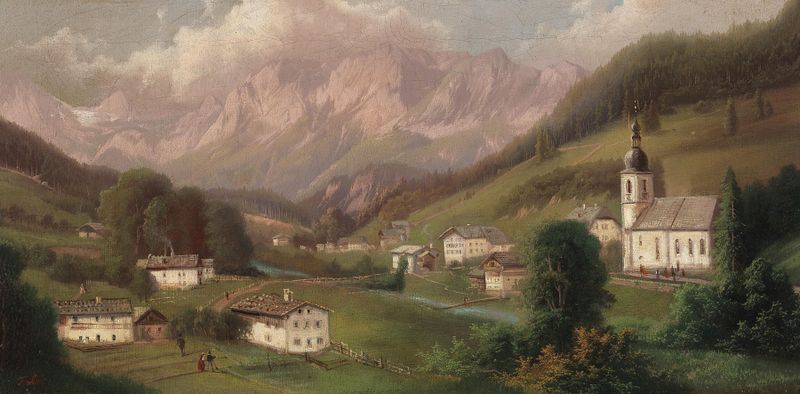
Dorf in den Alpen
Ferdinand Lepie
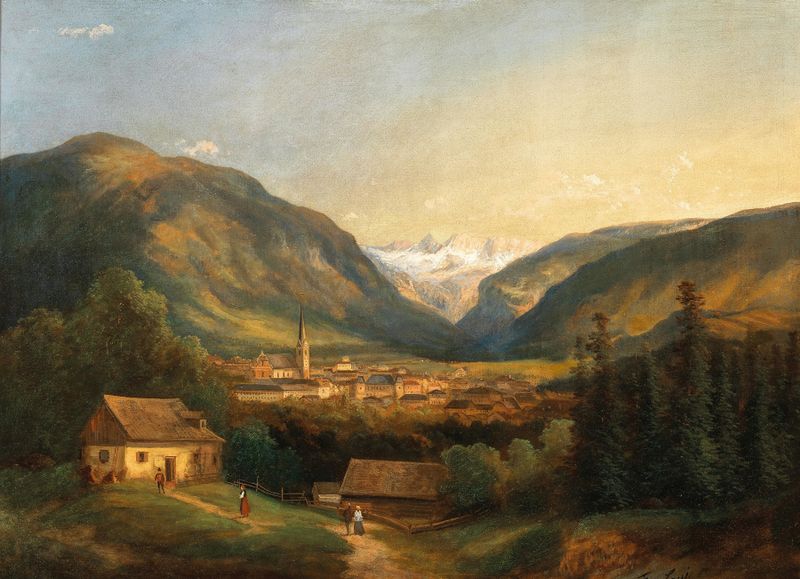
A View of Bad Ischl
Ferdinand Lepie

View of Gmunden and Schloss Ort
Ferdinand Lepie
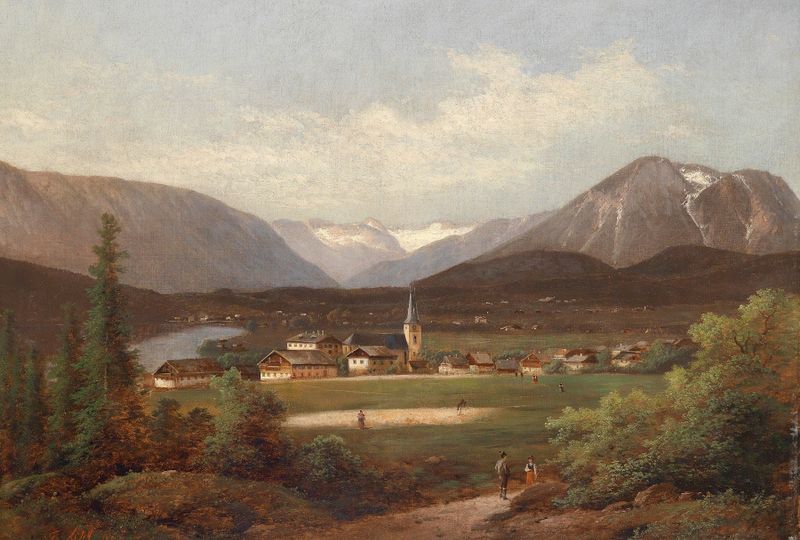
Blick über den Altausseersee
Ferdinand Lepie
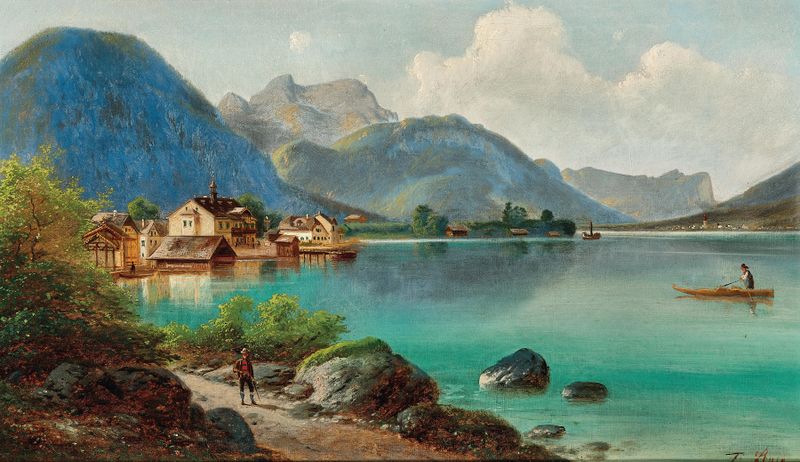
Blick auf Weissenbach am Attersee
Ferdinand Lepie
Blick auf Gmunden
Ferdinand Lepie





