Venise — History & Facts
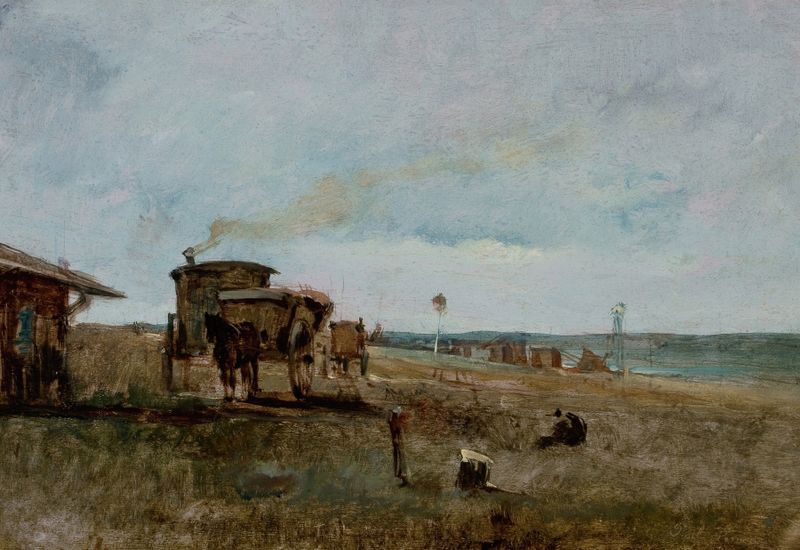
What secret hides in the quiet of the canvas? Beneath the surface of shimmering water and gentle brushstrokes lies a deep longing that beckons the viewer to explore the unknown depths of desire. Look to the left at the tranquil canal, where the soft reflection of the pastel-colored buildings dances on the water's surface. Notice how the light falls upon the charming architecture, illuminating their delicate details while casting a subtle shadow that suggests the passage of time. The warm hues of peach and gold create an inviting atmosphere, contrasting with the cool blues that evoke the peacefulness of early morning in Venice.
The composition draws the eye along the waterway, guiding us deeper into this serene yet enigmatic scene. As you immerse yourself in the painting, consider the unseen stories behind the soft ripples of water and the figures discreetly positioned along the banks. Each element – from the lapping waves to the distant gondola – resonates with an unspoken yearning, a desire that lingers just beyond the frame. This interplay of stillness and movement reflects both a personal and collective longing, inviting contemplation of what lies beneath the surface of everyday life. Paul Vernon painted this work in 1884 during a time when Venice was a subject of fascination among artists.
Living in a period marked by rapid change and modernity, Vernon captured the essence of the city's beauty while hinting at the nostalgia for a romantic past. This artwork emerges from an era where the allure of the exotic ignited the imagination, and it stands as a testament to the artist's pursuit of capturing fleeting moments that stir the soul.