
Verfallener Friedhof in Goisern — History & Facts
Could a single brushstroke hold eternity? In Verfallener Friedhof in Goisern, a melancholic stillness envelops the viewer, whispering the weight of loss and remembrance in each delicate stroke. Start your journey by directing your gaze to the tender interplay of light and shadow that cascades across the crumbling gravestones, each etched with whispers of forgotten names. Notice how the muted palette of earth tones harmonizes with the gentle greens, embodying the passage of time while inviting the viewer to reflect on the beauty of decay. The composition, crafted with a slight incline, draws the eye upward toward the overhanging trees, creating a sense of enclosure and intimacy, as if nature is cradling the memories held within the cemetery. There is a poignant contrast between the vibrant foliage and the weathered stones, symbolizing the bittersweet relationship between life and death.
The dappled light filtering through the branches serves as a metaphor for hope amidst sorrow, suggesting that even in loss, there is a lingering vitality. Small details, like a withering flower or the intricate carvings on a gravestone, evoke stories that resonate deeply, reminding us of the impermanence of existence and the fragility of our connections. Created in 1887, Verfallener Friedhof in Goisern reflects the artist’s engagement with nature and her profound sensitivity to themes of mortality. At this time in her life, Olga Wisinger-Florian was establishing her reputation as a skilled painter in Austria, influenced by the burgeoning movements of Impressionism.
The societal shifts of the late 19th century, with their exploration of individuality and emotion, undoubtedly informed her poignant exploration of loss in this evocative piece.
More Artworks by Olga Wisinger-Florian
Browse all →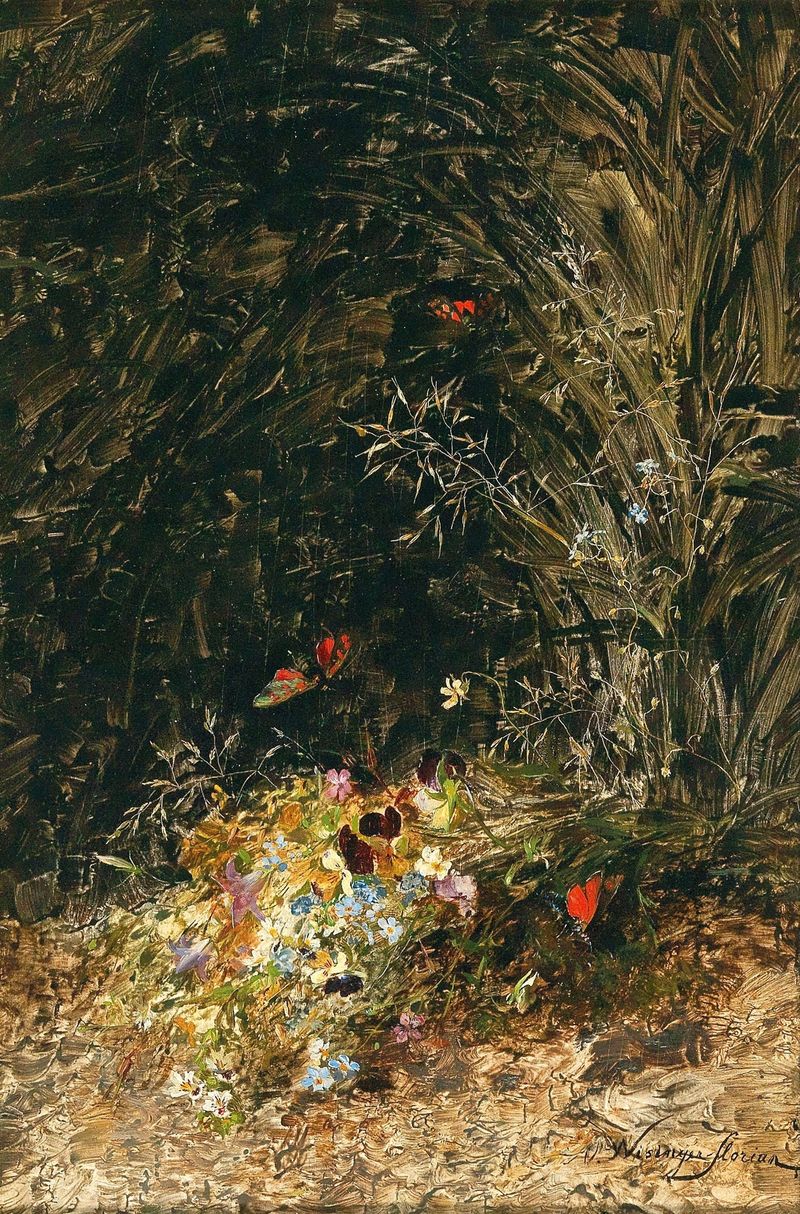
A bouquet of wildflowers
Olga Wisinger-Florian

Aulandschaft
Olga Wisinger-Florian

On the North Sea
Olga Wisinger-Florian
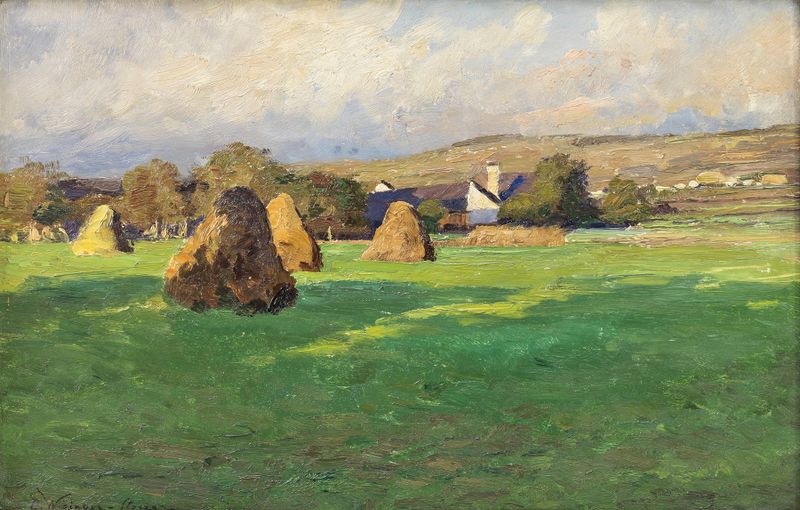
Abendliche Sommerlandschaft mit Strohmandeln
Olga Wisinger-Florian
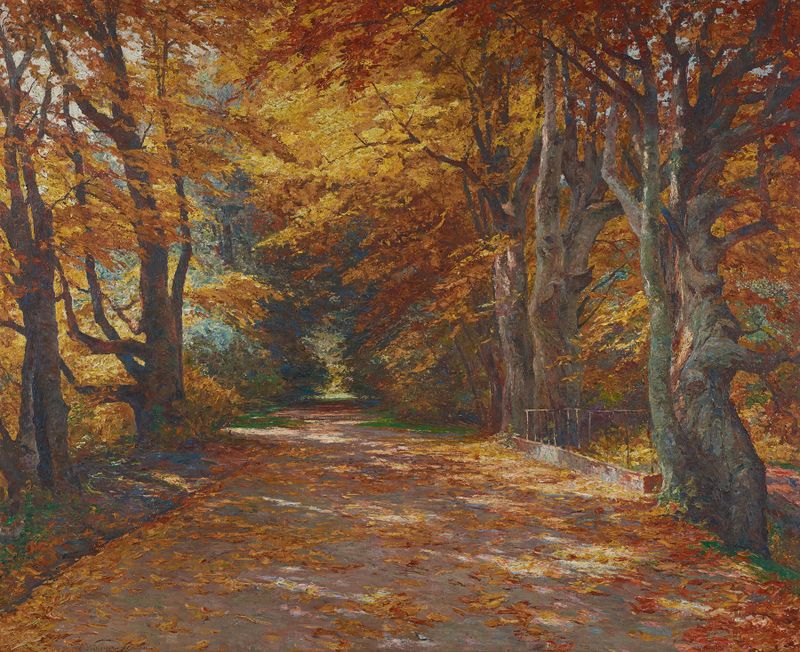
Praterallee im Herbst Herbstliche Allee
Olga Wisinger-Florian
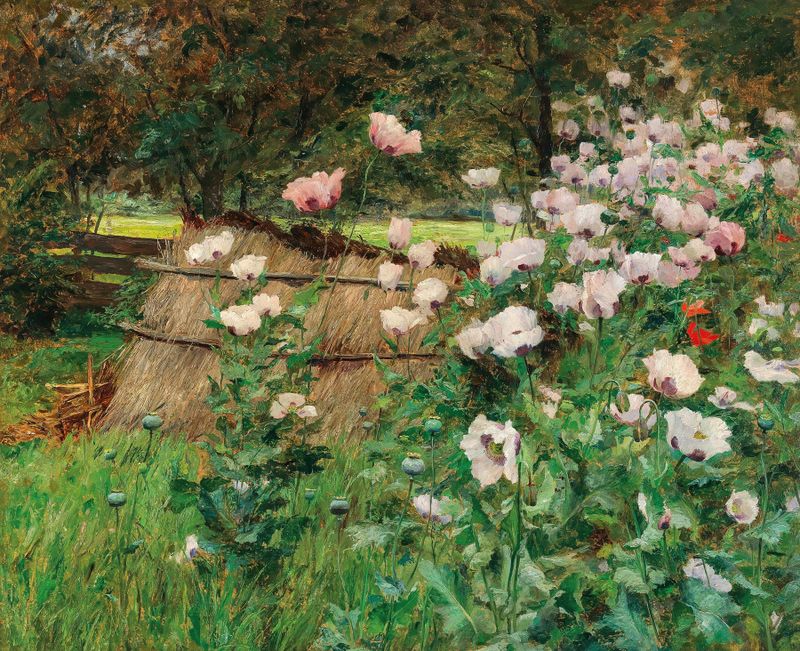
Im Bauerngarten
Olga Wisinger-Florian

Parklandschaft
Olga Wisinger-Florian
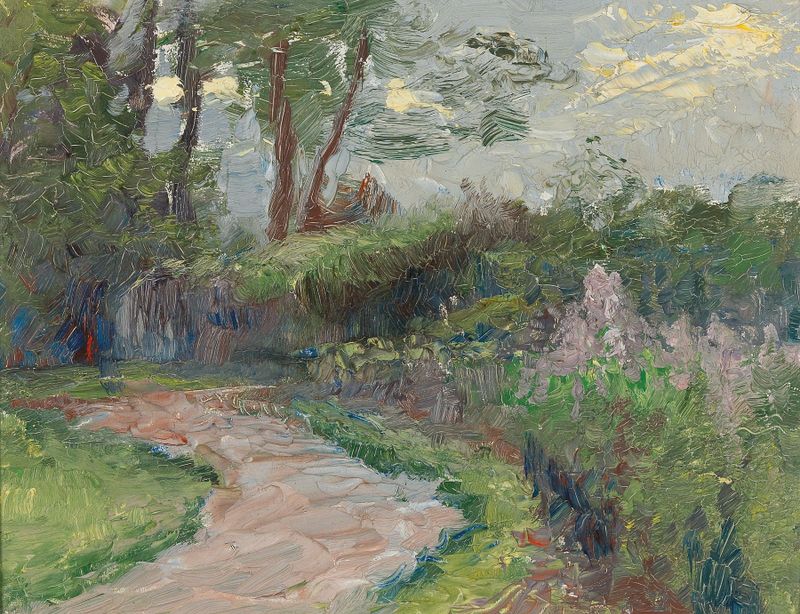
Path in the Park
Olga Wisinger-Florian

Abend
Olga Wisinger-Florian
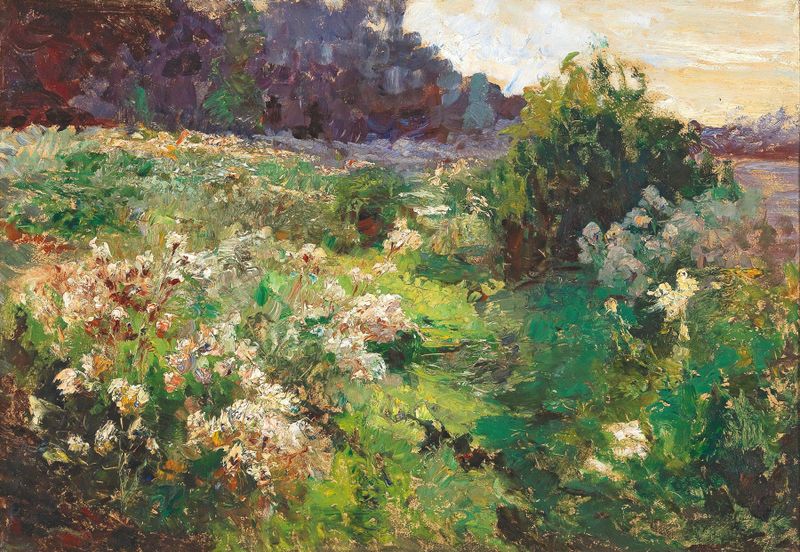
Meadow
Olga Wisinger-Florian





