
Verschneite Dorflandschaft — History & Facts
Who listens when art speaks of silence? In the delicate expanse of Verschneite Dorflandschaft, the illusion of tranquility envelops viewers, inviting them to step into a world softened by snow. Look to the foreground, where the billowing white blankets the village, each stroke of paint meticulously defining the contours of the rooftops and trees. The cool palette of blues and whites evokes a serene stillness, while the subtle shadows hint at the intricate details hidden beneath the snow. Notice how the soft light filters across the canvas, creating a glistening effect that draws your eye upward, guiding you through the meandering pathways towards the distant horizon. Within this tranquil scene lies a contrast between the warmth of human habitation and the cold embrace of winter.
The small, clustered homes hint at life, yet they stand almost ghost-like, whispering of stories untold, dreams buried beneath the snow. This interplay of presence and absence speaks to the fragility of existence, urging us to reflect on the quiet moments that shape our lives, much like the fleeting serenity depicted on the canvas. Anton Doll painted Verschneite Dorflandschaft at a time when the Romantic movement was inspiring artists to explore nature and emotion. His work, created in the late 19th century, reflects a period where nature was revered, and landscapes served as a mirror to the human soul.
Amidst this cultural shift, Doll sought to capture the dichotomy between the beauty of the winter landscape and the silence that surrounds it, embodying the ethereal and the tangible in a single frame.
More Artworks by Anton Doll
Browse all →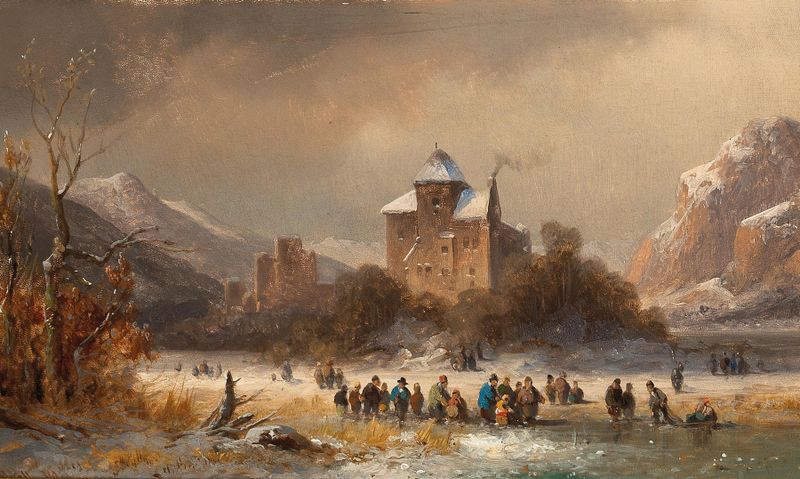
Ruine Kropfsberg und Schloß Lichtwert
Anton Doll
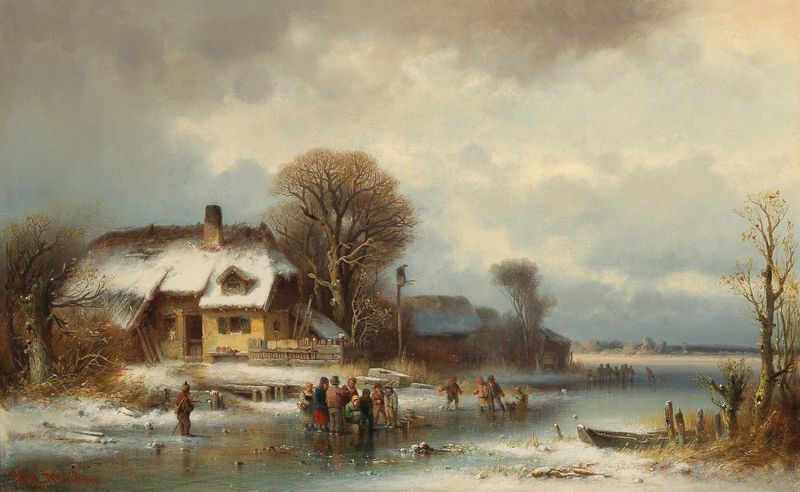
Winter Landscape With Ice Skaters
Anton Doll

Winter Amusements With A Town In The Background
Anton Doll
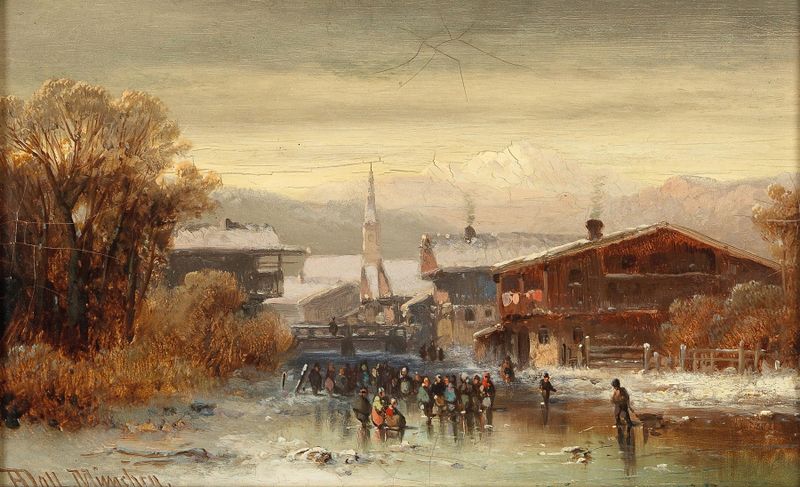
View Of Hardt On Lake Constance
Anton Doll
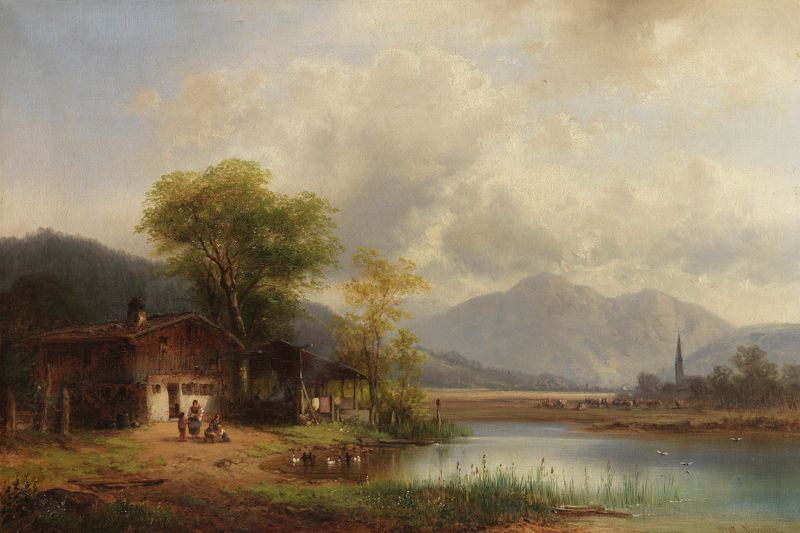
Oberbayerische Landschaft mit Waschhaus am See
Anton Doll
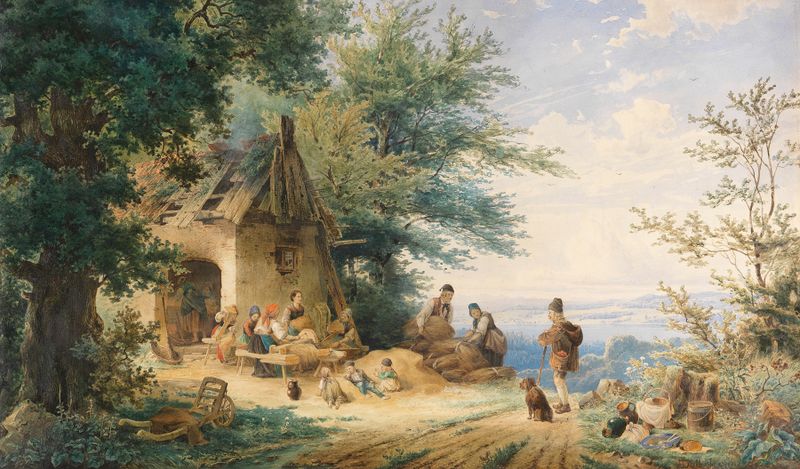
Sommerliche Landschaft mit Bauern bei der Flachsverarbeitung
Anton Doll

Wintervergnügen
Anton Doll
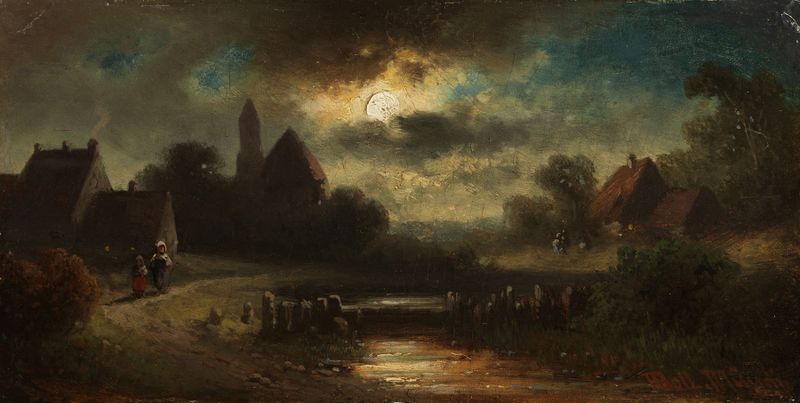
Dorfansicht in der Abenddämmerung
Anton Doll

Winterliche Flusslandschaft mit figürlicher Staffage
Anton Doll
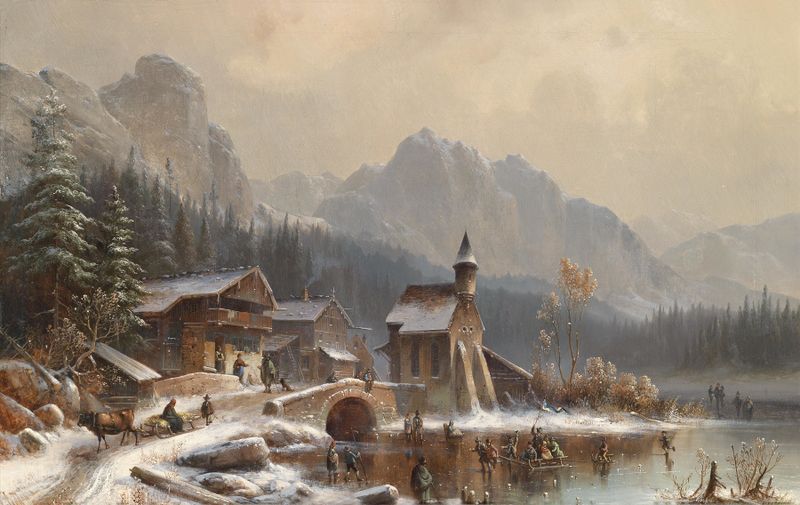
Wintervergnügen
Anton Doll





