
View of Baron Hill, Anglesey, Wales — History & Facts
Could beauty survive in a century of chaos? In the quiet embrace of nature, we find not just serenity but also a glimpse of divinity, a testament to art's enduring power. Focus on the lush green slopes that cradle the horizon, where gentle undulations lead the eye to the towering trees, standing as silent sentinels over the landscape. Notice how the light dances across the water, reflecting a soft azure, while wisps of clouds weave through a sky that seems to cradle the earth. Each brushstroke is deliberate, capturing the essence of a tranquil moment, inviting contemplation. In this serene vista, contrasts emerge as shadows play beside light, hinting at the dual nature of existence.
The vibrant greens symbolize life and growth, while the calm water suggests stillness and reflection. The delicate interplay between the architecture of the distant building and the natural landscape evokes a tension between humanity and nature, a reminder of our fragile coexistence. Here, Griffith captures not only the visual splendor of Anglesey but also a deeper yearning for harmony amidst the upheaval of the 18th century. Created in 1776, this work emerged during a period of significant transition in both Griffith's life and the broader world of art.
As an assistant to the renowned artist Thomas Jones, Griffith was forging his own path while England faced political and social unrest. During this time, the shift towards Romanticism began to flourish, redefining artistic expression and heightening the appreciation for nature's beauty, which is poignantly encapsulated in this landscape.
More Artworks by Moses Griffith
Browse all →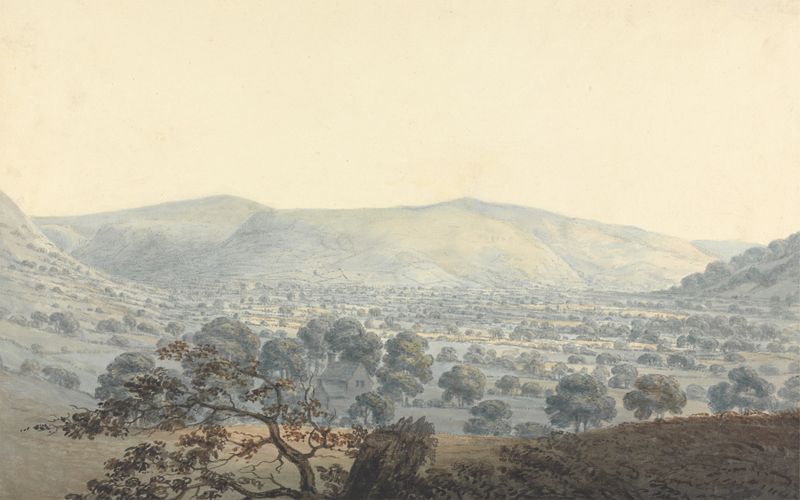
Distant view of Llandrillo
Moses Griffith

View of Erthig, Denbigshire, Wales.
Moses Griffith
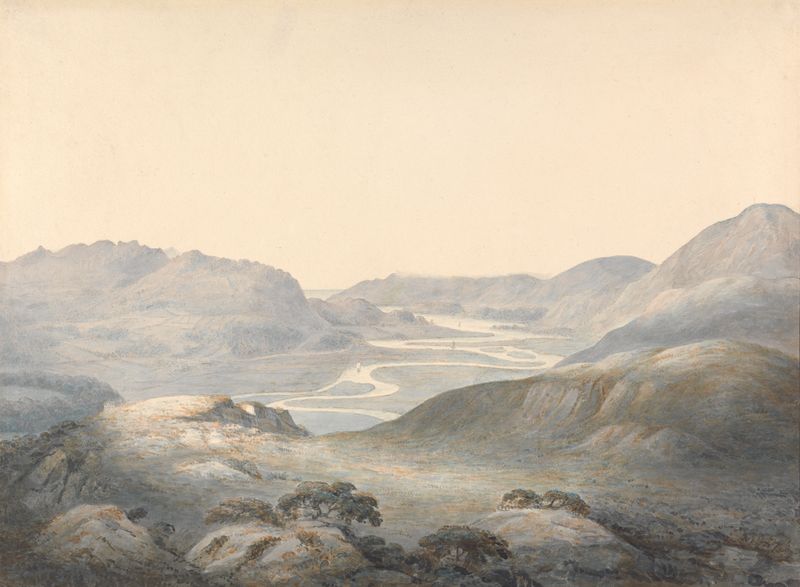
Barmouth Bay, the Junction of the Rivers Mowddach and Gwinion
Moses Griffith

The Beautiful Vale and Mowddach River, Merionethshire
Moses Griffith
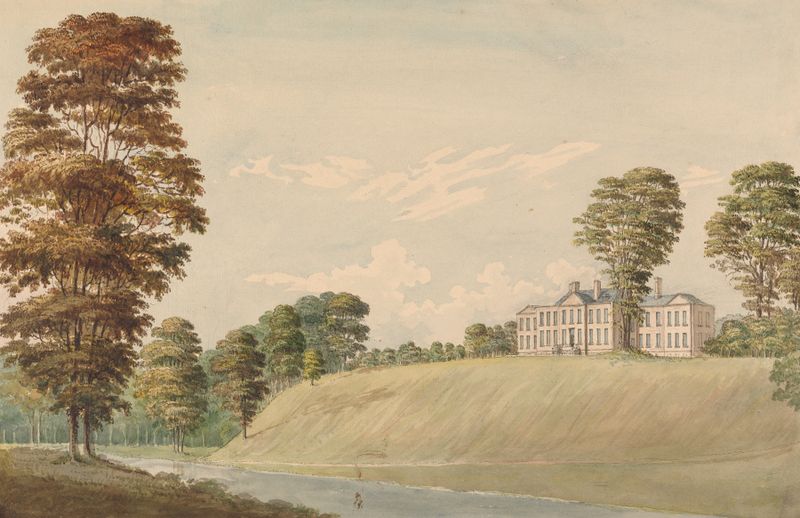
View of Erthig, Denbigshire, Wales
Moses Griffith
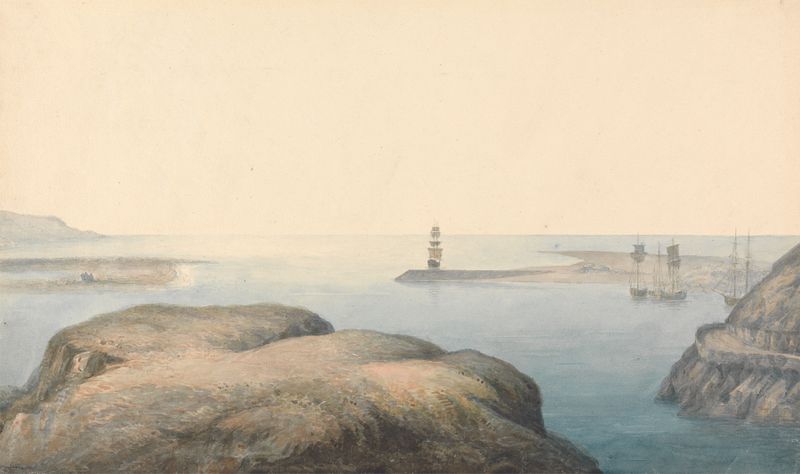
Barmouth Bay
Moses Griffith
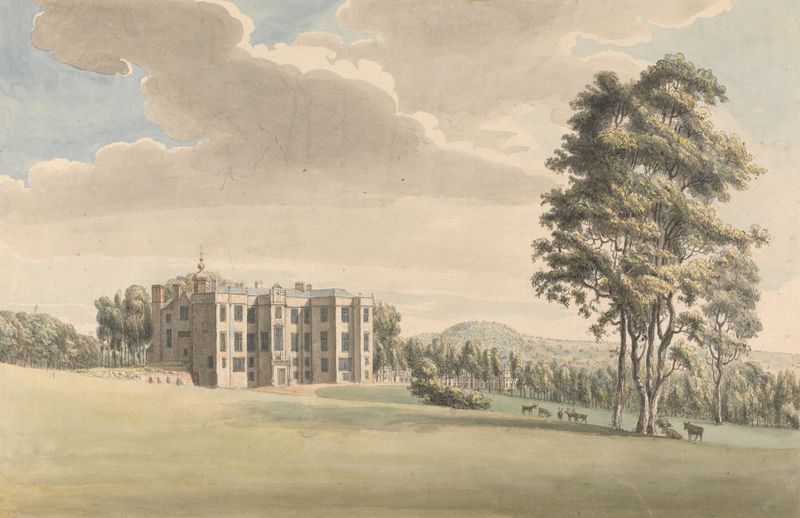
Beaudesert, Staffordshire
Moses Griffith
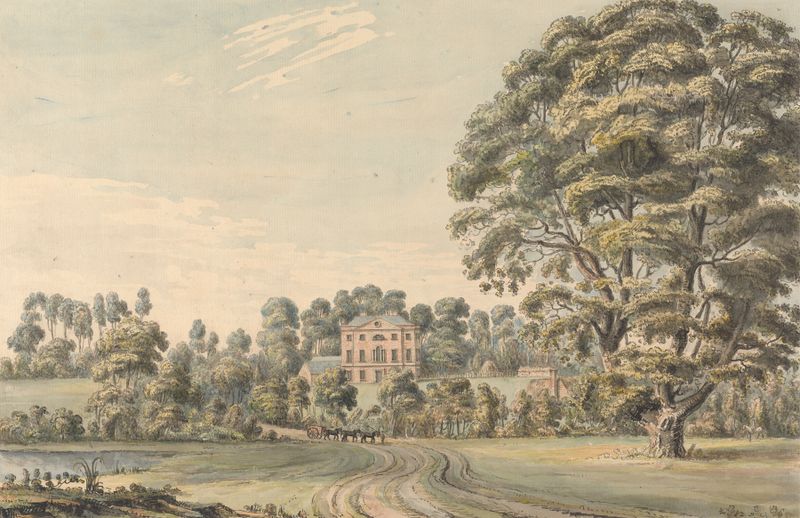
Bevere House near North Claines, Worcestershire
Moses Griffith





