View of Cambridge from the Inner Basin — History & Facts
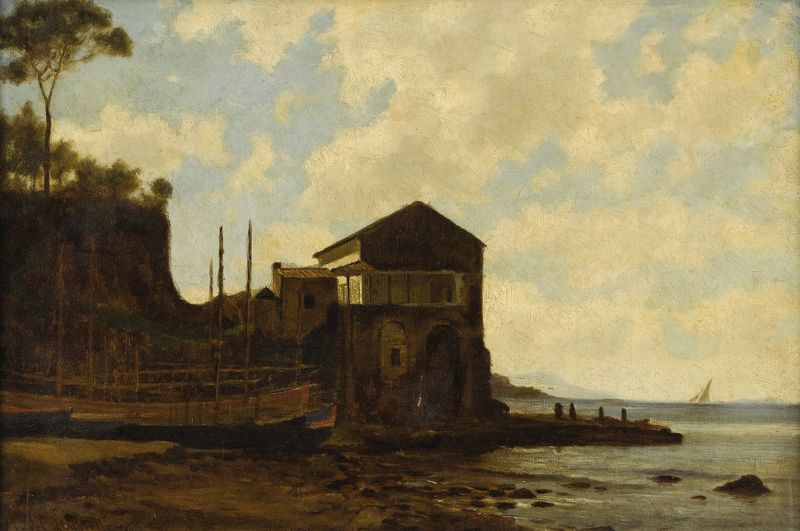
In View of Cambridge from the Inner Basin, the delicate interplay of light and shadow suggests an awakening — one that marries tranquility with an undercurrent of longing. Look to the center, where the water of the Inner Basin reflects the soft hues of dawn. Light spills over the surface, illuminating the silhouettes of boats that float lazily, their stillness contrasting with the vibrant sky painted in warm oranges and cool blues. Notice how the artist employs a gentle brushwork that gives life to the landscape, inviting the viewer to linger in this serene moment.
The softly blended colors create a sense of harmony, while the distant spires of Cambridge rise, hinting at the intellectual pursuits taking place just beyond the canvas. Beneath its peaceful exterior lies a narrative of dichotomy. The effulgent morning sky symbolizes hope and renewal, yet the quietness of the scene evokes solitude. The boats, while seemingly idle, suggest a desire for exploration, mirroring the tension between the comforts of home and the pull of adventure.
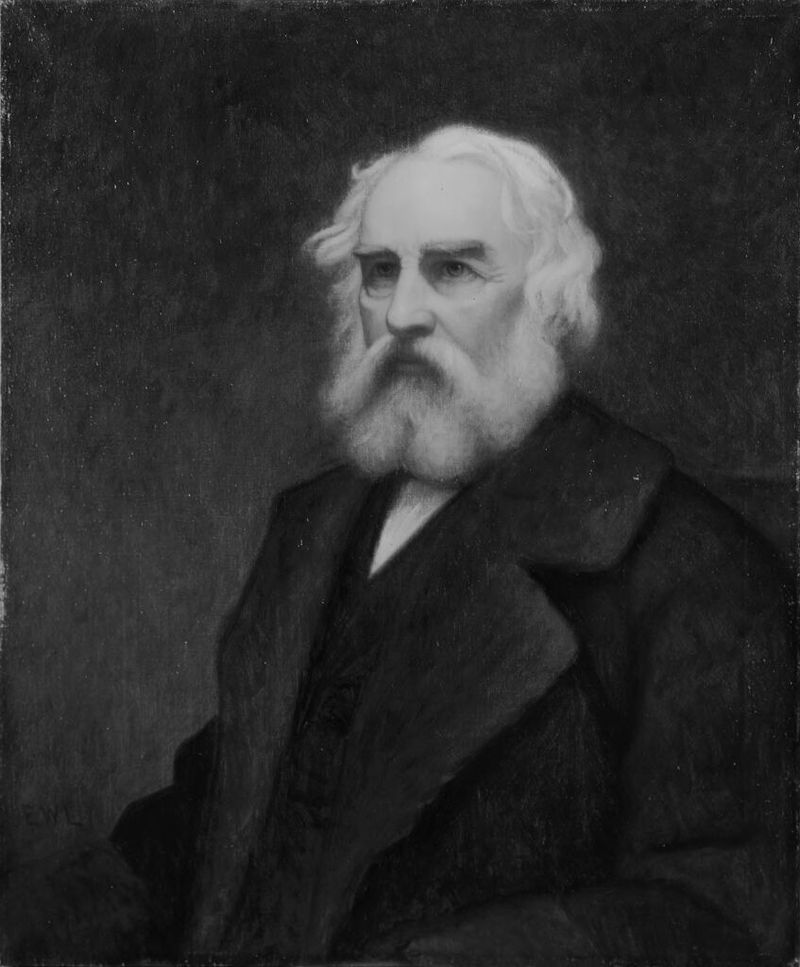
Each stroke invites contemplation, allowing the viewer to feel the weight of the past while embracing the promise of the future. In 1880, when this piece was created, the artist was immersed in the vibrant culture of Cambridge, Massachusetts, a hub of creativity and intellectualism. During this period, Longfellow was exploring the depths of landscape painting, influenced by both Impressionism and the Romantic tradition. The fusion of these styles reflects both his personal journey and the broader evolution in the art world, encapsulating a moment steeped in awakening and transition.